

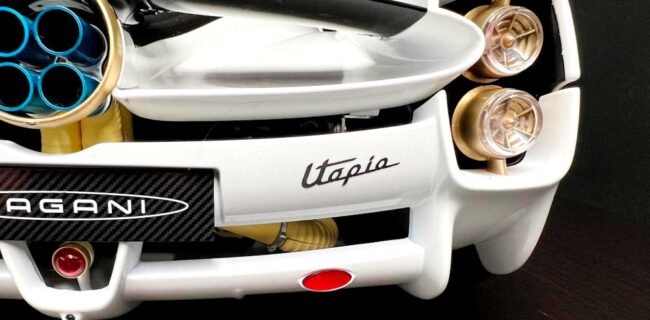
The Pocher Pagani Utopia is one of the most ambitious large-scale model kits on the market. With more than 556 individual parts, die-cast metal body panels, an exquisitely detailed twin-turbo V12 engine, and a finished length of approximately 60 cm, it promises an experience that sits somewhere between model building and automotive craftsmanship. On paper, it has all the ingredients of a dream project for collectors and enthusiasts. In reality, however, the ownership experience can be far more complicated.
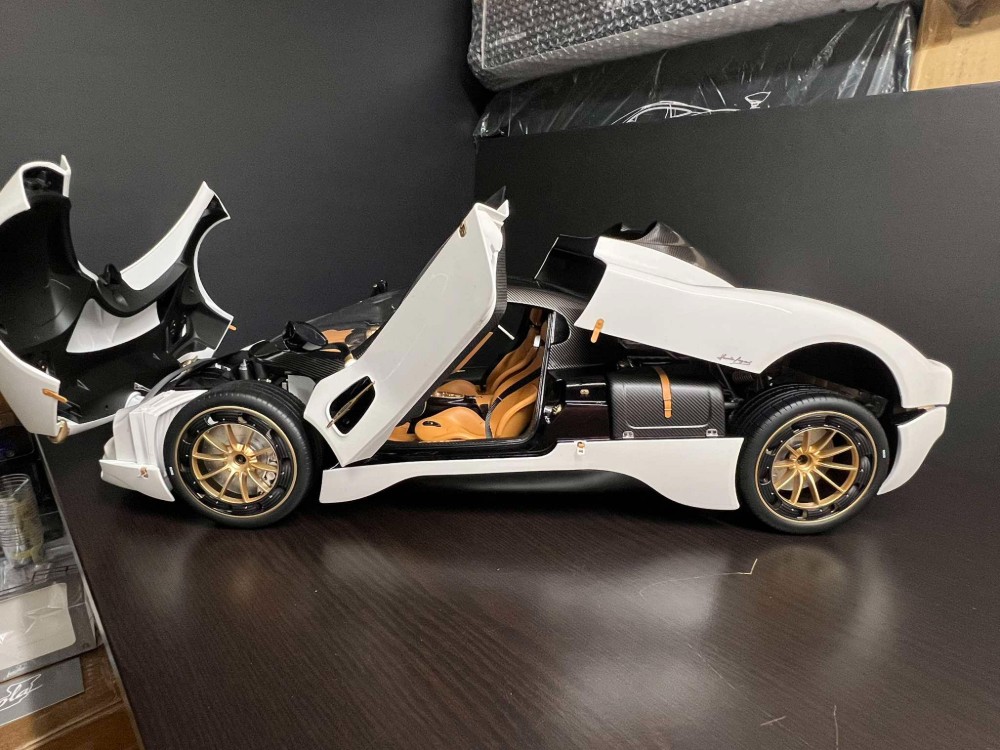
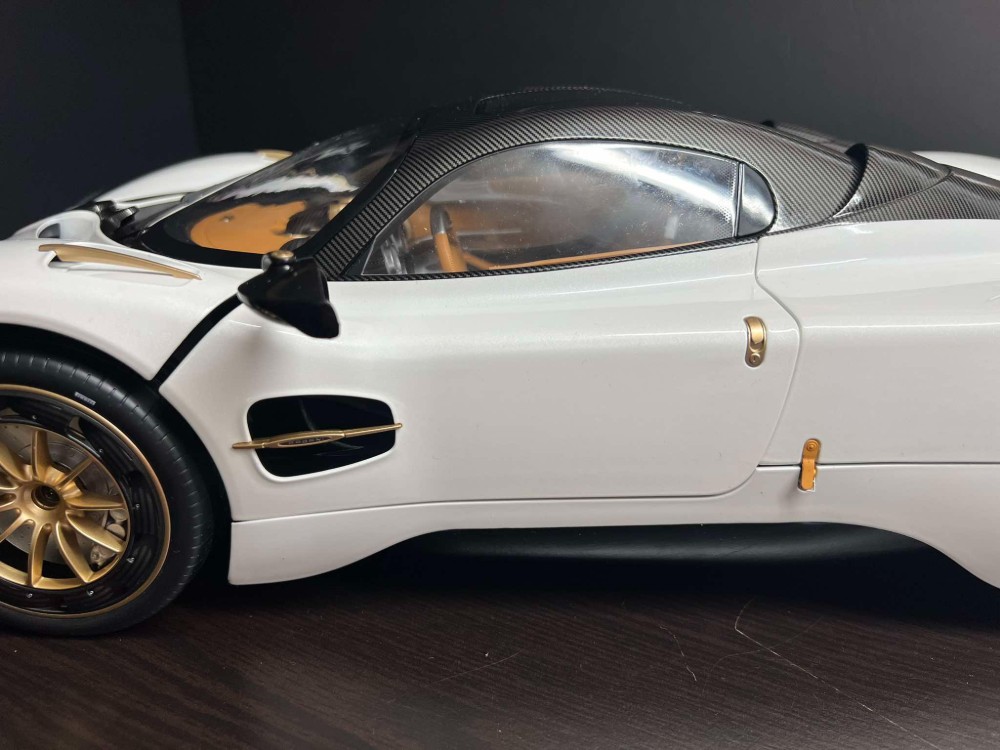
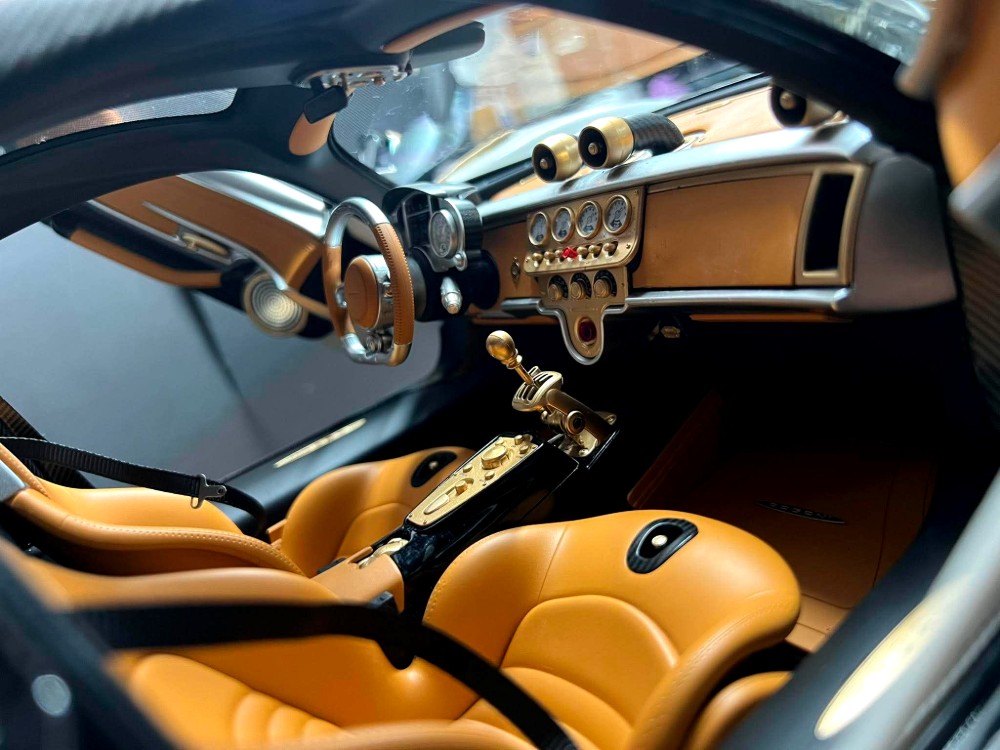
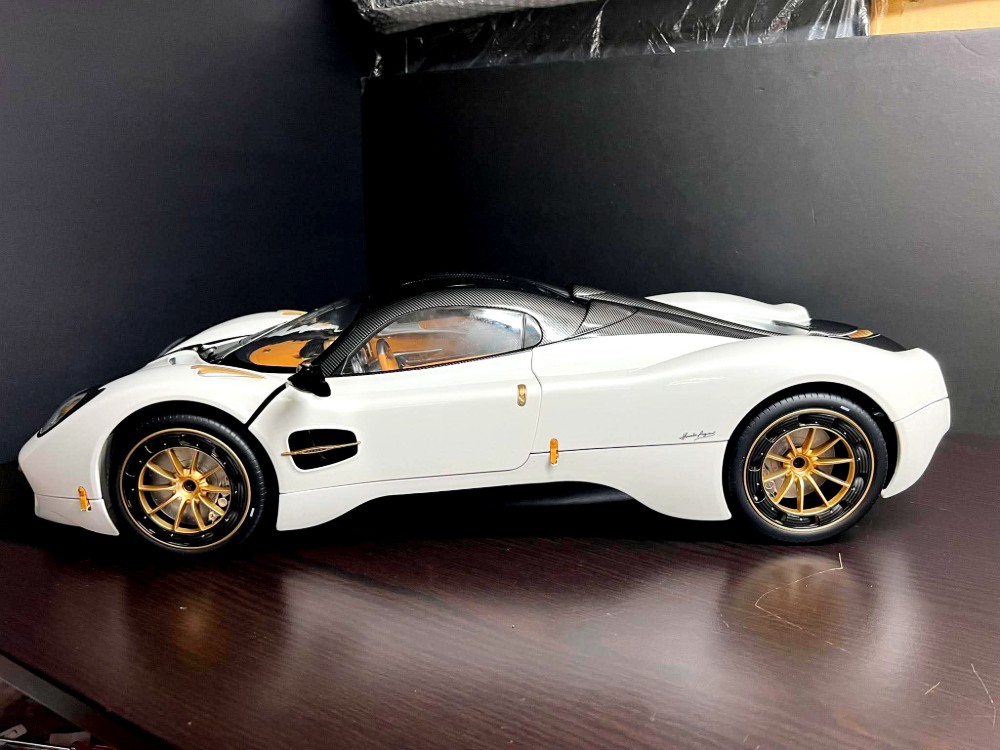
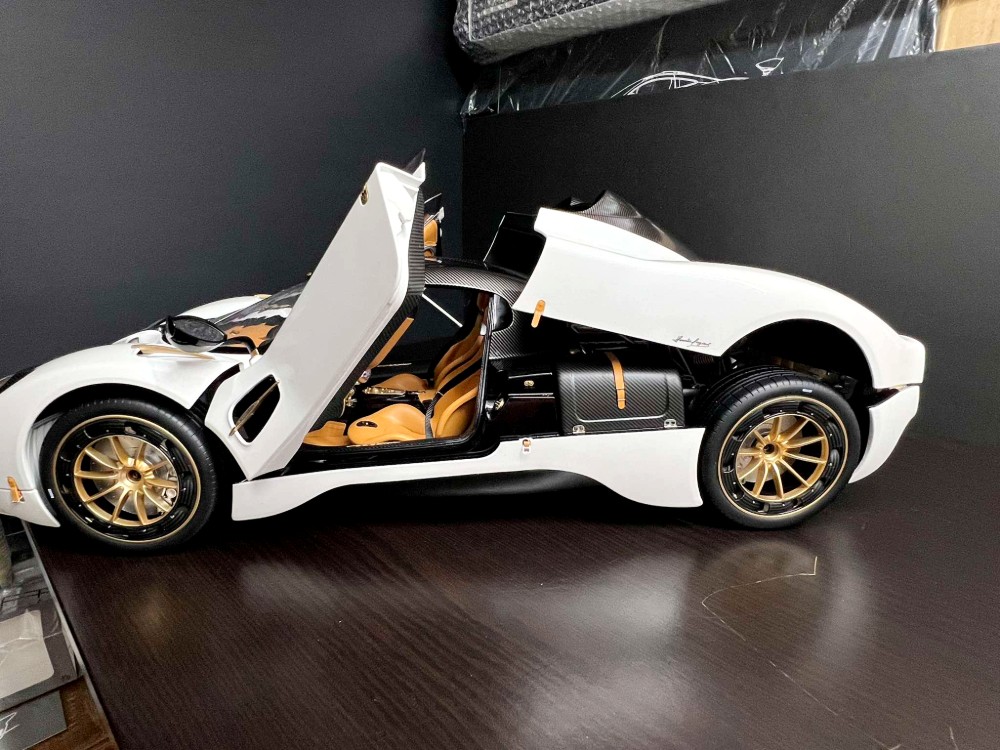
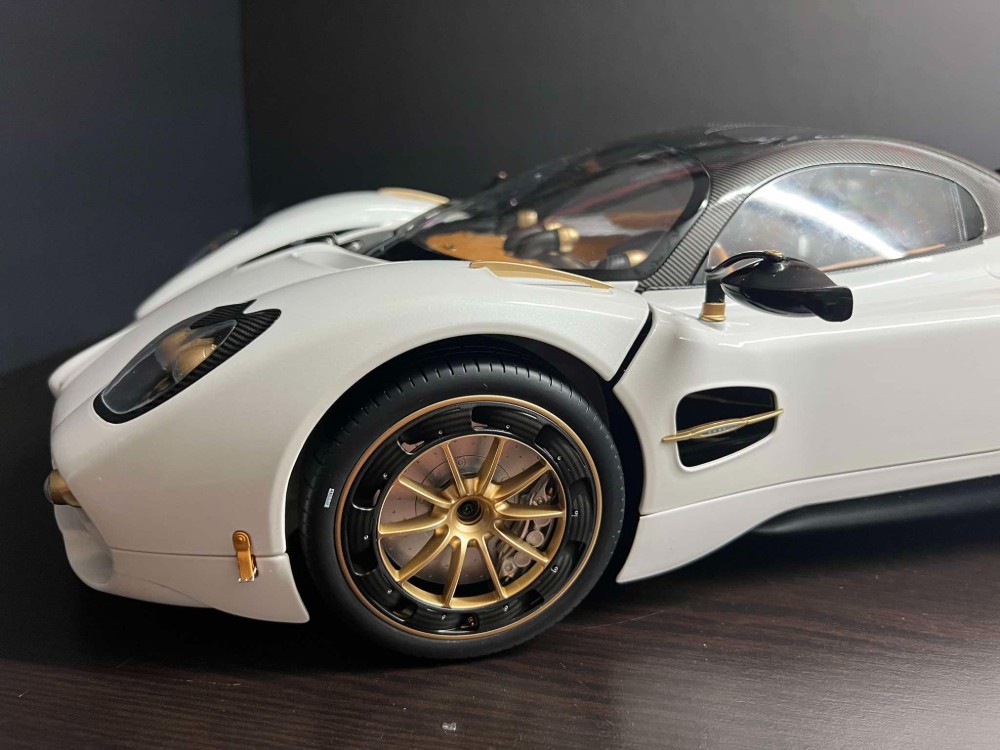
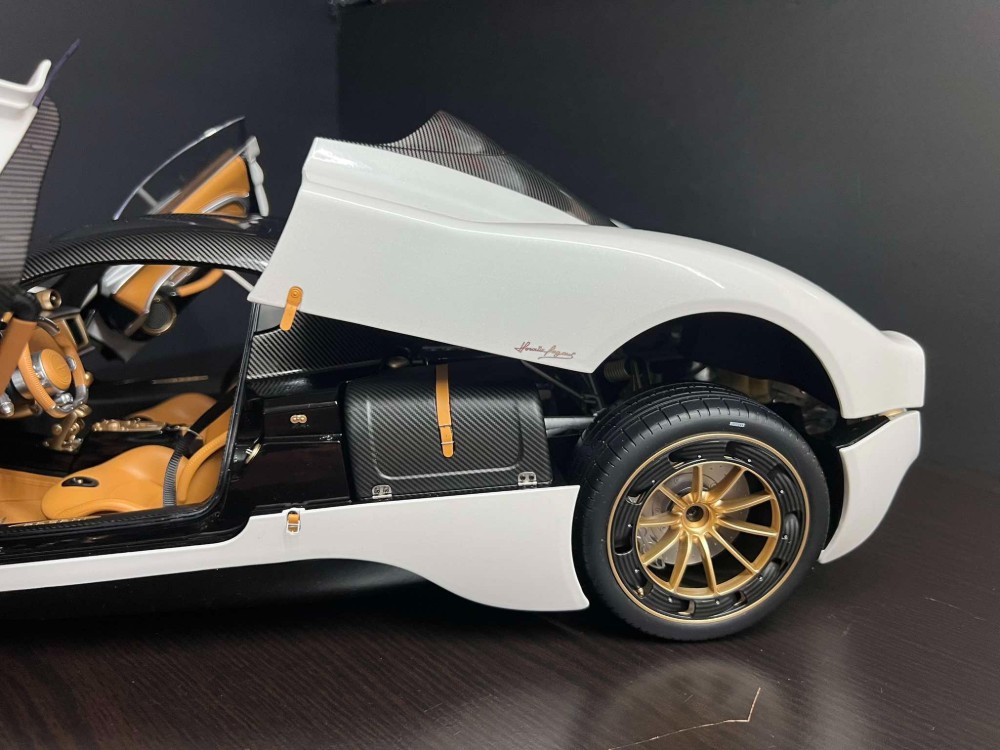
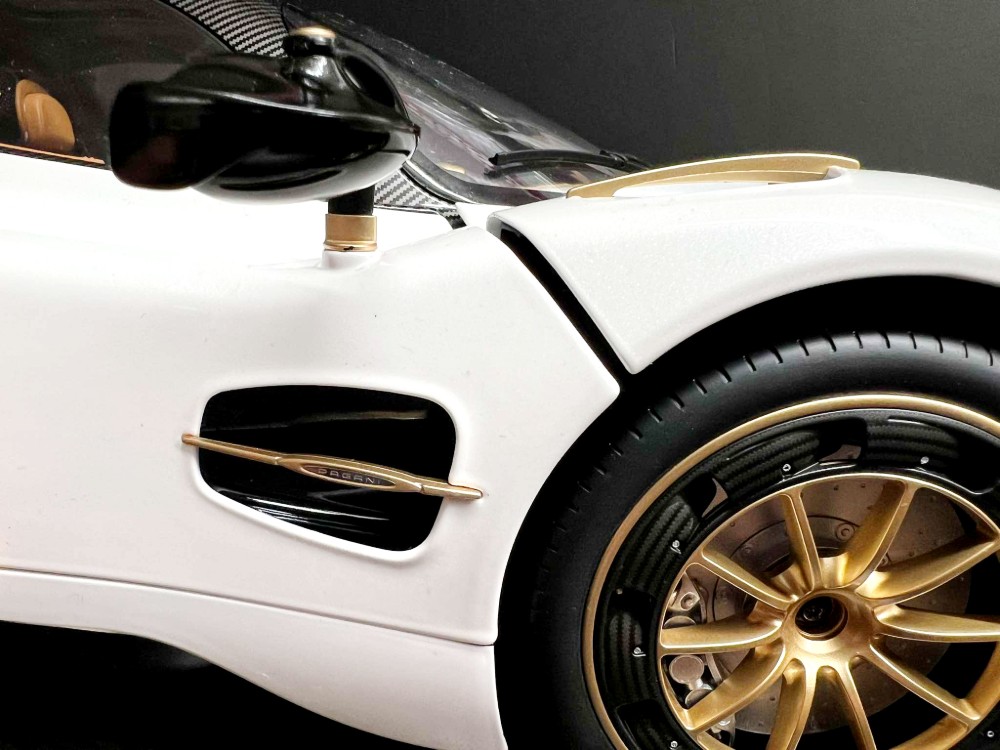
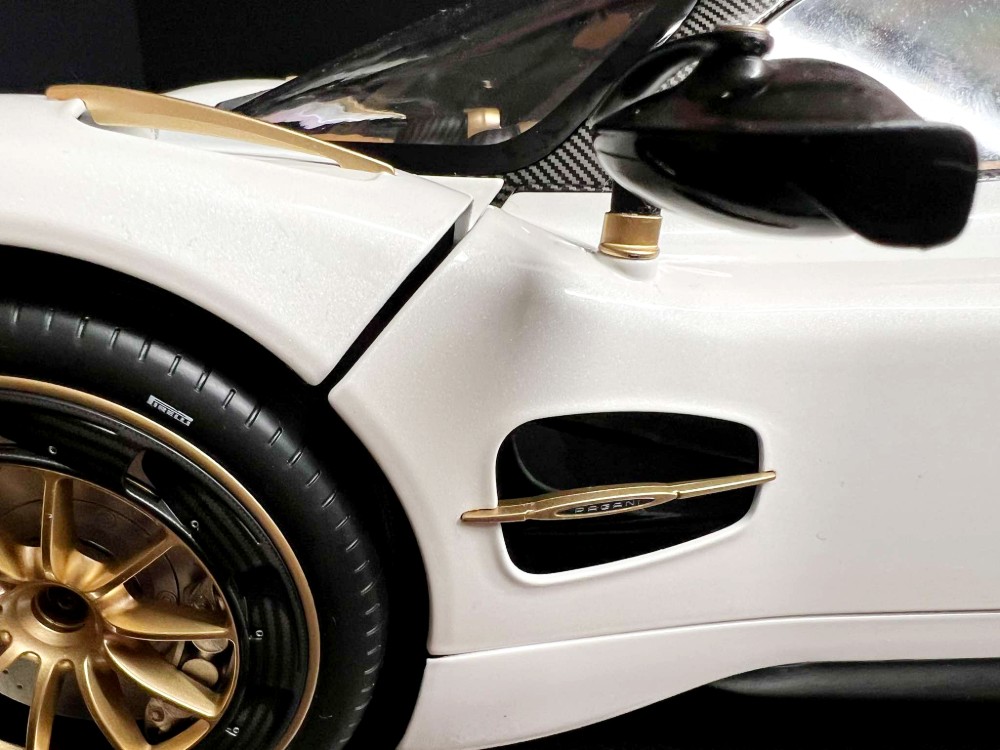
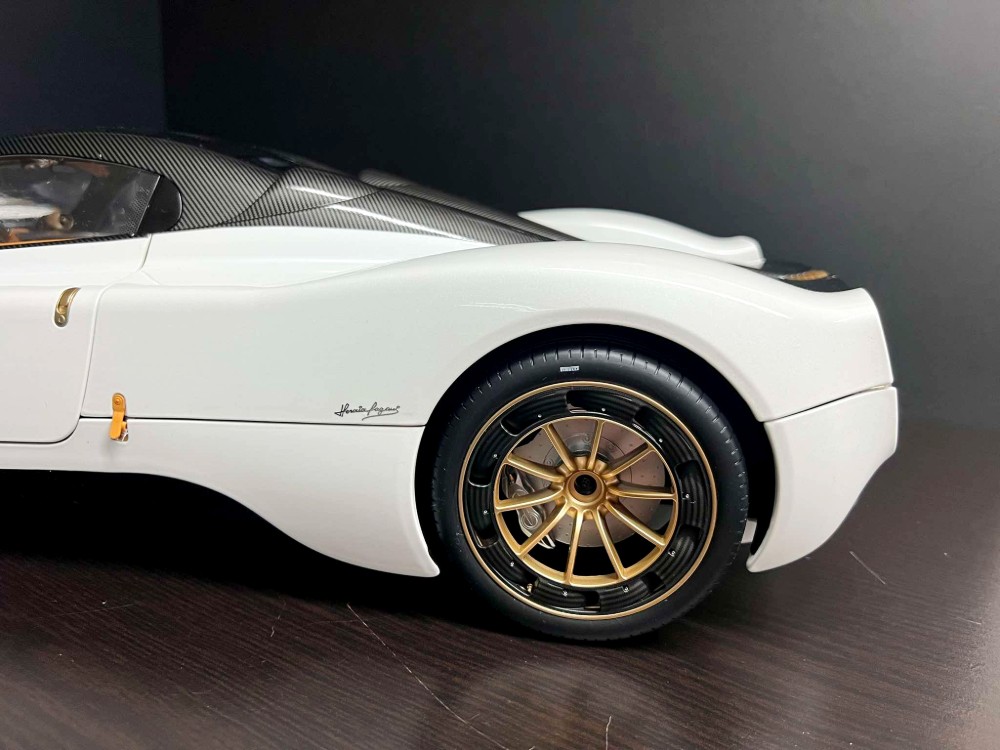
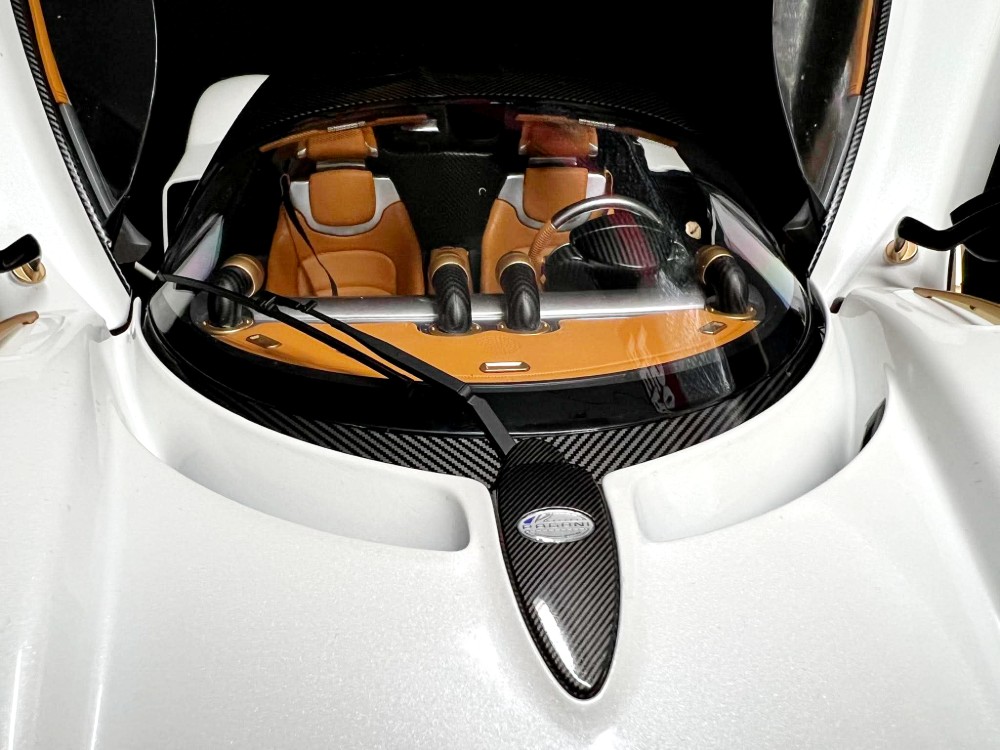
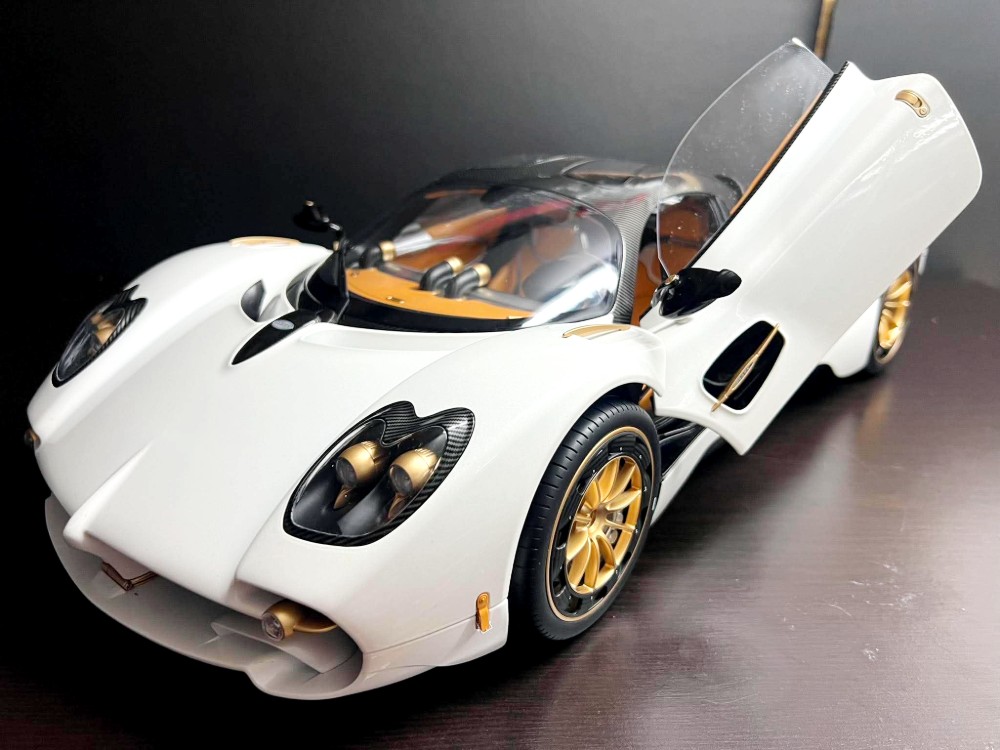
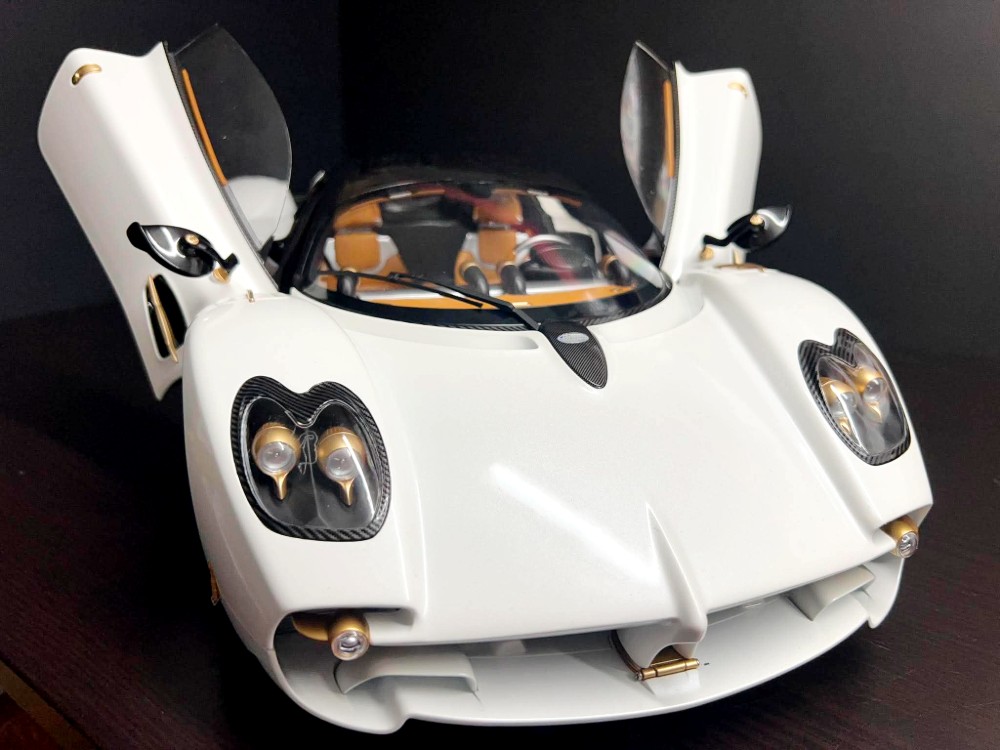
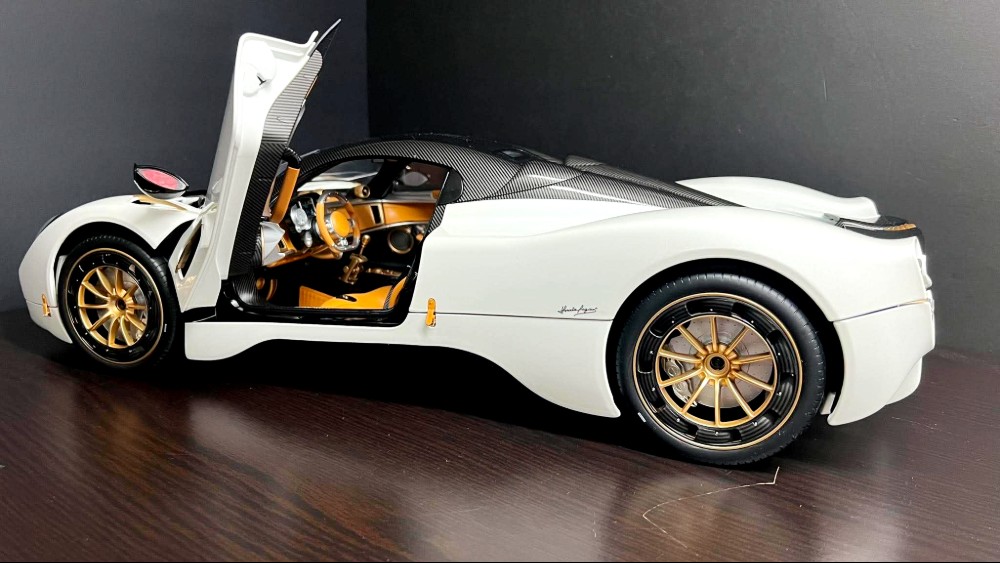
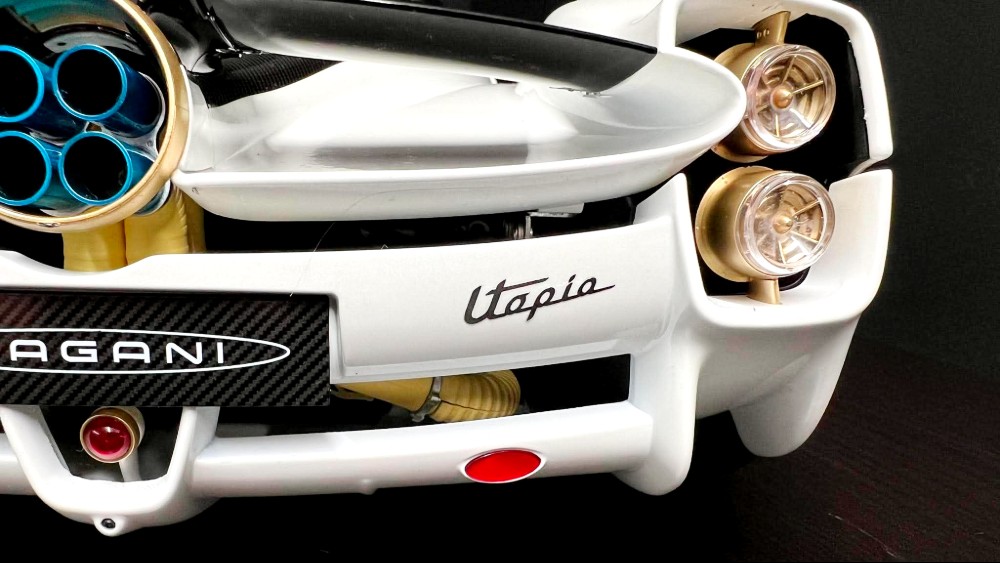
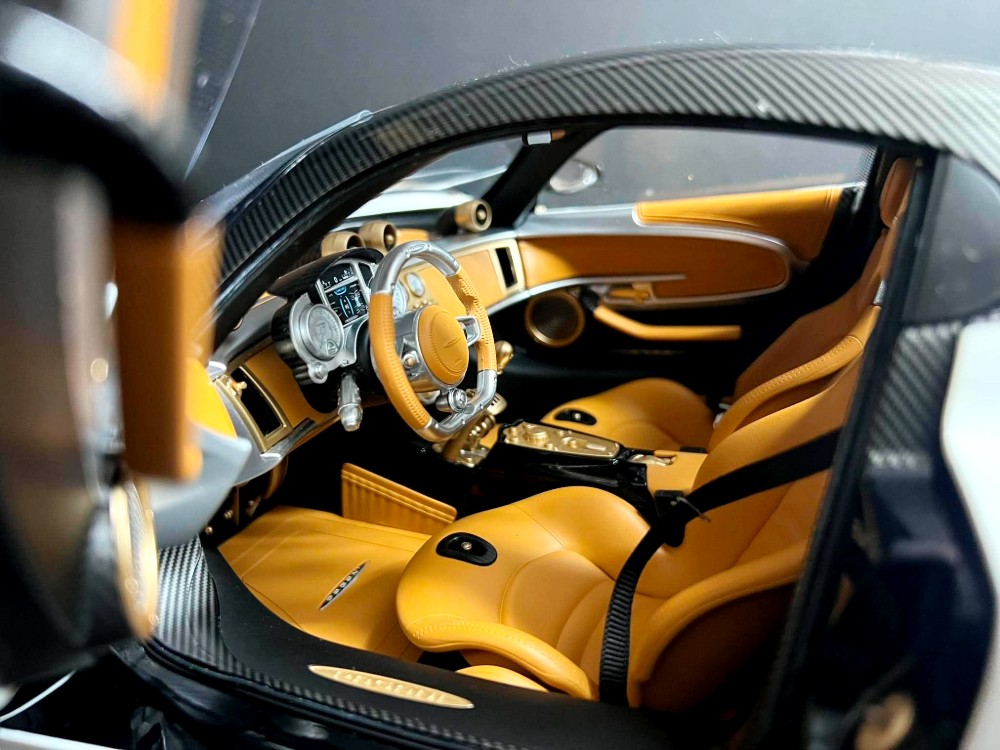
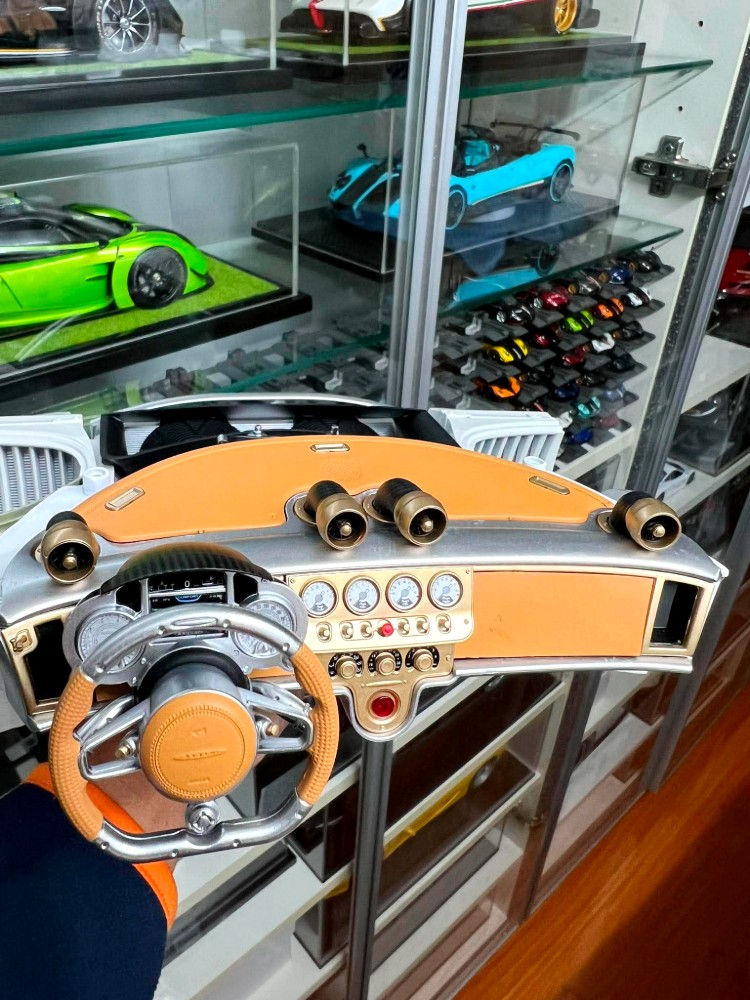
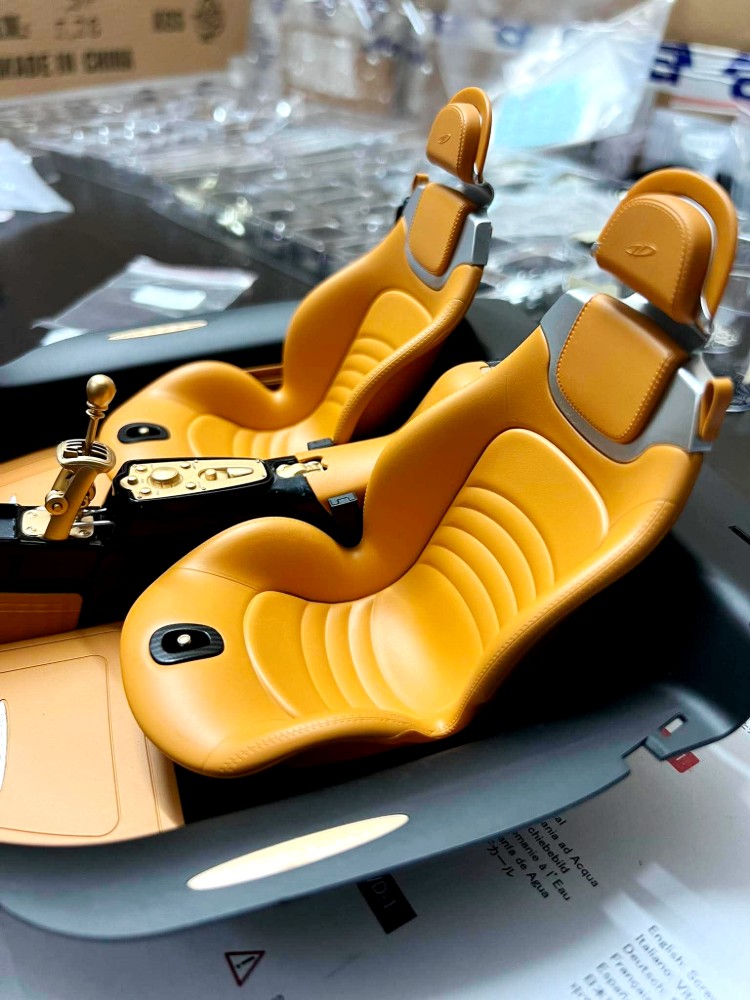
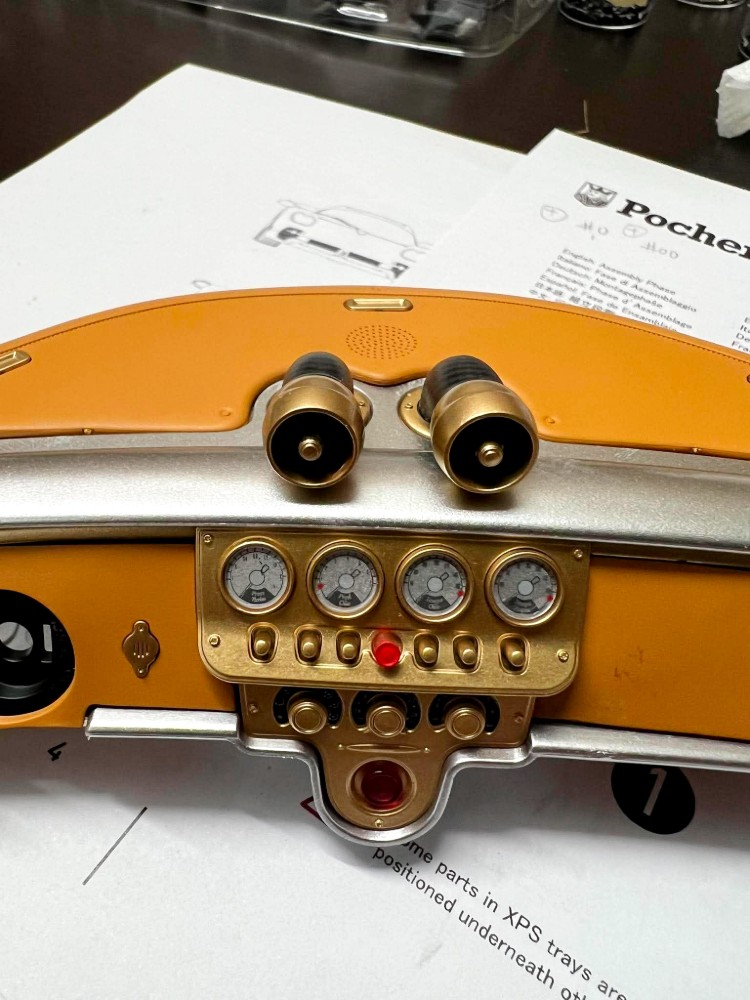
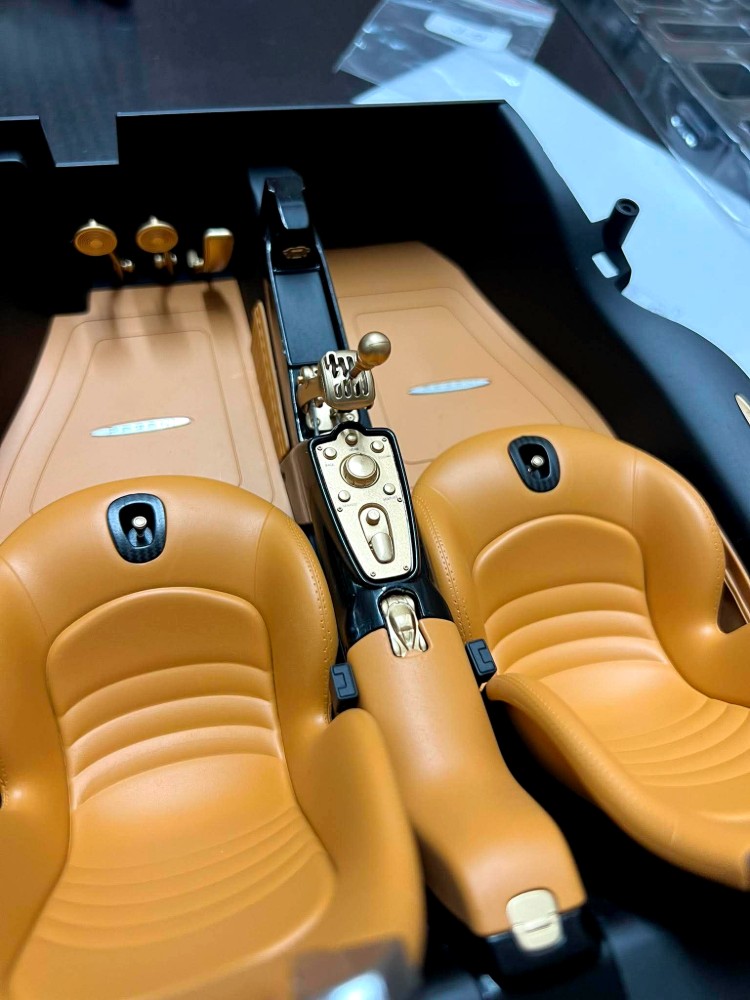
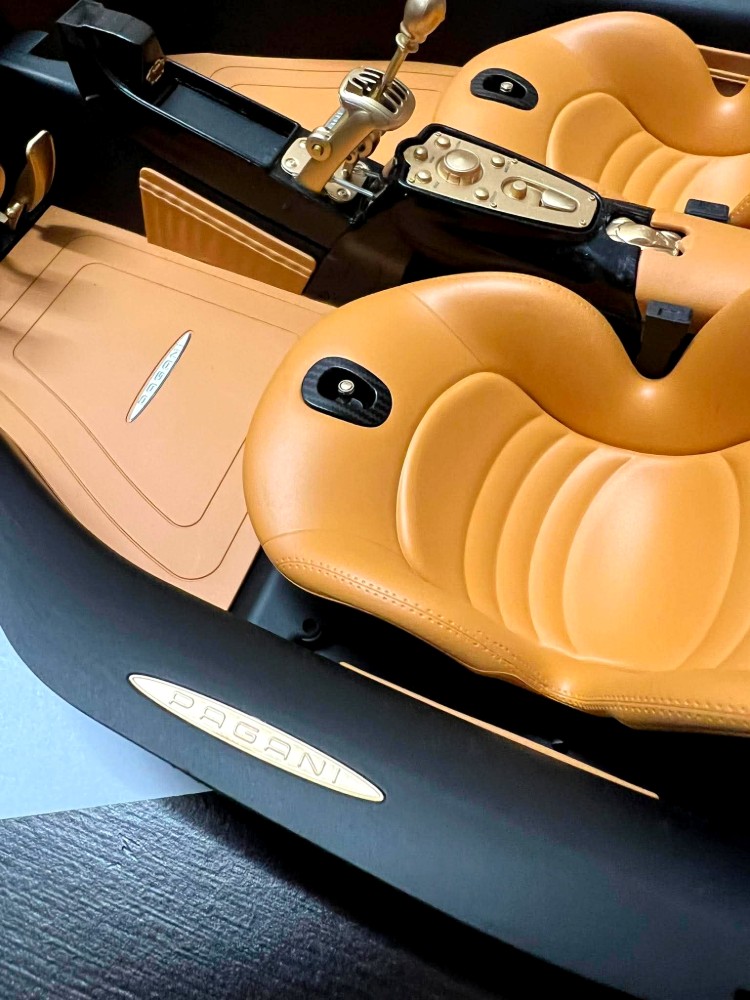
There’s no denying the visual impact of the completed model. The Utopia captures the dramatic proportions and intricate design details of Pagani’s latest hypercar exceptionally well. The interior is richly detailed, the engine compartment is impressive, and once assembled, the model commands attention in a way that few scale replicas can. Its size alone makes it a centrepiece worthy of any collection.
Unfortunately, the journey to get there can be frustrating.
One of the biggest disappointments begins before assembly even starts. Despite the kit’s premium price tag of over $1,300, Pocher does not include a printed instruction manual in the box (** NOTE: Brian informed us that the latest kits will now ship with an instruction manual; however, Pocher still recommends the digital download). Builders must download a digital PDF by scanning a QR code. While a digital manual is not necessarily a problem in itself, the execution leaves much to be desired.
The instruction manual contains numerous errors and inconsistencies that can complicate the build process considerably. Screw sizing is one of the most common frustrations. In several instances, the manual instructs builders to use a shorter F screw when the longer E screw is actually required, and vice versa. These mistakes can lead to unnecessary disassembly and confusion later in the build. Part identification is equally problematic, with several part numbers in the instructions failing to match those found on the sprues. In many cases, builders are forced to rely on the shape shown in the diagrams rather than the printed identification numbers. Rather than serving as a reliable guide, the manual often becomes another obstacle to overcome.
As a result, outside resources become almost essential. Video tutorials and YouTube build guides are often more helpful than the official instructions, something that should never be necessary for a premium kit of this calibre.
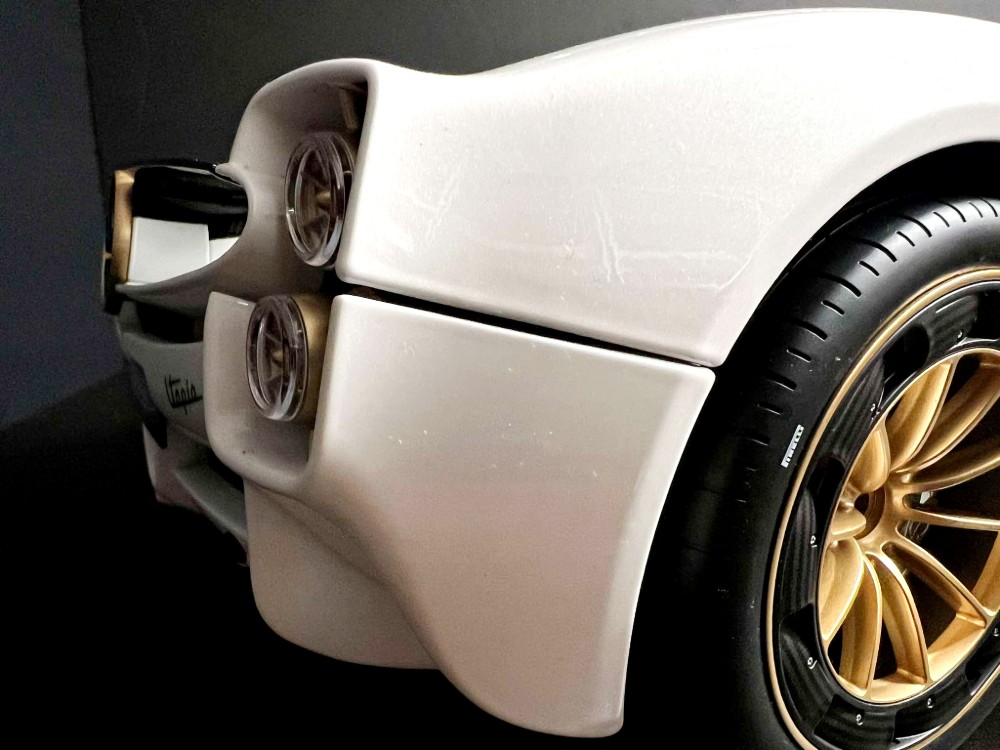
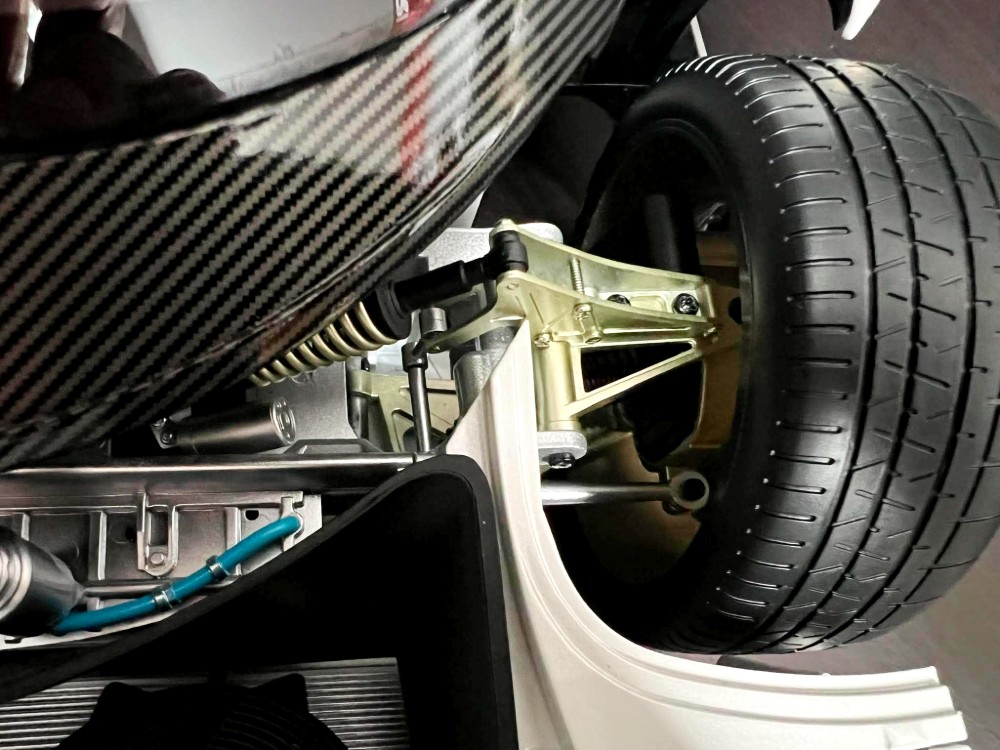
Assembly itself presents additional challenges. The model features numerous connections between metal and plastic components, many of which require adhesive rather than traditional screws or mechanical fasteners. This creates extra complexity and leaves little room for mistakes. Fitment throughout the build can also be inconsistent. Panel alignment requires patience, adjustment, and sometimes compromise.
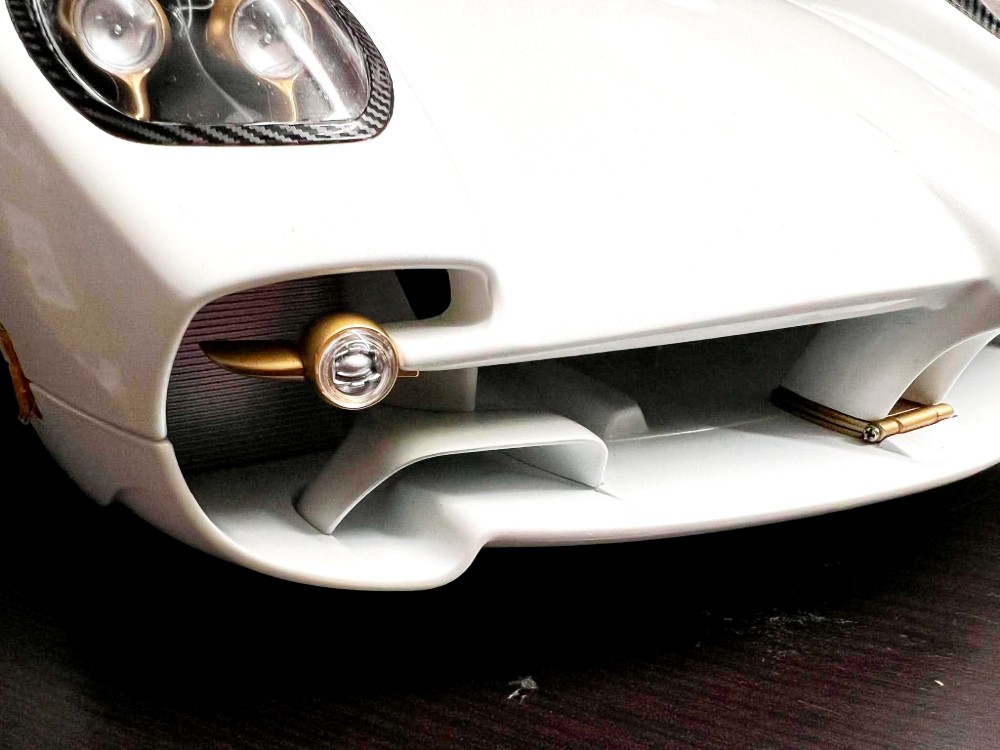
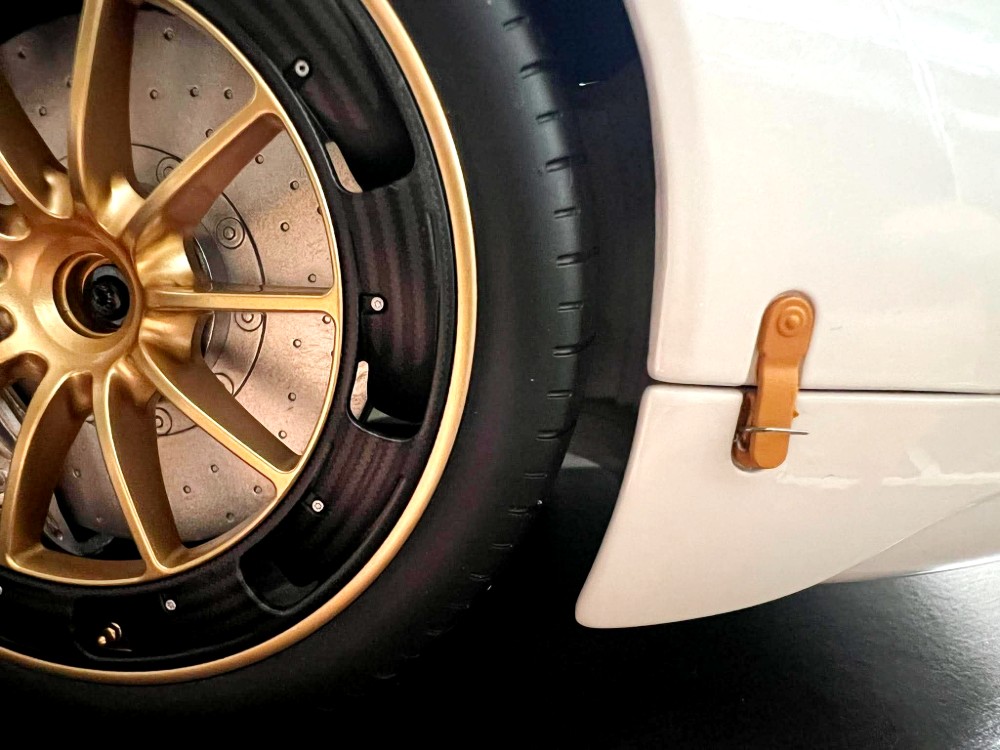
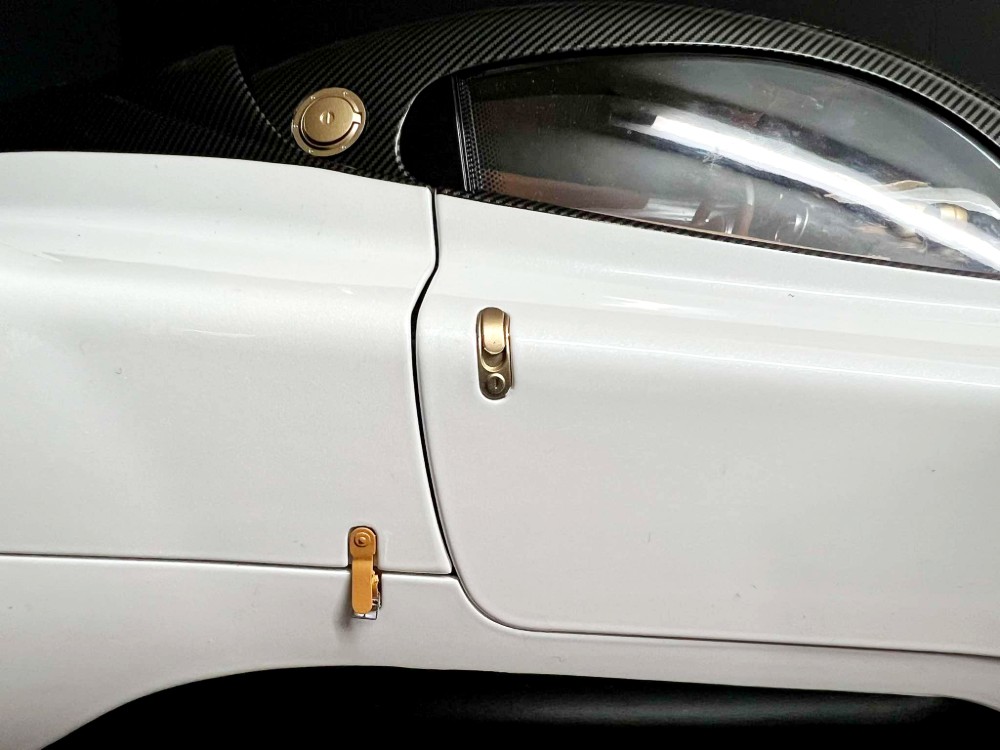
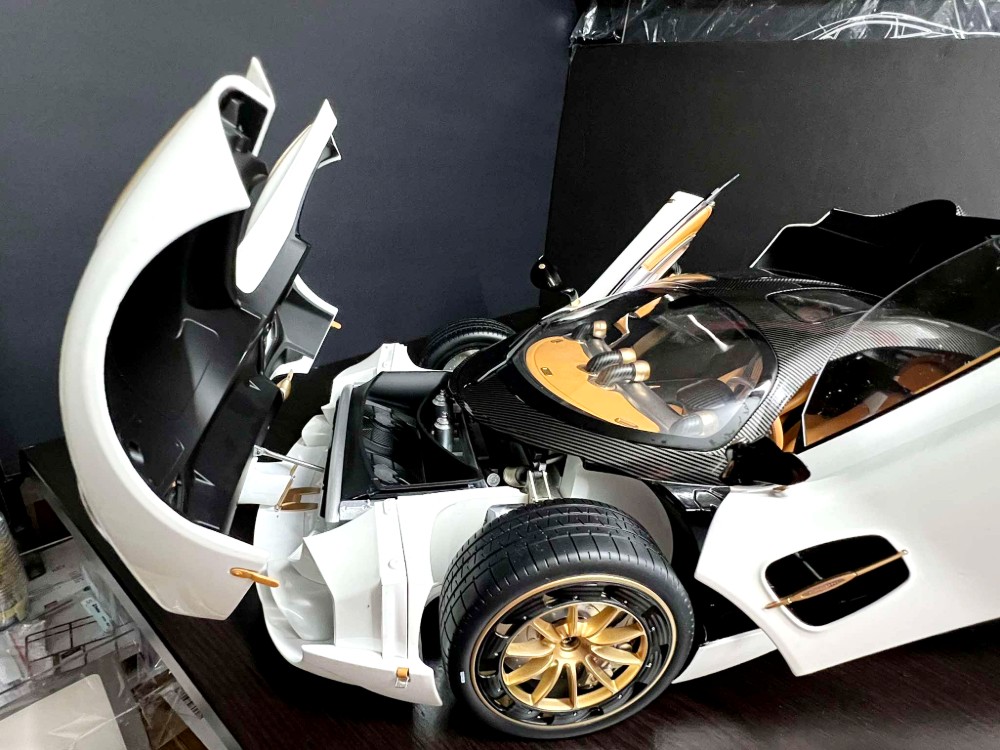
These fitment issues become particularly noticeable once the model is completed. Panel gaps are larger than expected in several areas, and alignment between body sections can vary from one build to the next. The front and rear opening panels also lack the precision one might expect from a model at this price point, with opening angles and shut lines that do not always match perfectly.
Some of these issues can undoubtedly be attributed to the builder, especially given the complexity of the project. This is not a kit aimed at beginners, and success depends heavily on patience, experience, and attention to detail. At the same time, many of the challenges encountered stem directly from the kit’s engineering and documentation rather than assembly skill alone.
Ultimately, the Pocher Pagani Utopia delivers an impressive final display piece, but getting there can be an exhausting experience. The model’s stunning appearance, substantial size, and exceptional detail are genuine highlights. However, they are offset by questionable fitment, extensive reliance on glue, confusing assembly procedures, and an instruction manual that falls well below the standard expected of a premium product.
For experienced builders willing to invest dozens of hours overcoming the kit’s shortcomings, the result can be rewarding. For everyone else, especially those expecting a straightforward, premium building experience commensurate with its price, the Pocher Pagani Utopia may prove more frustrating than satisfying.
Final Verdict
Pros:
– Massive 60 cm display presence
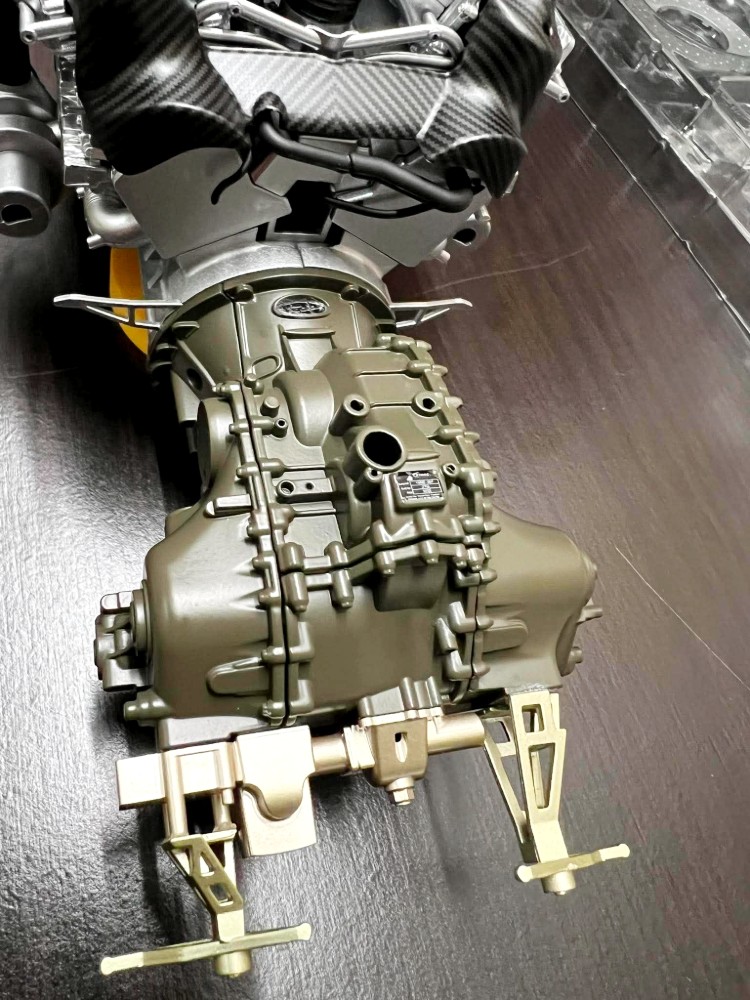
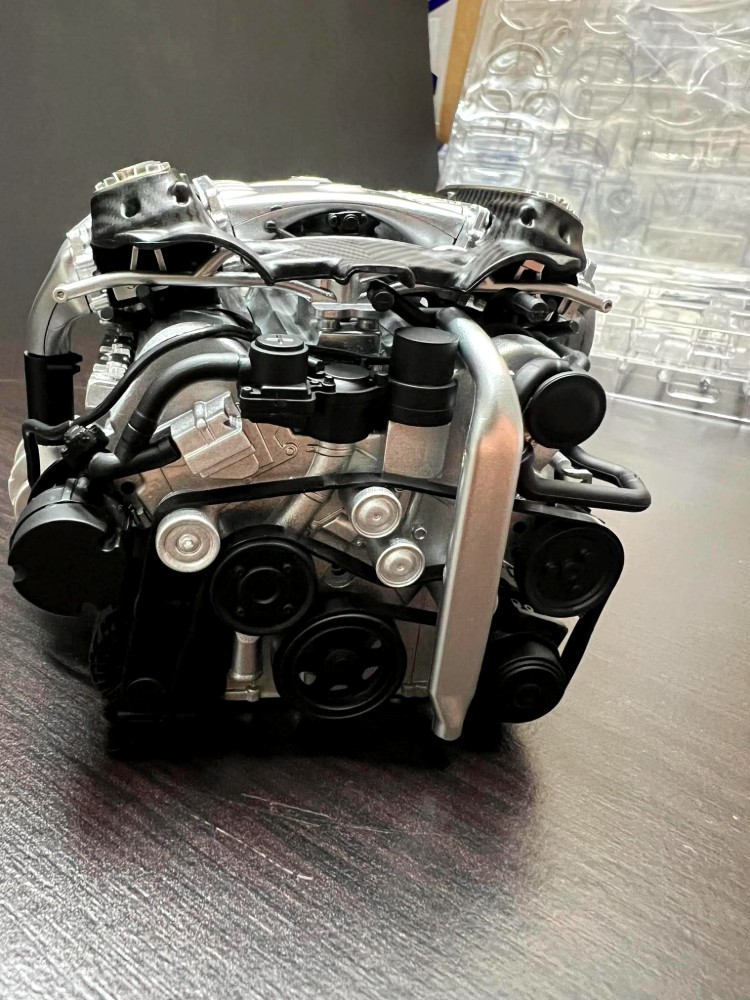
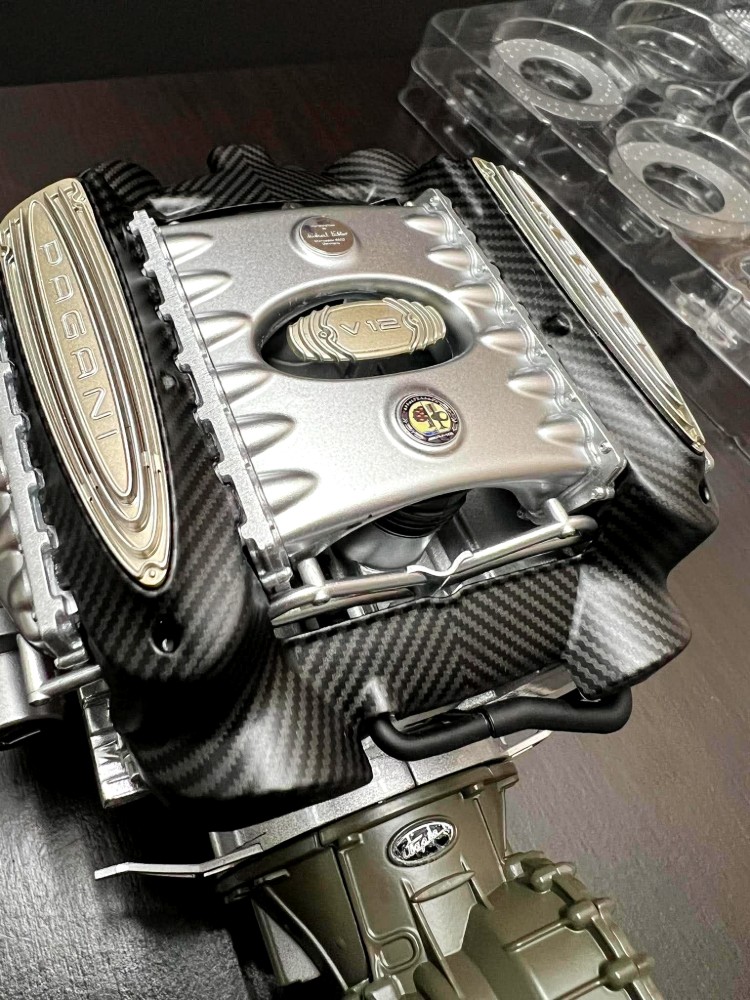
– Outstanding interior and engine detail
– Extensive use of die-cast metal components
– Highly accurate representation of the Pagani Utopia
– Impressive finished showpiece
Cons:
– No printed instruction manual included
– Numerous errors and inconsistencies in the digital instructions
– Fitment and panel-gap issues throughout the build
– Heavy reliance on glue for critical assemblies
– Expensive purchase price
– Demands considerable patience and experience
While the completed model is undeniably impressive, the overall building experience falls short of expectations for a kit costing over $1,300. For this builder, the frustrations ultimately outweighed the enjoyment, making this a project that is unlikely to inspire another Pocher purchase in the future.
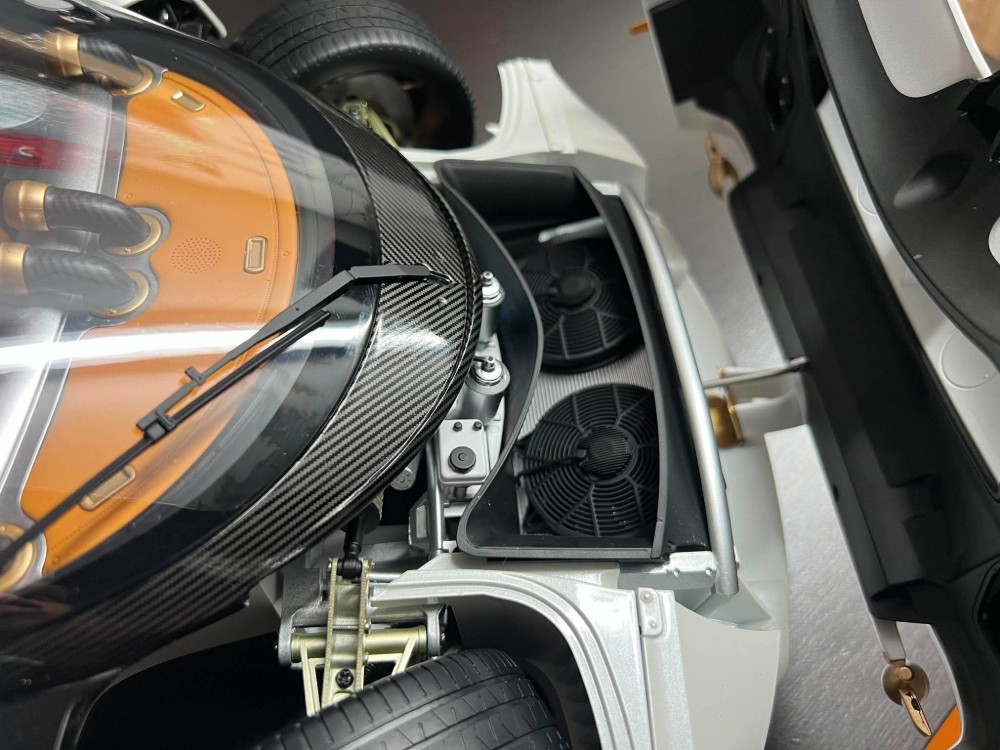
Completed Model Photos:
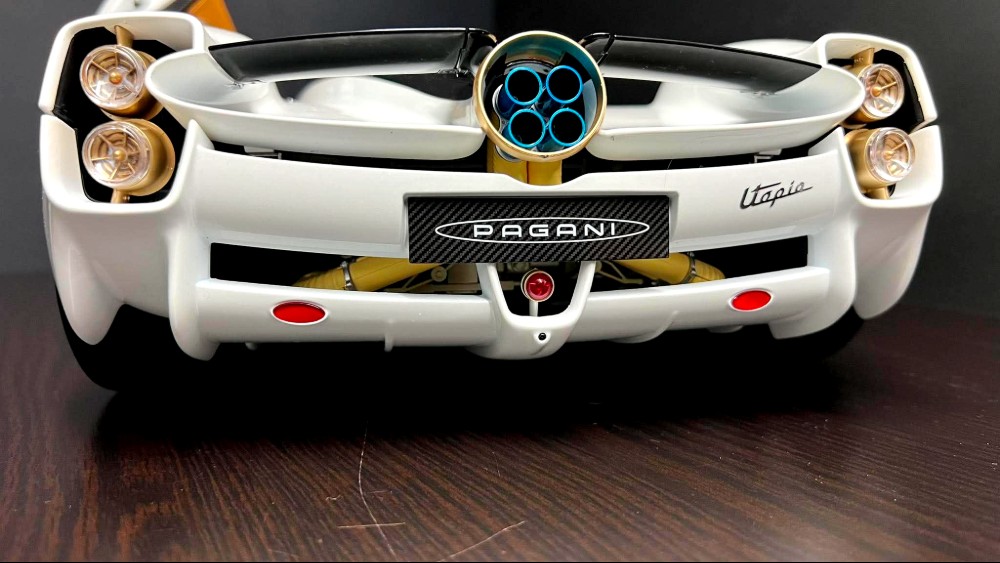
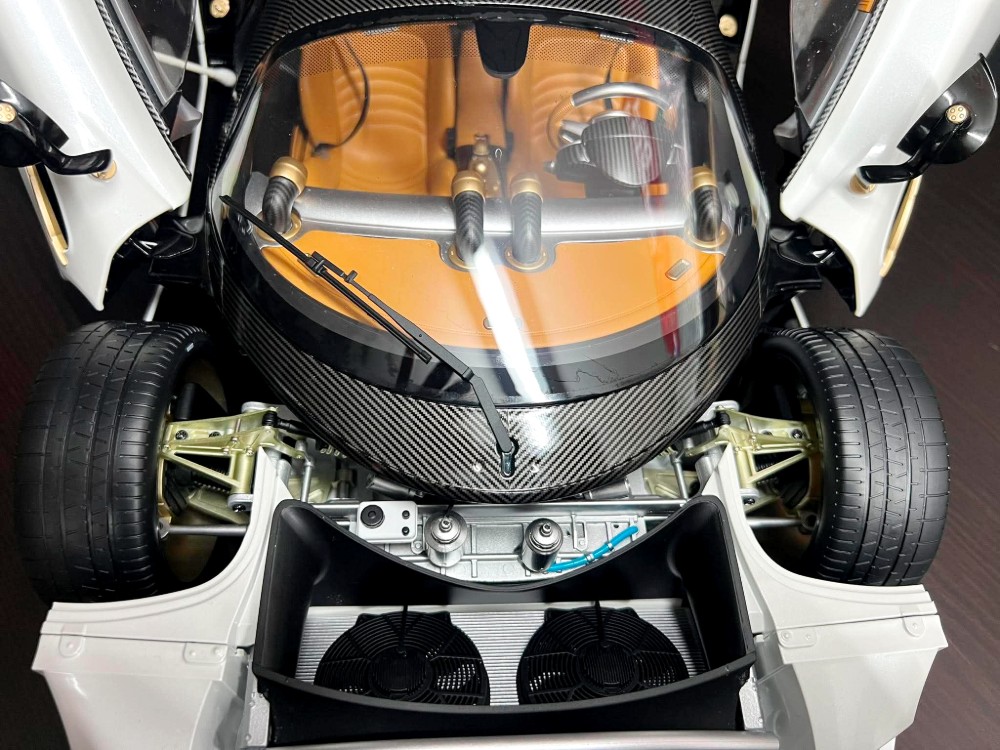
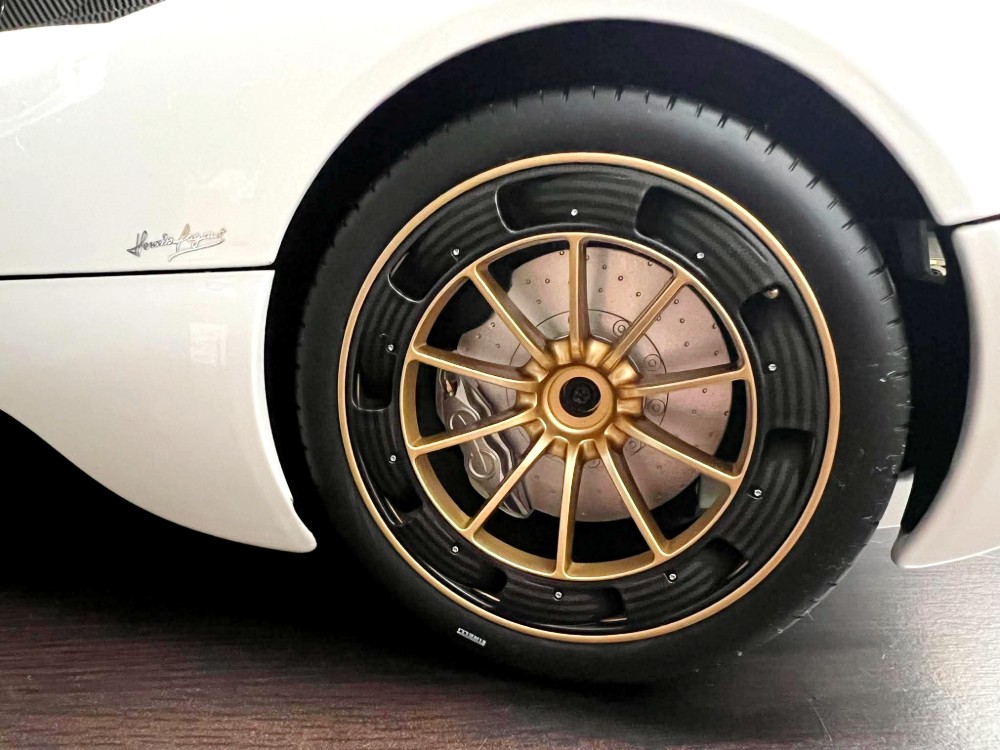
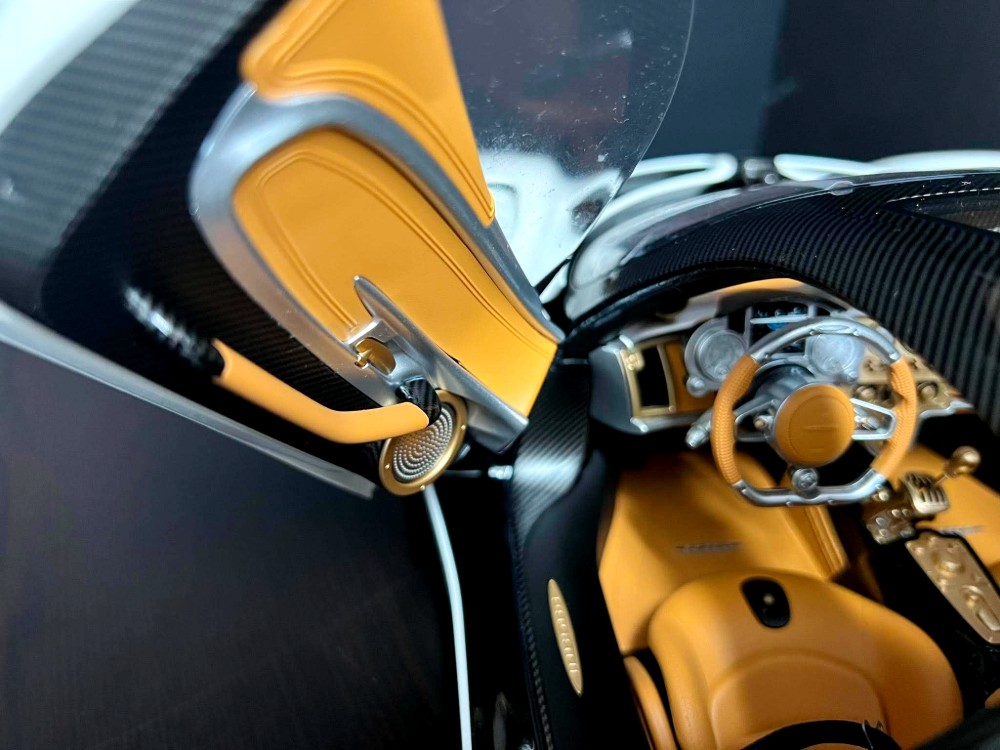
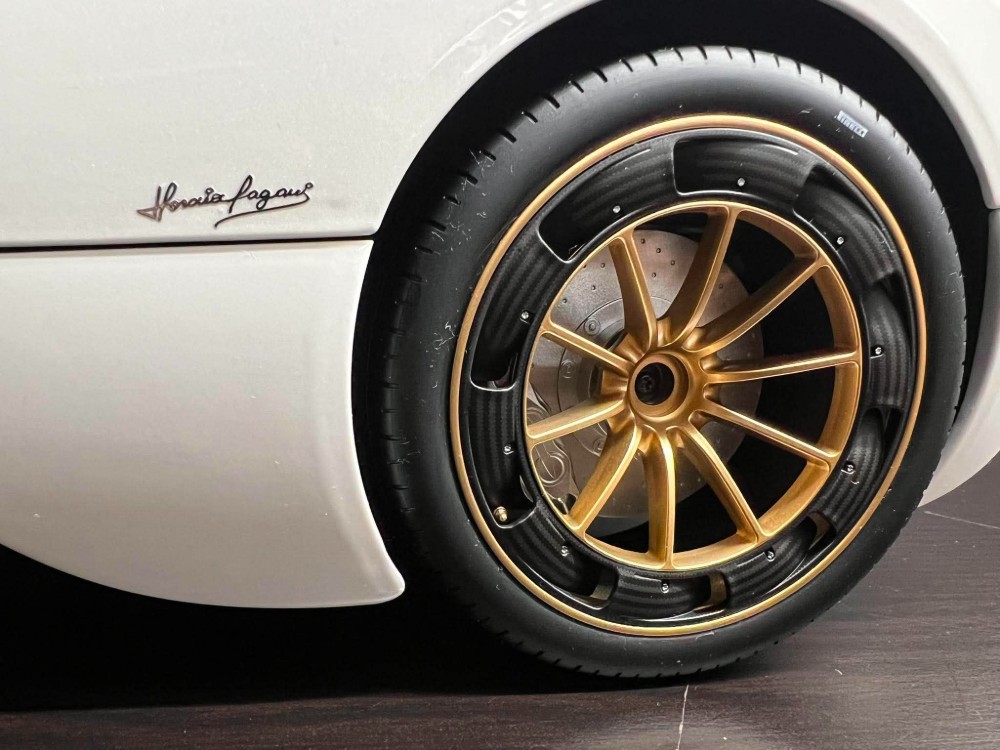
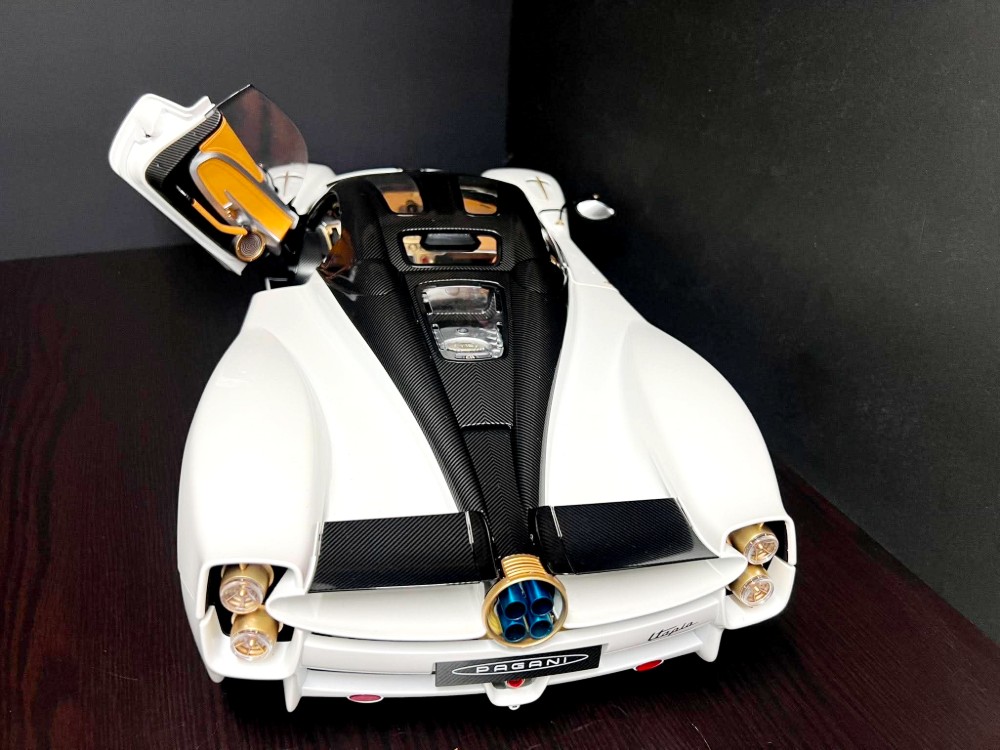
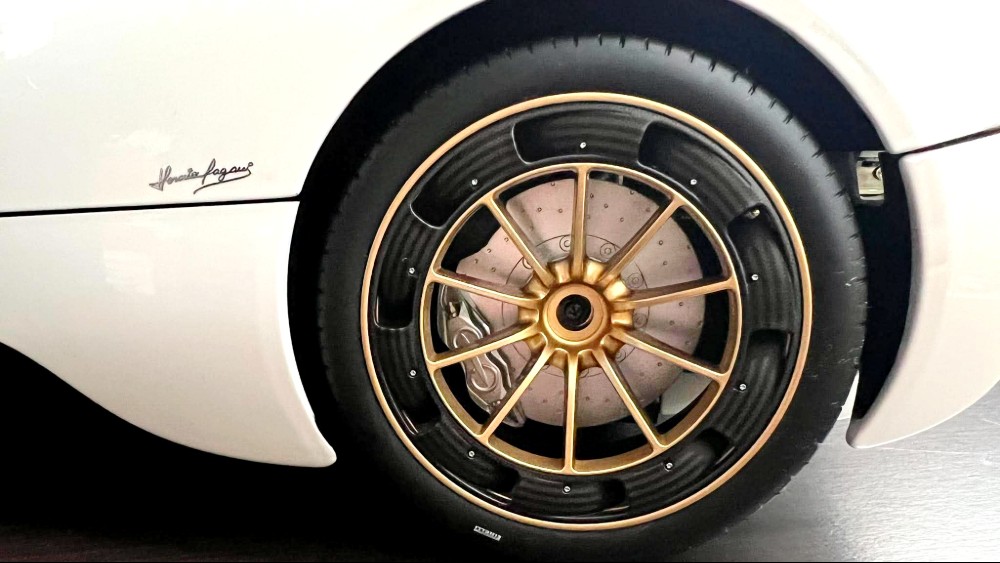
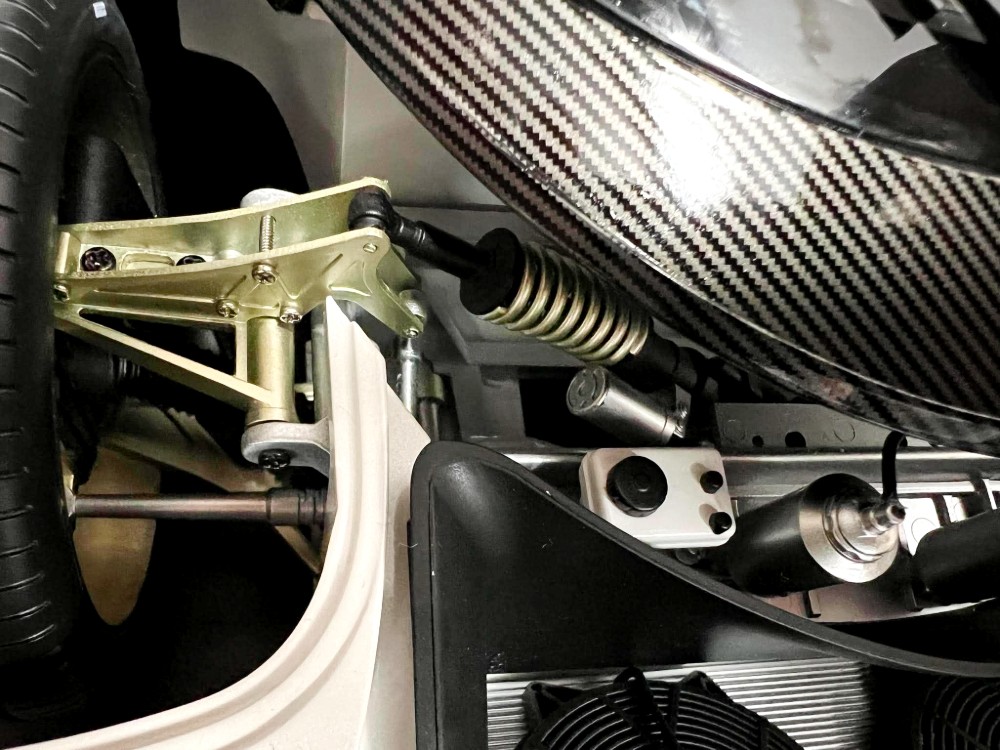
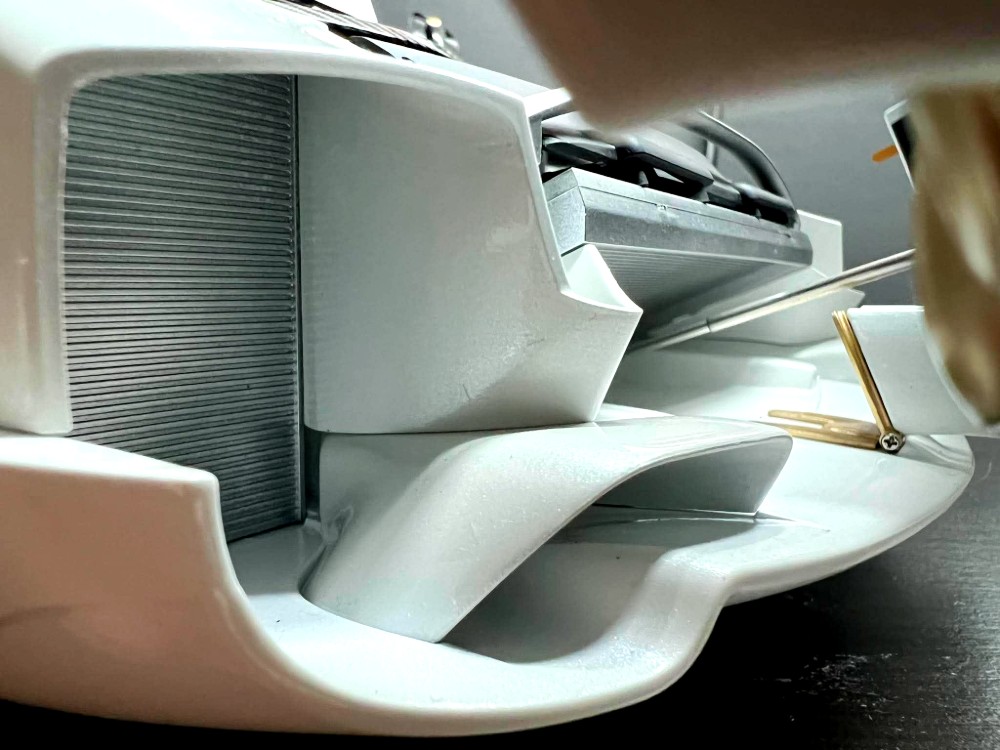
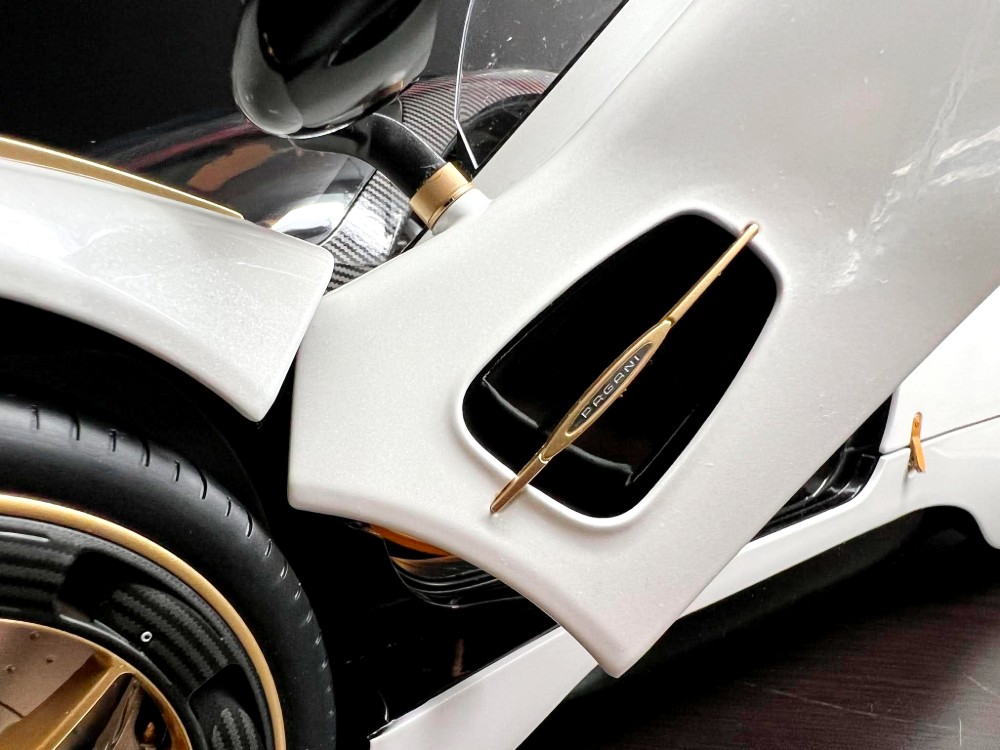
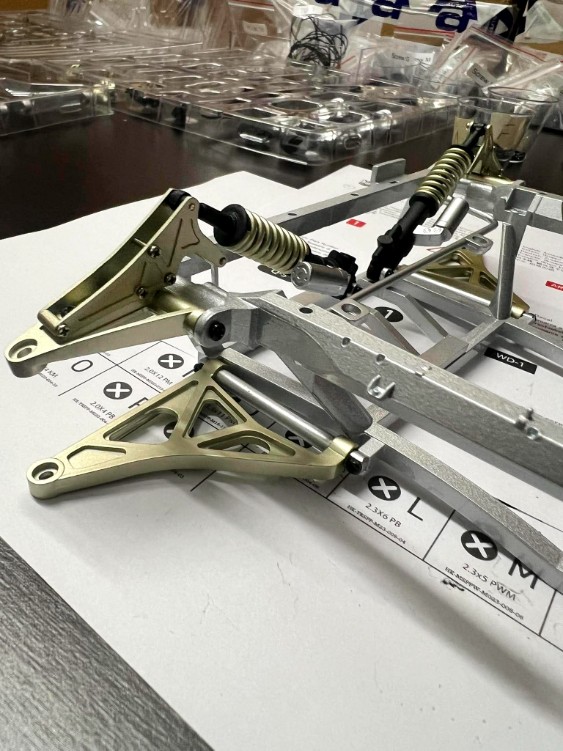
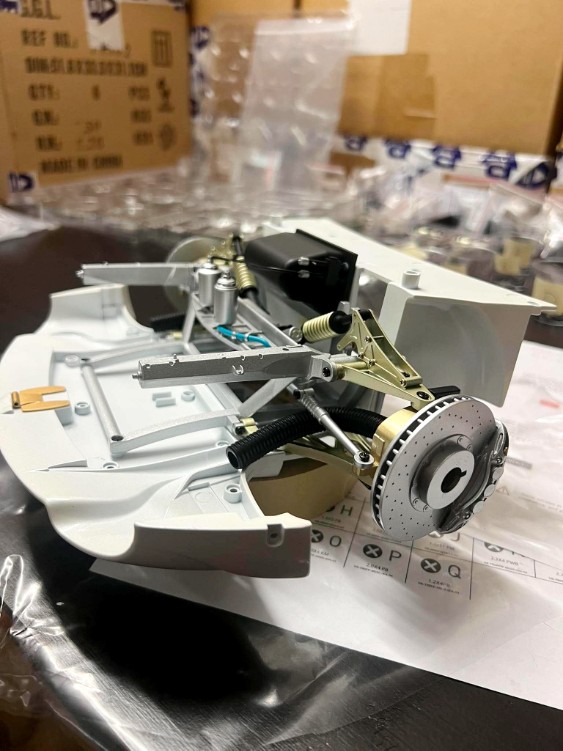
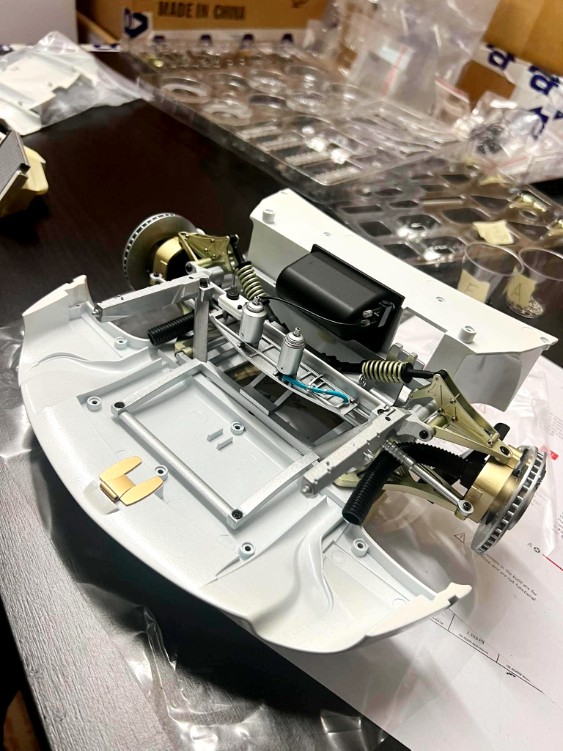
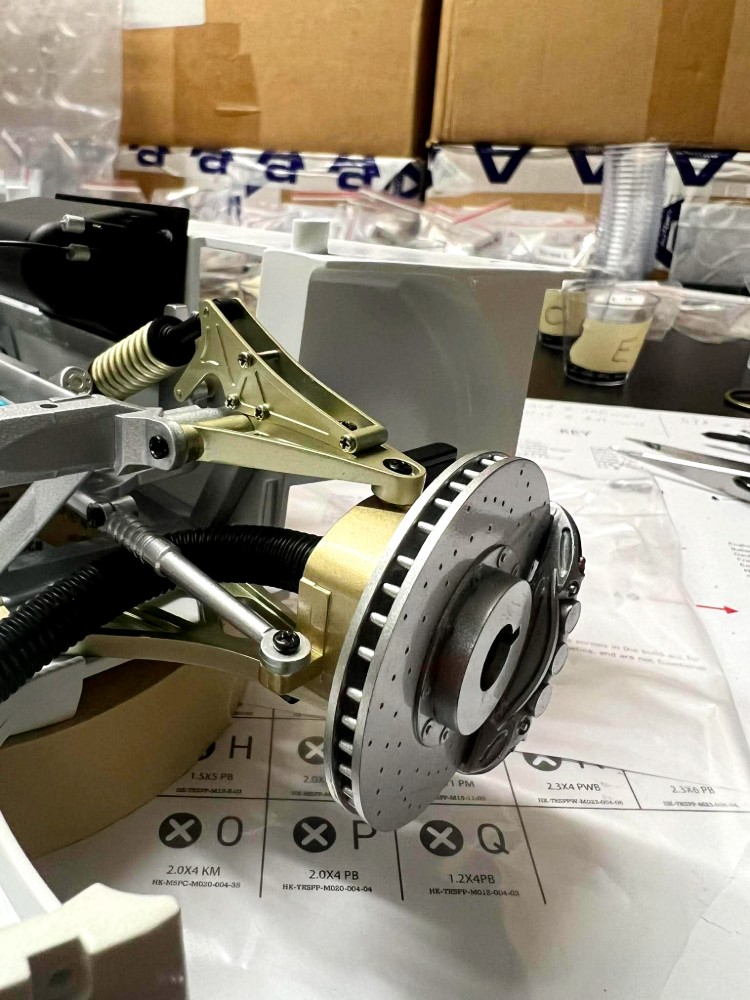
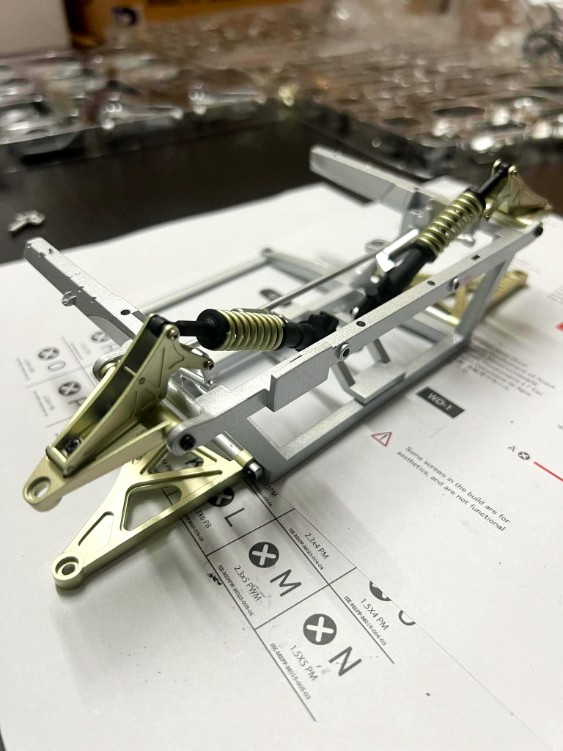
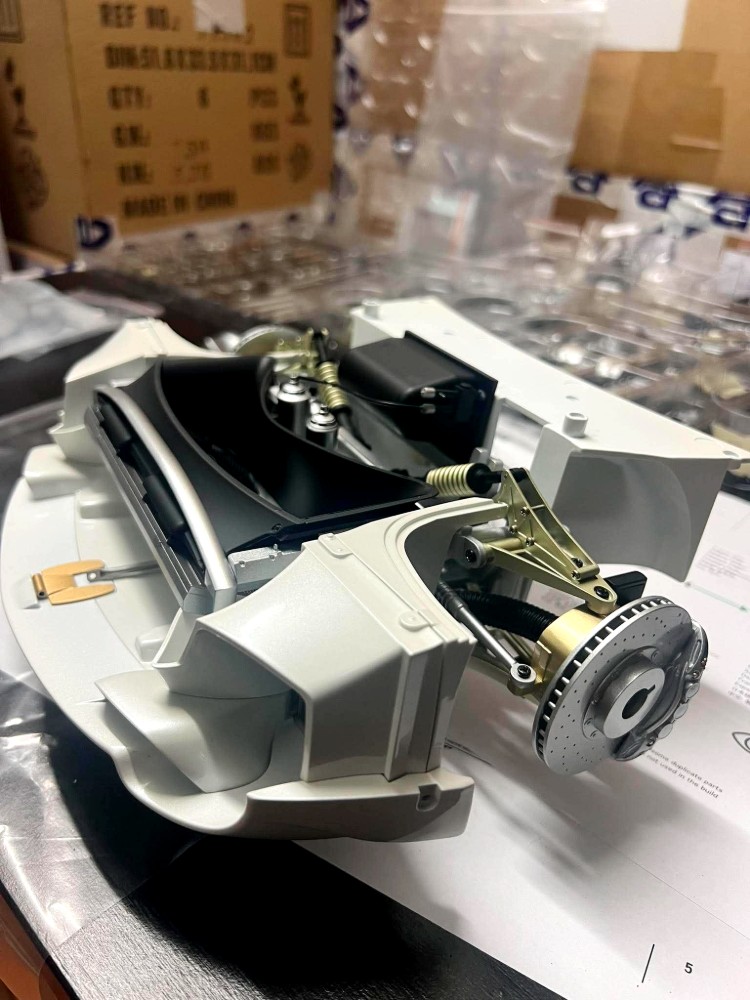
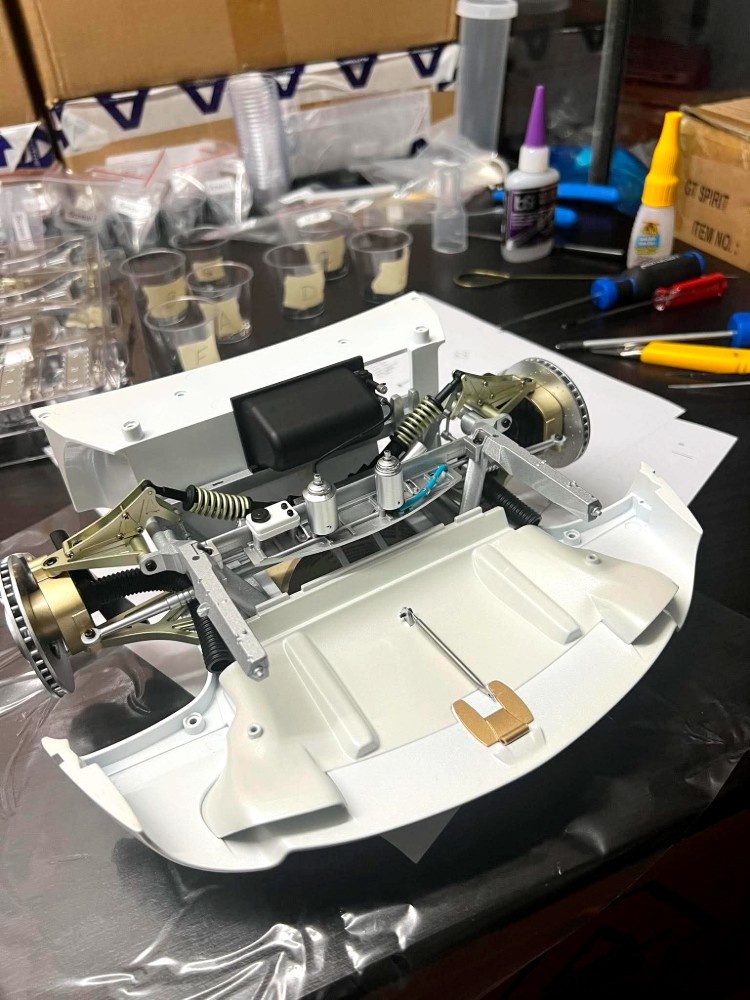
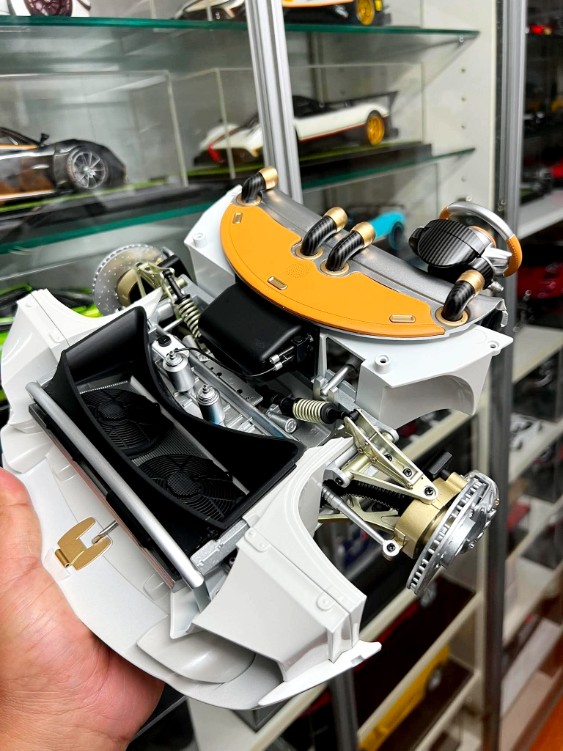
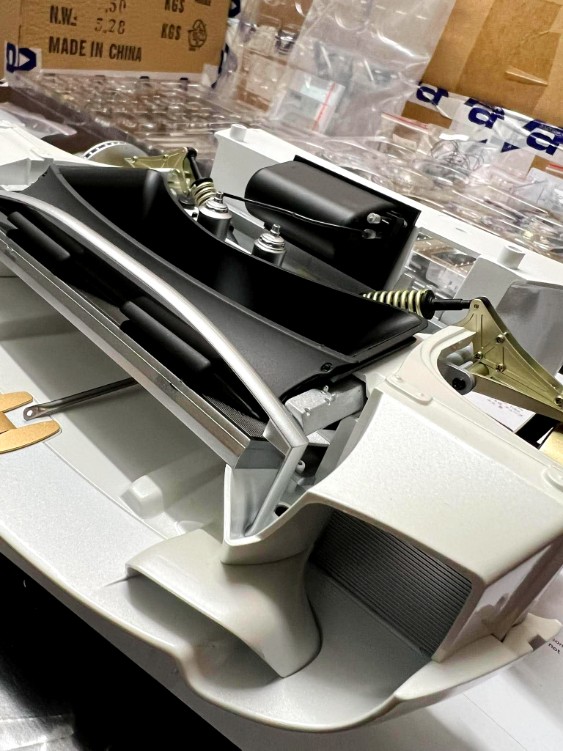
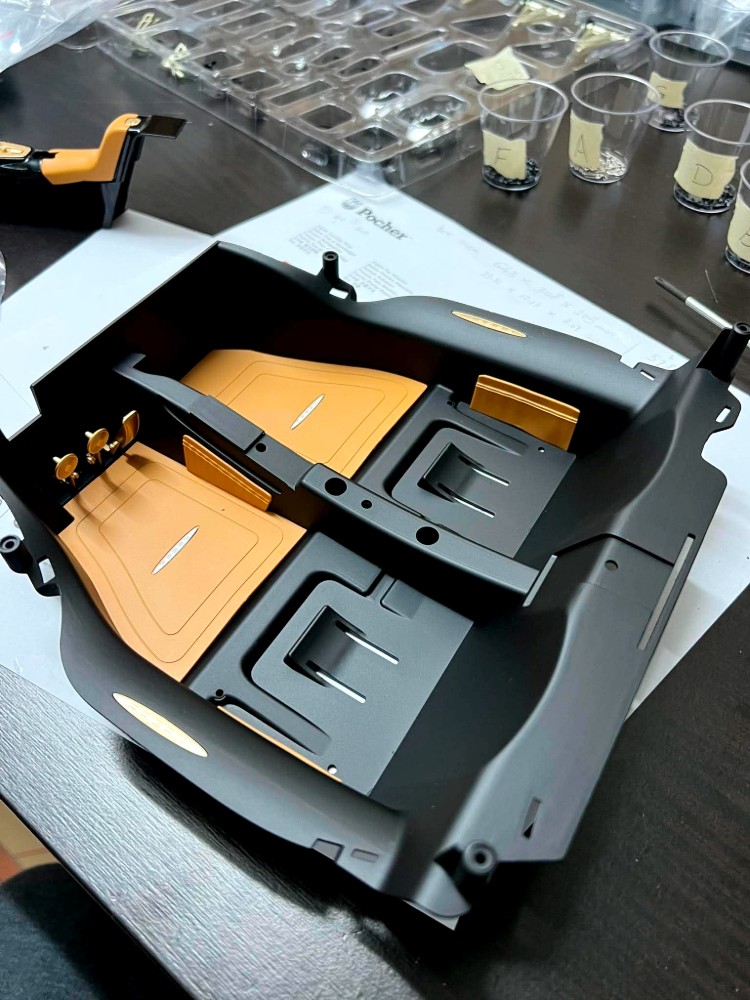
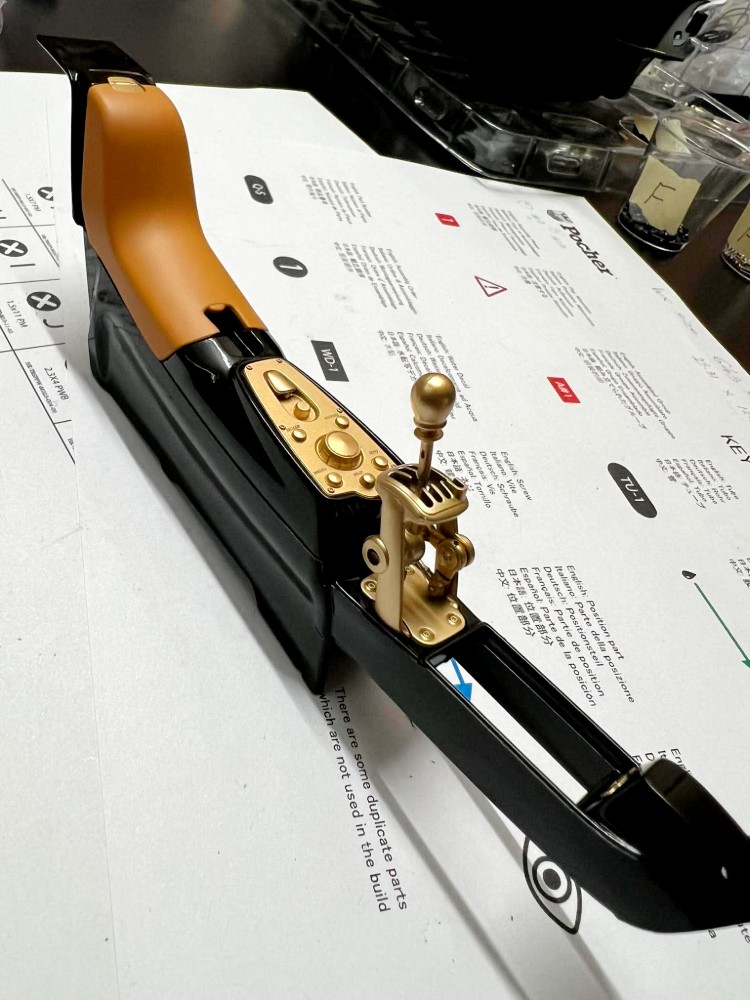
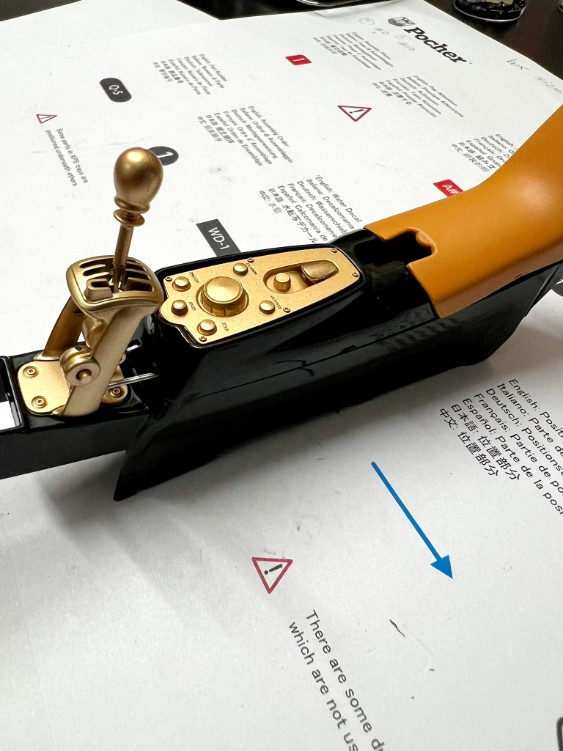
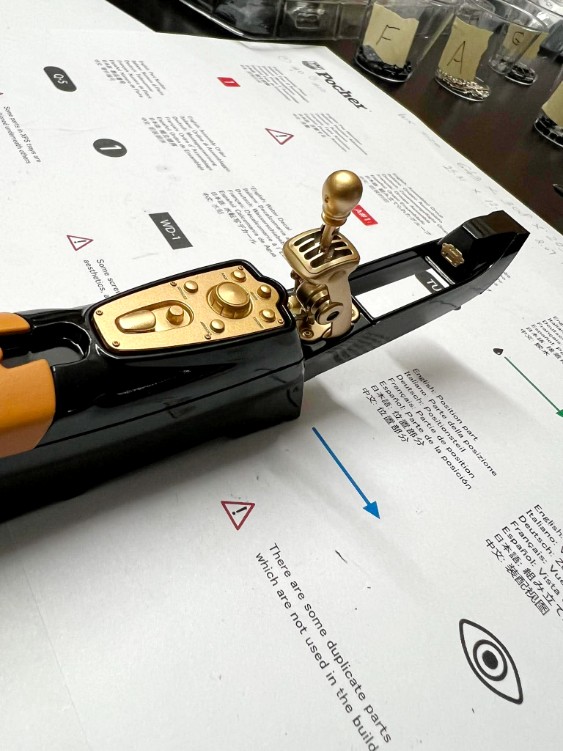
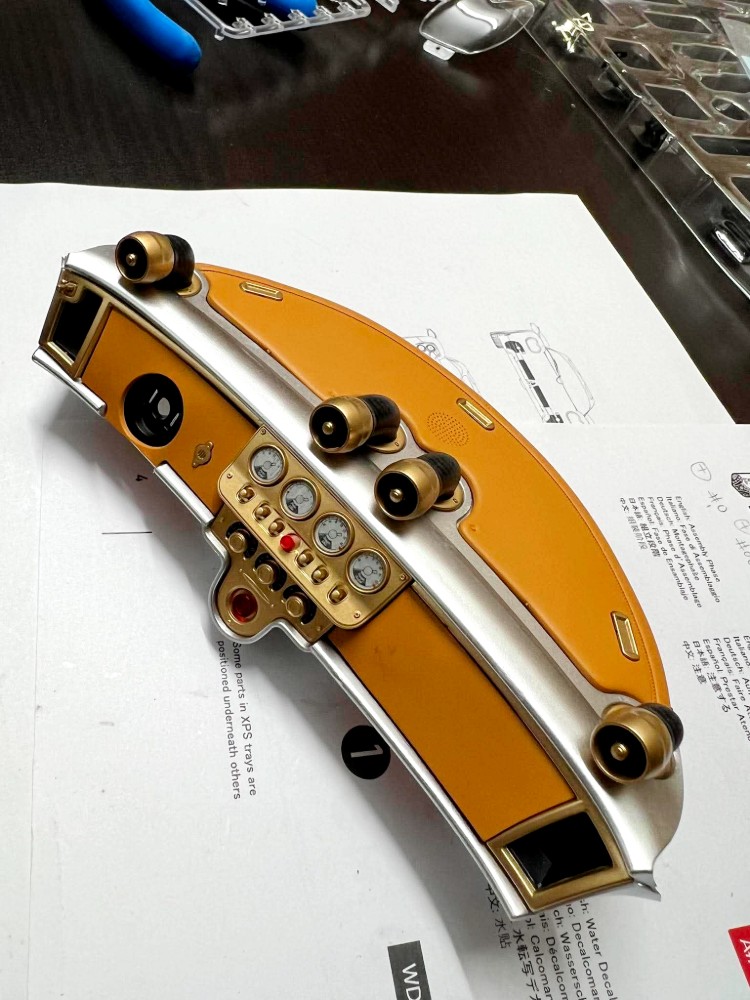
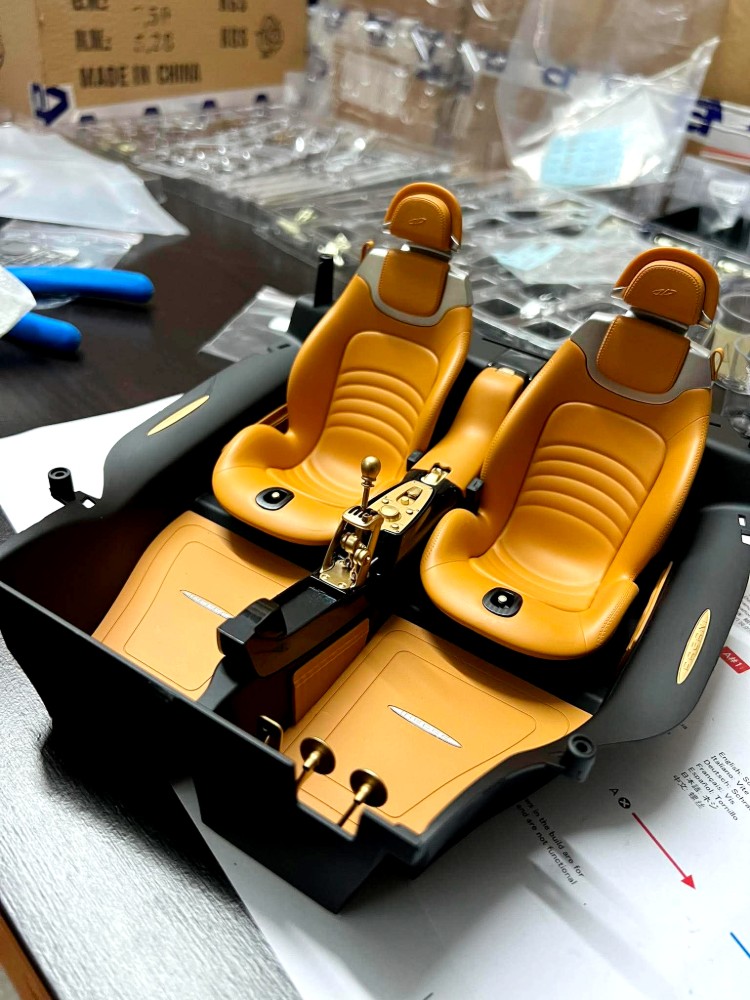
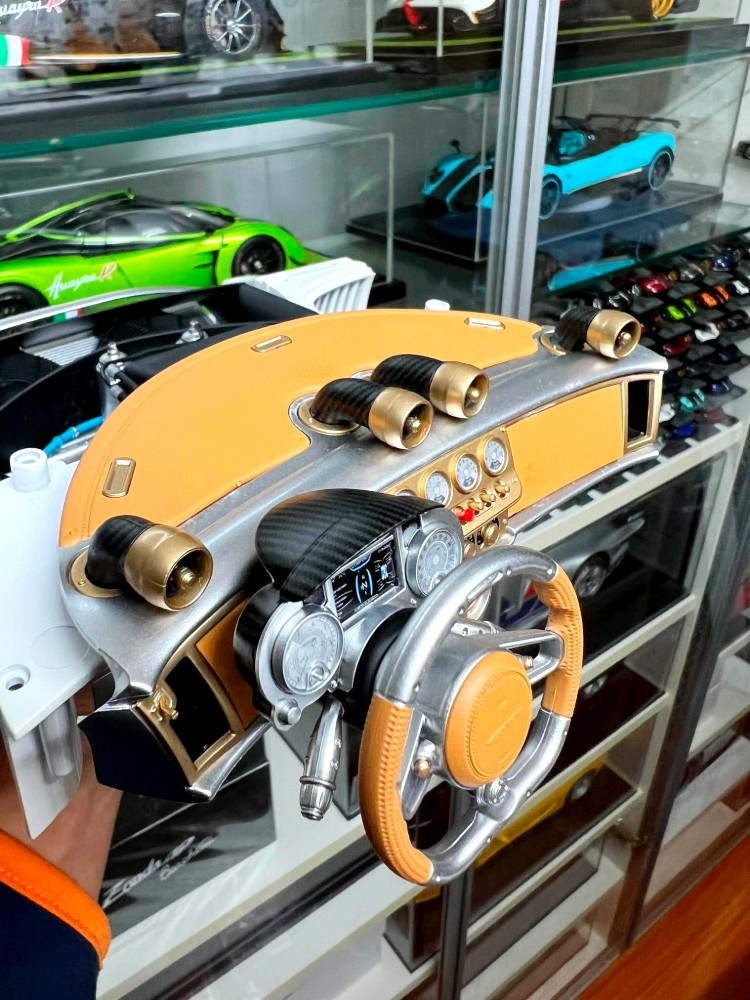
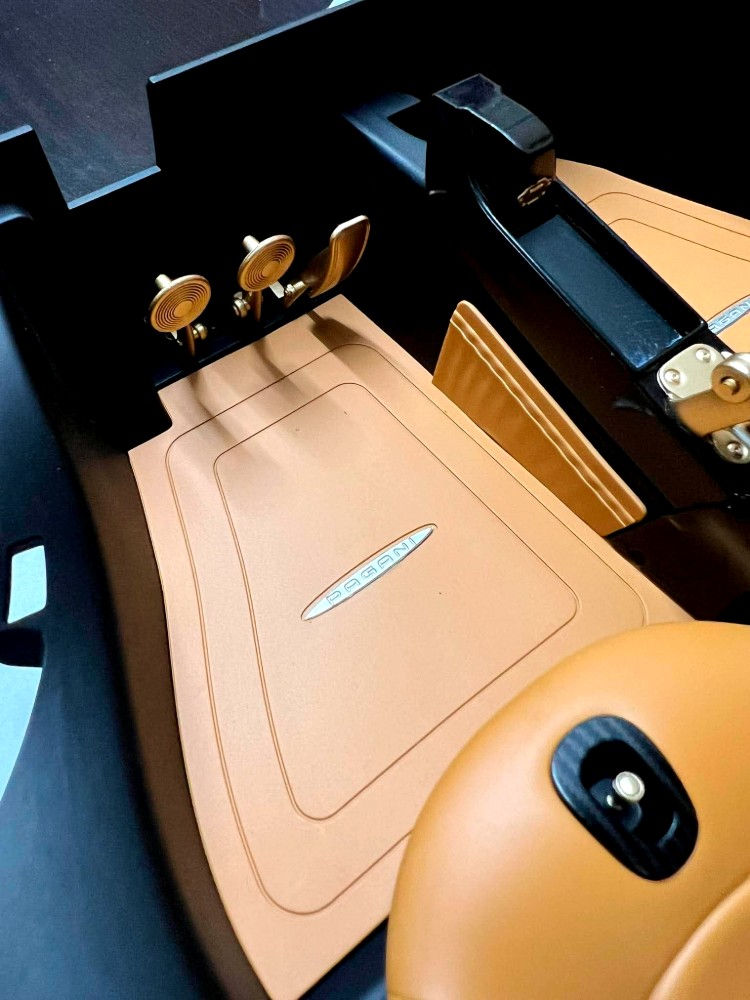
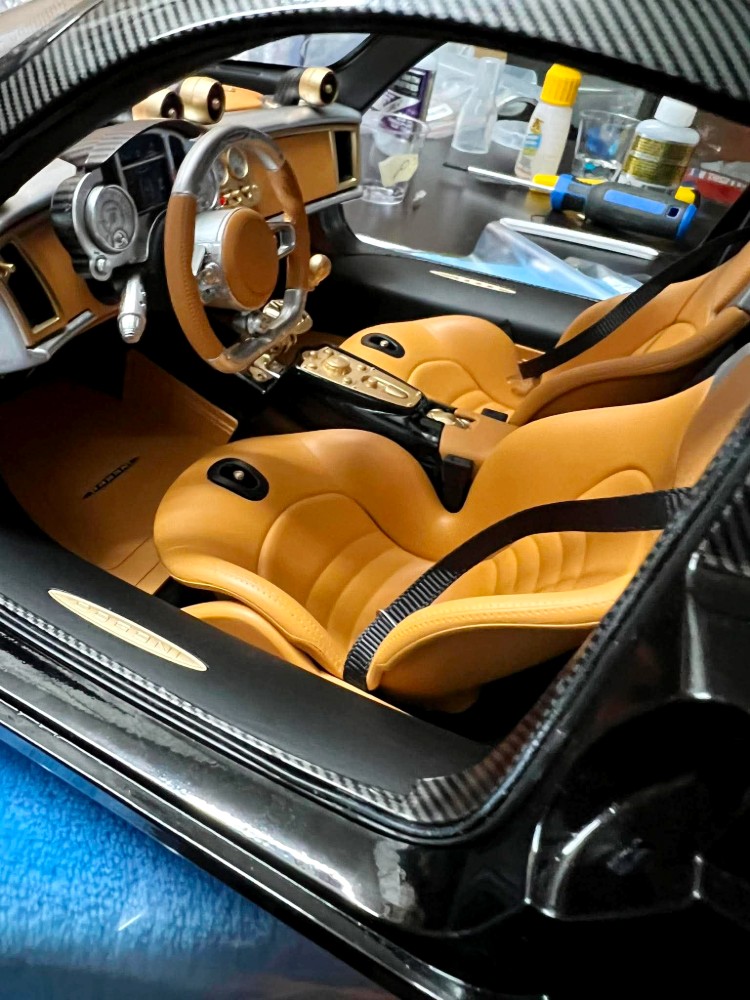
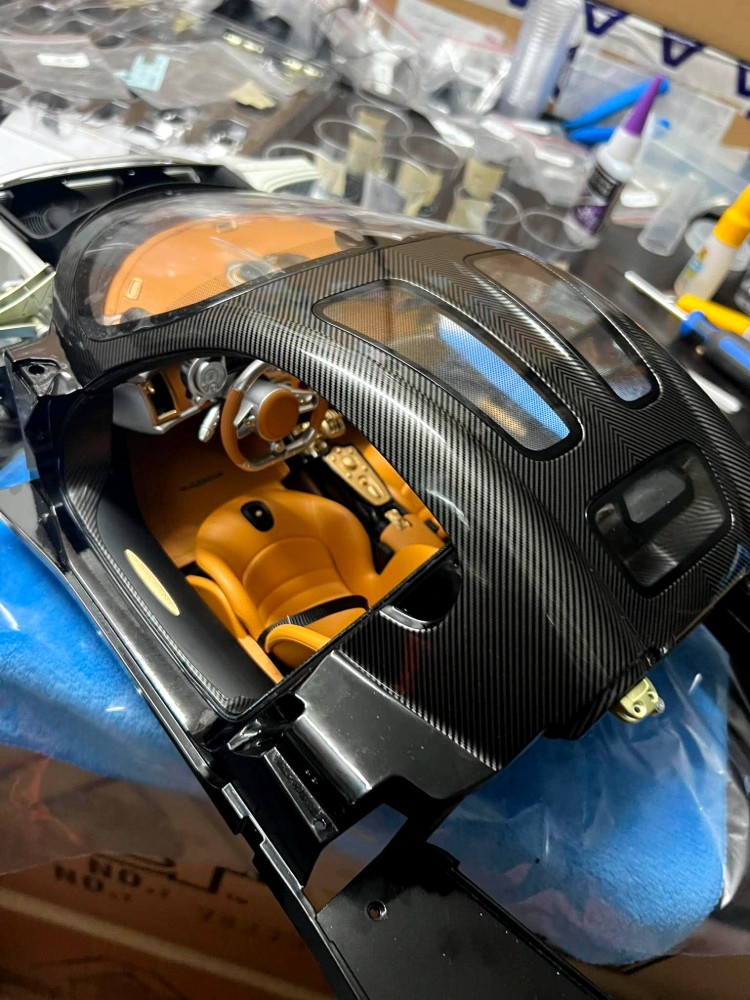
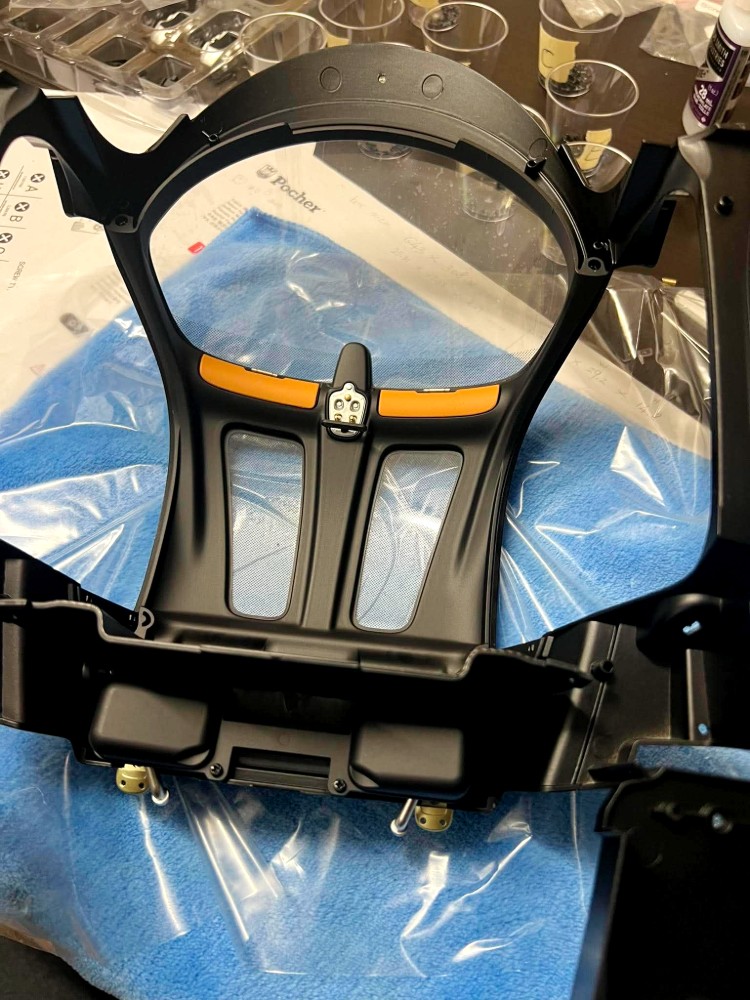
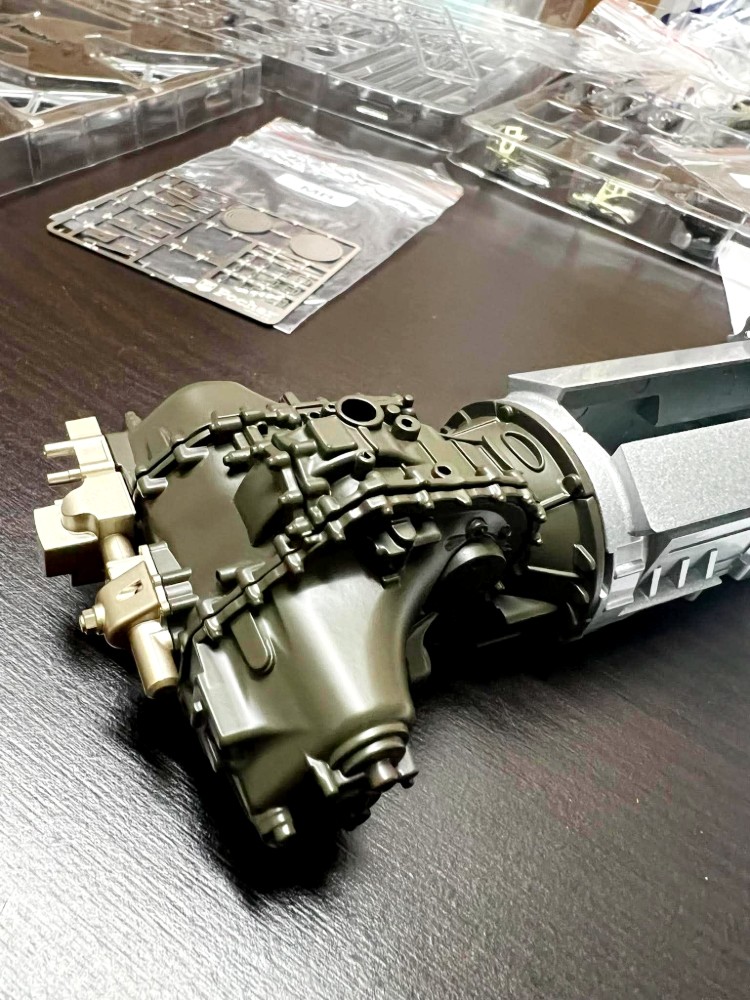
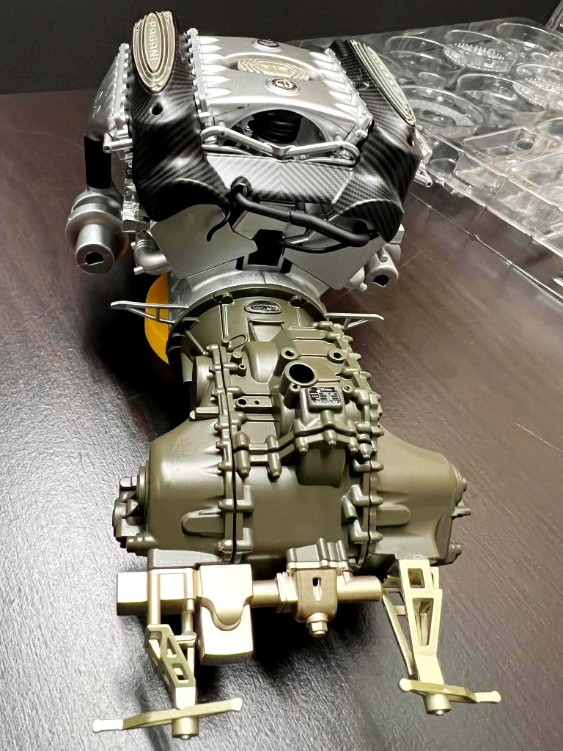
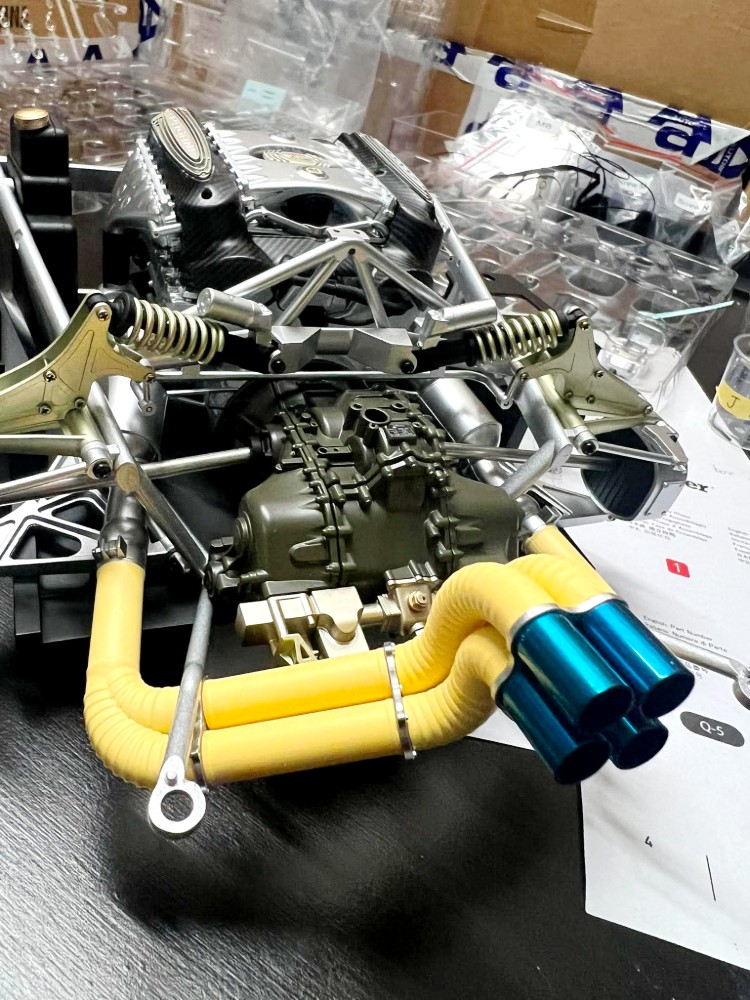
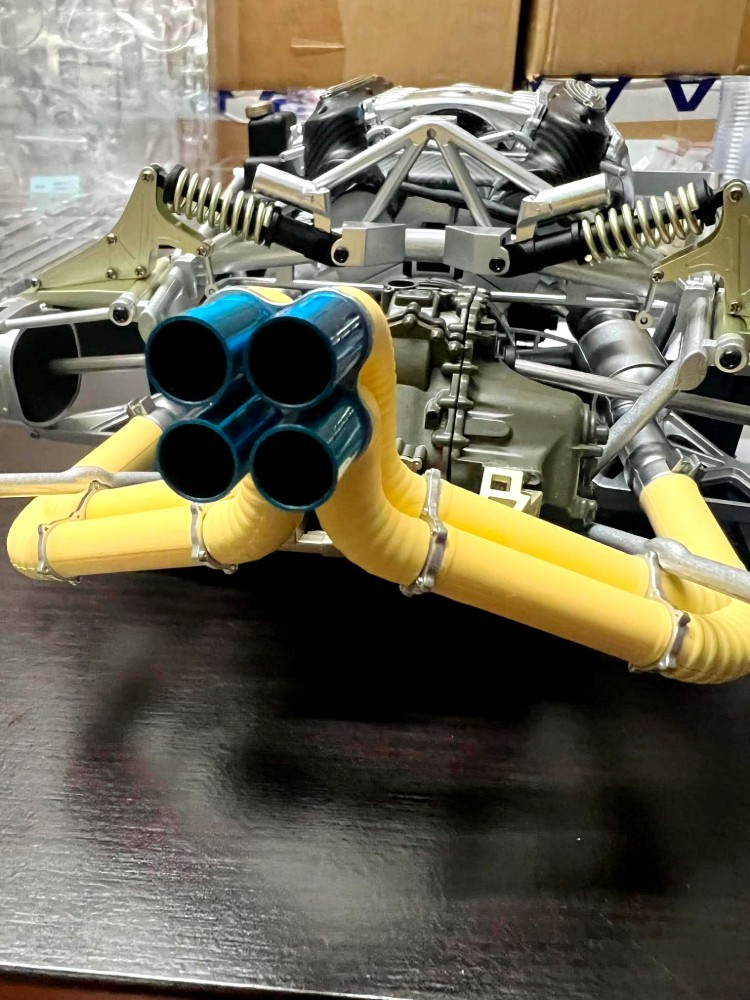
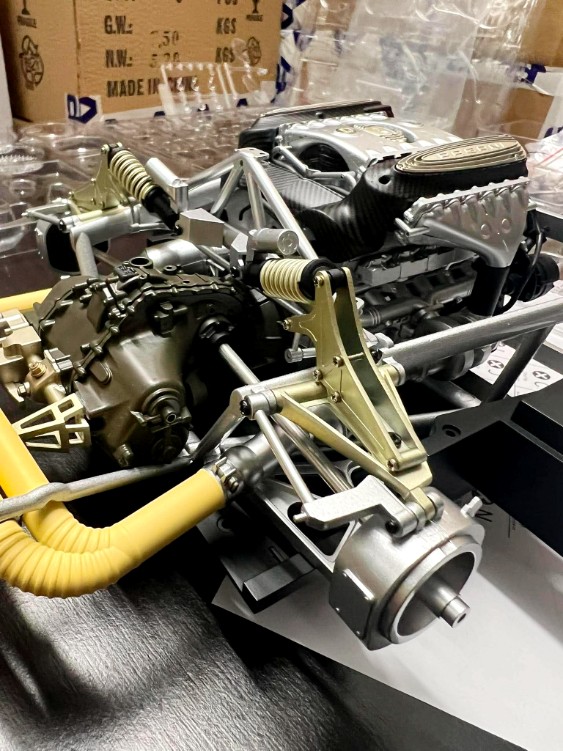
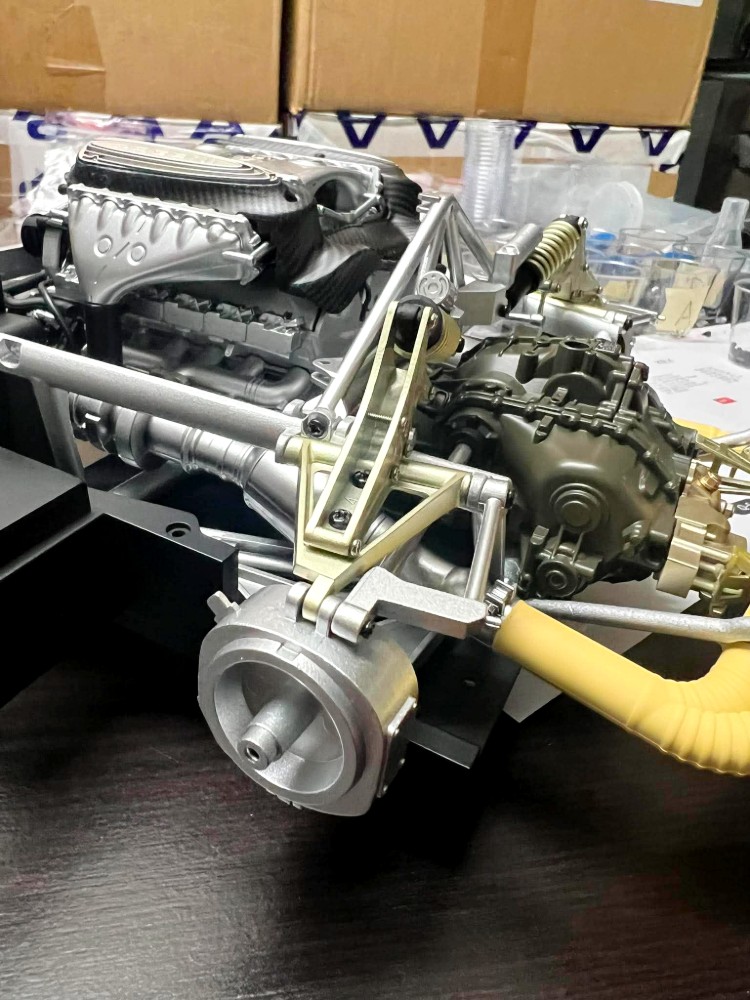
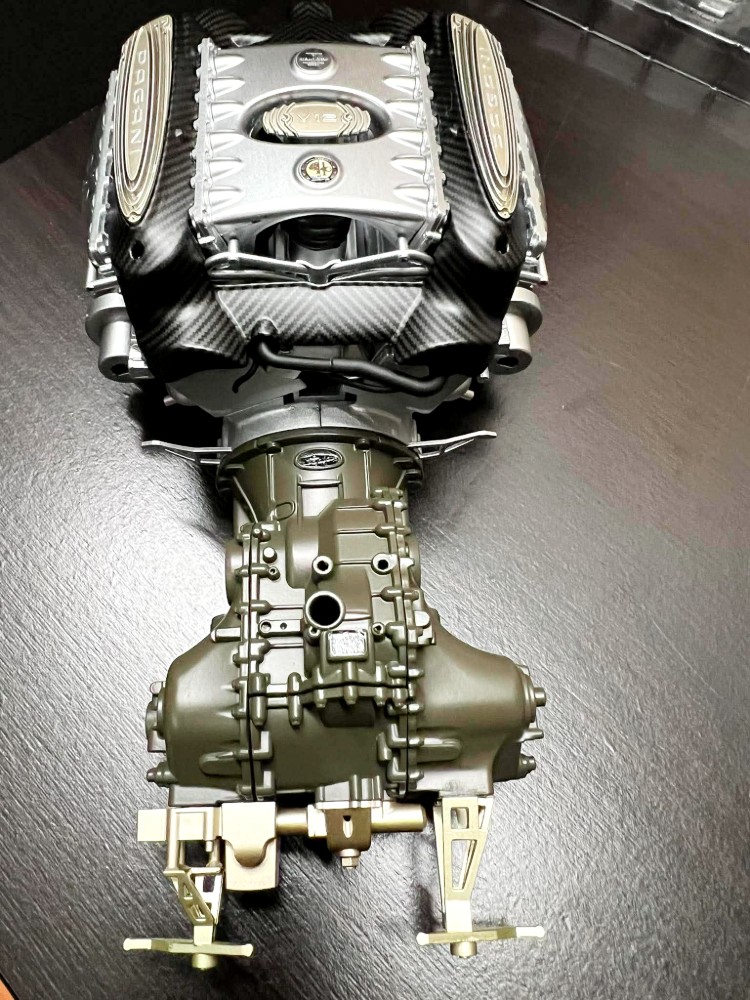
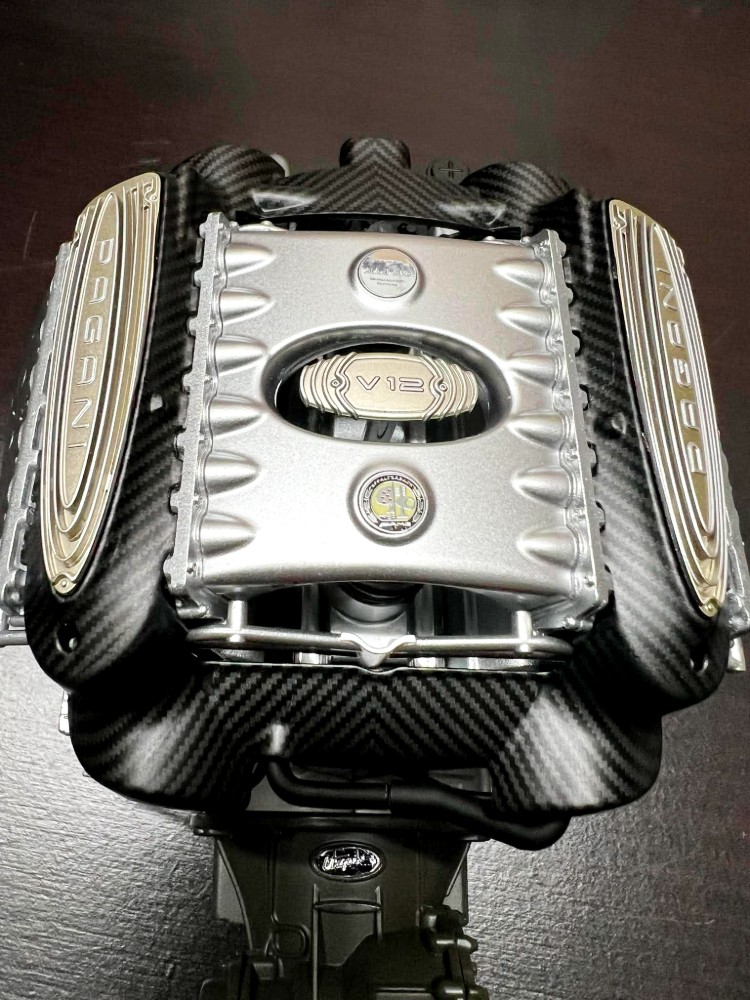
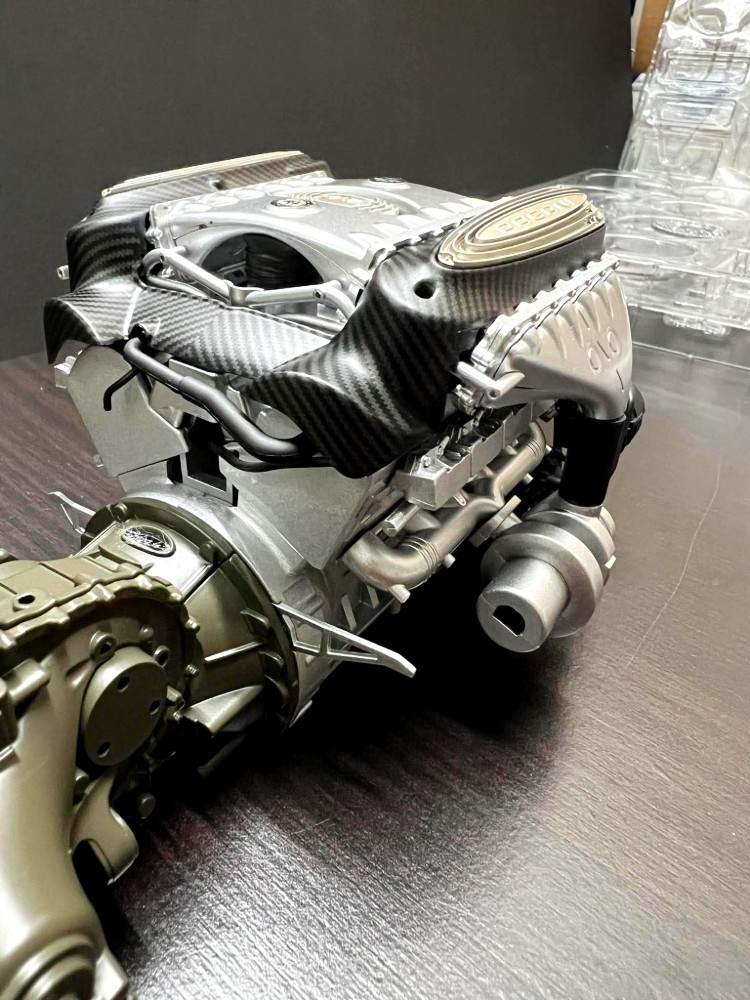
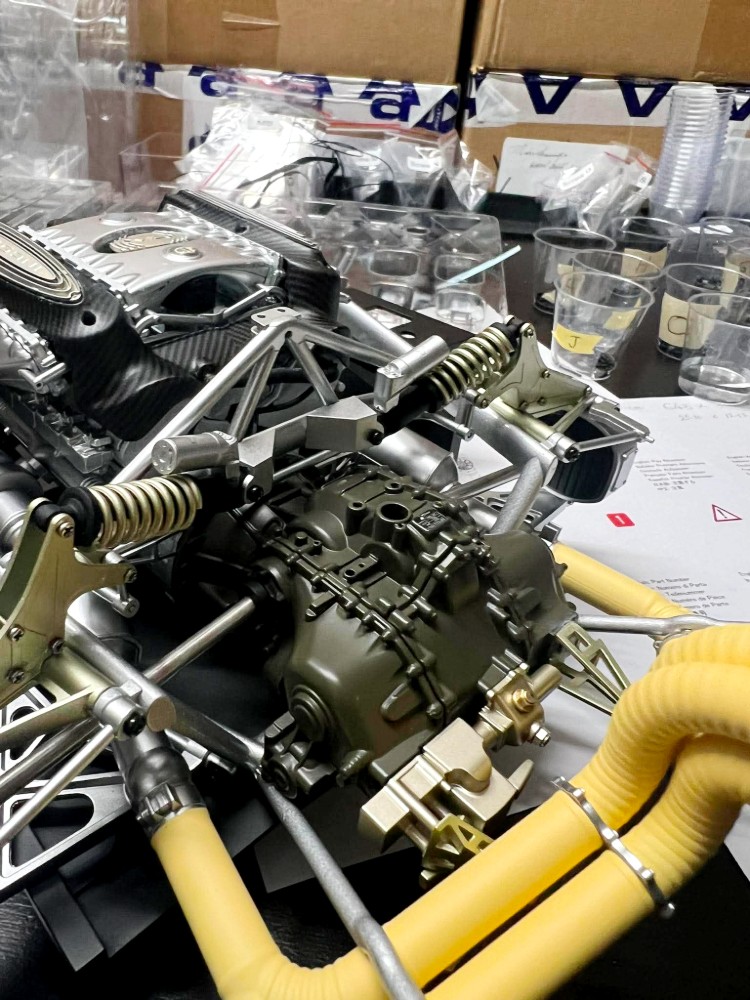
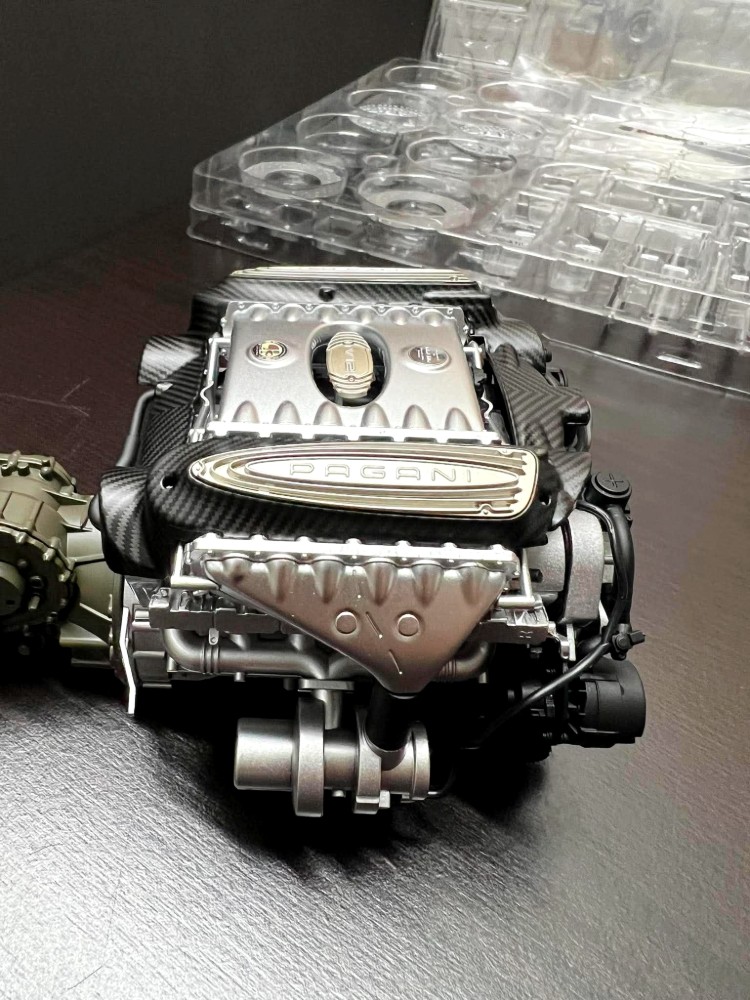
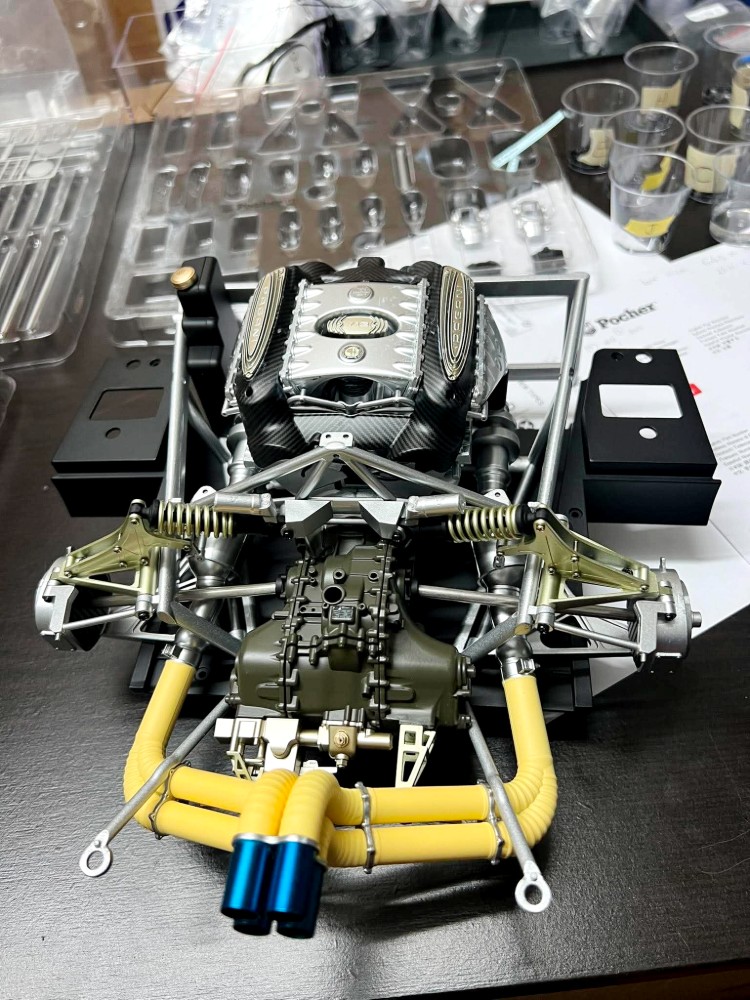
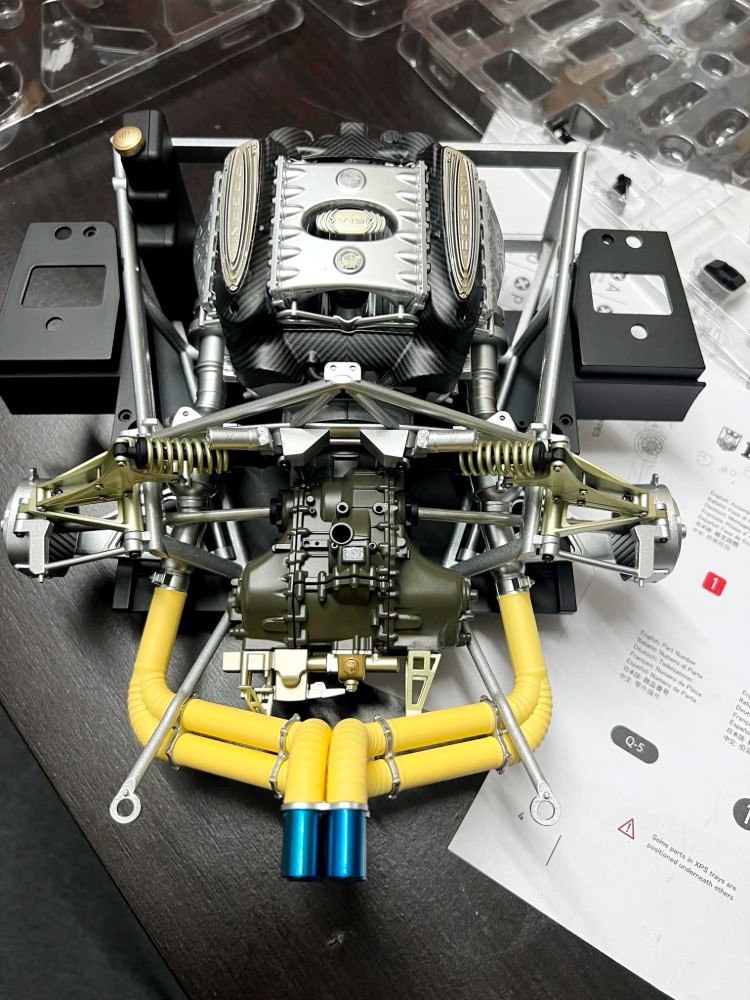
Build Photos:
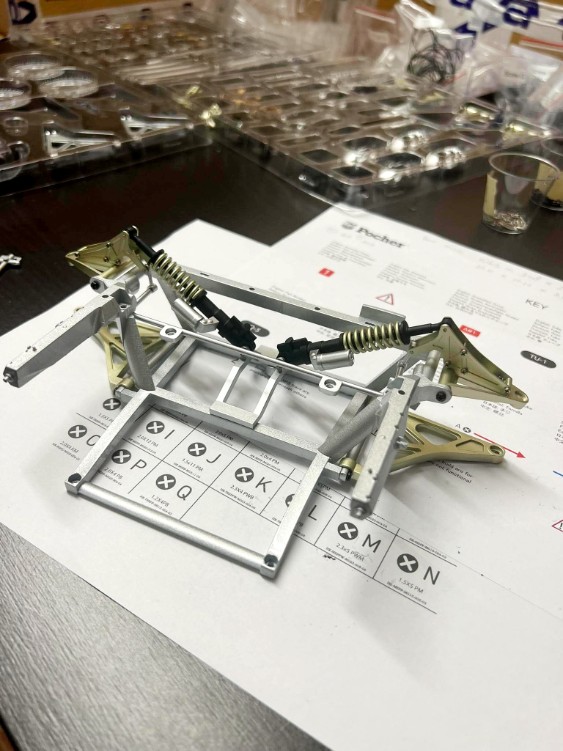
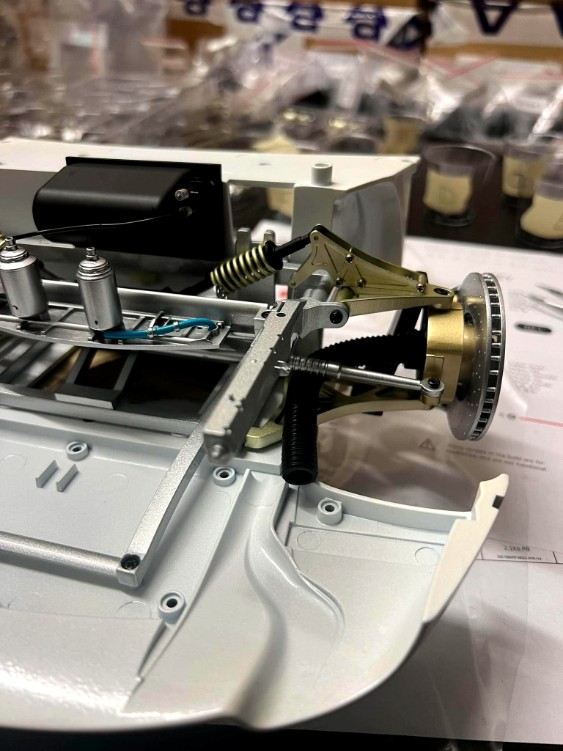

First, thank you for sharing your honest thoughts in your review of the Pocher Pagani Utopia. Not many reviewers are willing to highlight the challenges encountered during both the build process and with the finished product.
For some background, we know Brian on a personal level. He is an avid and passionate collector whose collection is nothing short of incredible. He is also deeply passionate about the Pagani brand, making his perspective on this project particularly meaningful.
It is disappointing to see a model at this price point result in a build experience that appears to be lacking in execution and, ultimately, delivers somewhat subdued final results. We have seen Pocher products firsthand, as one of our team members built their 1:8 Lamborghini Aventador several years ago. While there were some challenges along the way, the overall build experience was positive. A printed instruction manual was included, and the final fit and finish were more than acceptable.
Years later, one would expect the same level of quality and support, but that does not appear to be the case. We can understand the decision to eliminate the physical instruction manual; however, the question remains: why hasn’t the downloadable version been updated to address the known build errors? That would seem like a relatively straightforward fix.
We were aware of some of the issues surrounding this kit when the first examples began reaching the market. In fact, those concerns ultimately led us to cancel our own pre-order through a local hobby shop. Our team even reached out directly to Pocher to acquire a sample for review, offering to purchase it through their local distributor. While initial communication was established, the opportunity never materialised. Whether that was connected to the challenges outlined here remains uncertain, but it does make one wonder.
Overall, it is unfortunate to see a project with so much promise fall short of expectations, particularly when it carries both the Pocher and Pagani names. Hopefully, future releases will benefit from the feedback provided by builders and collectors alike.
I hope AutoArt, Kyosho extend their offer of 1:12, as 1:8 Pocher is little problematic for me (pricy, size)
Especially Ferrari F355, 458 Italia full-open at 1:12. F40 and incoming Countach only – it’s far too less
Although I would agree with most of what is said in this review, in my opinion it misses the mark by quite a margin.
First of all it needs to be pointed that the kit costs over 1300 CANADIEN dollars. In US it would be under a $1K delivered. Second, the high price regardless of currency is due only to its size and exclusivity, not because of some premium level of quality. The kit is a giant Bburago. As Pocher kits have always been since the ’80s. They were expensive giant Bburagos when Rivarossy was the brand that made Pocher in the late ’80s. They were expensive giant Bburagos when Testor’s bought the brand and was producing Pocher kits in the ’90s and they are still expensive giant Bburagos nowadays when they are revived and produced by Hornby in Britain. Nothing has changed. A premium kit would be a Model Factory Hiro kit from Japan.
The detail on this kit, especially the engine is horrible. The engine block is a generic shape metal blob with zero detail engraving. An AMT 1/25 plastic model from the ’60s would have better sculpted and detailed parts. The turbos/collectors are also some generic shape that looks nothing like the parts on the real car. And the real white Utopia this kit is supposed to represent is local to me. together with four other Utopias that I have access to. The entire engine cooling, turbo cooling, transmission cooling, and all oil supply systems to these groups are completely missing from the kit. Nonexistent. I would actually prefer if there were even less screws in the kit. First because they create a highly inaccurate assembly points and second because they look very much toy like with their black Philips heads. The kit is missing a huge amount of essential decals for no reason. Some of marking are even seen on parts in the instructions, but have no such markings and no decals provided for them.
Having said all this, it is a great kit if approached with proper expectations. There is an e-bay store based in California called pocher philes forum. They offer their own set of instructions and trouble shooting guide combined with additional detailing instructions and suggestions. I would highly recommend to anyone who wants to venture into building this kit to invest the $39 for the instructions. Well worth it. It will give you lots of reference material and not only explain the reasons for misalignments and panel gaps in the kit, but also guide you how to rectify them. They also offer a set of couple of decal sheets with a ton of the missing markings and labels that will add detail and realism to your kit. I am not associated with them in any way, but I am impressed by the amount of effort they have put into their guide.
So, if you are contemplating getting this model, I say go for it. But you need to go in with the clear understanding that it will not fall together like a LEGO and then deliver an Amalgam level of a model. IT IS NOT A PREMIUM KIT. But it can be made to be a premium model. Not without a lot of extra work and expense however. At a bare minimum get the troubleshooting/detailing instructions from e-bay and you will be good.
“They were expensive giant Bburagos when Testor’s bought the brand and was producing Pocher kits in the ’90s, and they are still expensive giant Bburagos nowadays”
Having seen their recent kits in person, the above might be a bit harsh, LOL.
$800 to $1,300, the experience leaves a lot to be desired. They fail to disclose that buyers will need to modify parts just to get them to fit properly. While we didn’t run into these issues with their Aventador—perhaps we just got lucky—the overall feedback from the community has been overwhelmingly negative. At this price point, a clear disclaimer regarding fitment issues should be mandatory, as the final result simply doesn’t justify the cost.
I believe the main issue with these models has not changed the slightest bit in the last three decades. And the problem is not as much with the models themselves, but with the consumer and as I said before the expectations. It’s the crossover between different markets. What I mean is the crowd these models target. Which is kind of neither here nor there. There has been this divide between model COLLECTORS and model BUILDERS. It’s almost like these two crowds don’t mix. I am one of the very very few people out there who are avid long time die cast model collectors and experienced competition level model kit builders. Few years back the hobby experienced this same divide between die cast metal fully open models and the resin crowd. The gap between those two crowds is smaller our days, but it is still there.
Pocher attempts bridging the gap between the die cast collectors and the model kit builders. And this venture in my opinion will always be a recipe for failure. Well, sort of. Because the model builders will always look down on the details these models offer, which is generally poor. If you take apart an Almost Real, LCD, BBR or AutoArtmodel even, you would discover how poorly detailed their parts are. At least from a model builder’s point of view. Because they are designed to only show what’s visible as complete assembly and to hide everything else. They play with angles of view.
At the same time the die cast model collectors will never be happy with these either, because they expect to receive a perfectly finished final product straight out of the box with minimal effort. And they compare what they end up with to what they can buy already finished for the same price. Well not quite, because making something in 1/18 is not the same as making it in 1/8.
Overall these models are actually a good value. Considering their size, all the pre-painted and finished pieces and the amount of detail, their price is actually not that bad. Especially considering that the average sealed resin model from BBR in 1/18 is about $500-$600 and it is still made in China. So it is all relative.
I know it sounds harsh and it may not be what everyone wants to hear, but these 1:8 scale die cast metal model kits (especially the Pochers) are meant to offer a giant mediocre model while giving the average mediocre model collector a shot at the bragging right that he put it together himself. And they are making a good business out of it. But the models are not up to snuff for either crowd. They just are not. And I don’t think they are meant to be. The average Pocher buyer is neither you nor me. It is a retired old man with disposable income and too much time on his hands who couldn’t care less if he’s building a Pagani, a Ducatti or a John Deer tractor, as long as it keeps him busy and entertained. And he couldn’t care less if the turbos on his Pagani look more like the plumbing under his kitchen sink than a tuned AMG perfection. He doesn’t care about inconsistent panel gaps because you can’t see it from five feet away collecting dust on top of bookshelf. Because he has something to brag about afterwords, unlike his friends who spent the same time playing Bingo at the church hall.
Comparing these models to either high end Tamiya plastic kits or to LCD’s Latest Huayra R is just comparing apples and oranges. they are not meant to be compared. $350 BBR sealed resin Ferrari model in 1:43 vs $250 LCD Huayra Imola in 1/18?
$1000 Hot Wheels 1/64 car vs $600 1/18 CMC model?
$200 Almost Real 1/64 Zonda R vs $280 AutoArt 1/18 Huayra Roadster?
$1800 MFH 1/12 F1 model kit vs Tamiya’s 1/12 288 GTO masterpiece finished for $600?
I can go on and on… These are incomparable models that make zero sense. And Pocher models are same way. They are what they are and have their own following. For whatever reason. We should not try to mold them to whatever standards we have for different type of models. They are their own genre.
So 1:12 Tamiya wins with Pocher 1:8 in details ? Currently they sell 1:12 Mini Cooper 1.3i only.
I was referring to the prebuilt Tamiya Ferraris. The Enzo and the 288GTO in 1/12. Both of those are considerably better models than any Pocher could ever hope to be. The Enzo comes in a kit form too. I have the Semi(mostly) assembled one, so I am not sure if the kit is prepainted. As far as Tamiya 1/12 models go, all of them are far superior to this Pocher. But they are true model kits. You would need to debur, sand, glue, paint and detail every part of it. Their F1 cars are amazing.
I built the Pocher Lamborghini Aventador about 12 years ago. it was an involving task, but enjoyable enough as this one did not need ANY gluing of parts. The only parts that had to be “stuck” to the body were the windshield and rear quarter “glass” and readily cut 2 sided tape was supplied with the kit. It is unfortunate that panel gaps would be inaccurate and fitting would be less than ideal as the Aventador went together with very minor adjustments and looks great displayed. I suppose quality control went down in the last few years. Calling the Aventador a Big Bburrago is inaccurate, it might not be an Amalgam, it highly probably isn’t as I’ve never seen those, but it has good level of detail, the engine block looked reasonably good I have to say the rear half shafts are really that HALF shafts (the parts you can see from the bottom of the more than 20lb car). Another detail would be to have flocking for the carpeting inside the car… Autoart and many other 1/18 cars have it. So in the end, for the Pocher Aventador it was a nice build. A buddy of mine built the Pocher Huracan and it was a better detailed kit than the Aventador as some of the Aventador shortcomings were corrected… So there is my take on these.
Thanks for the feedback. We echo the same with Lamborghini Aventador build.