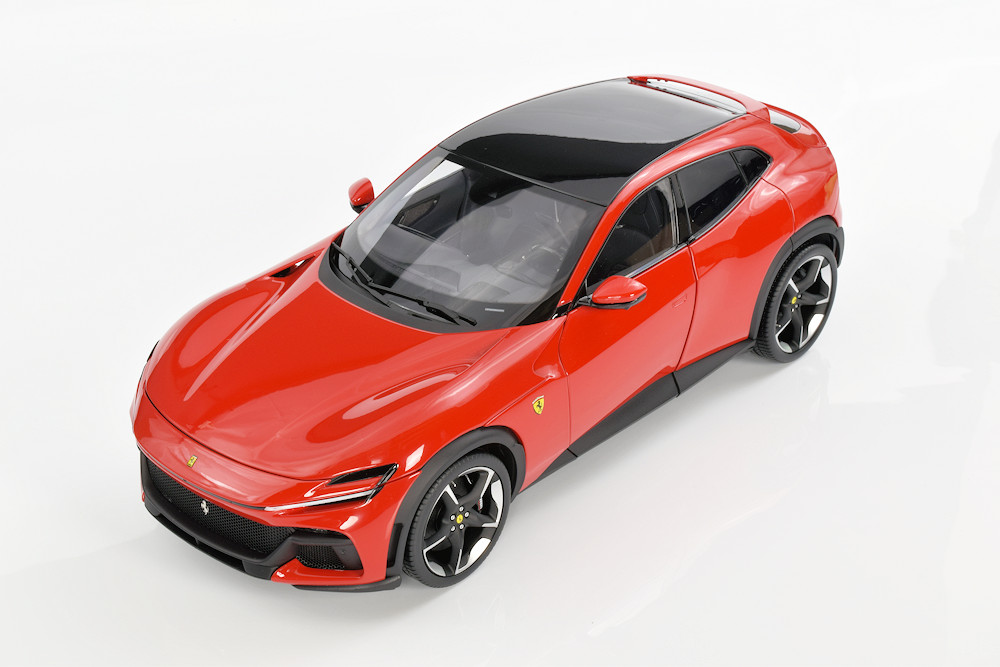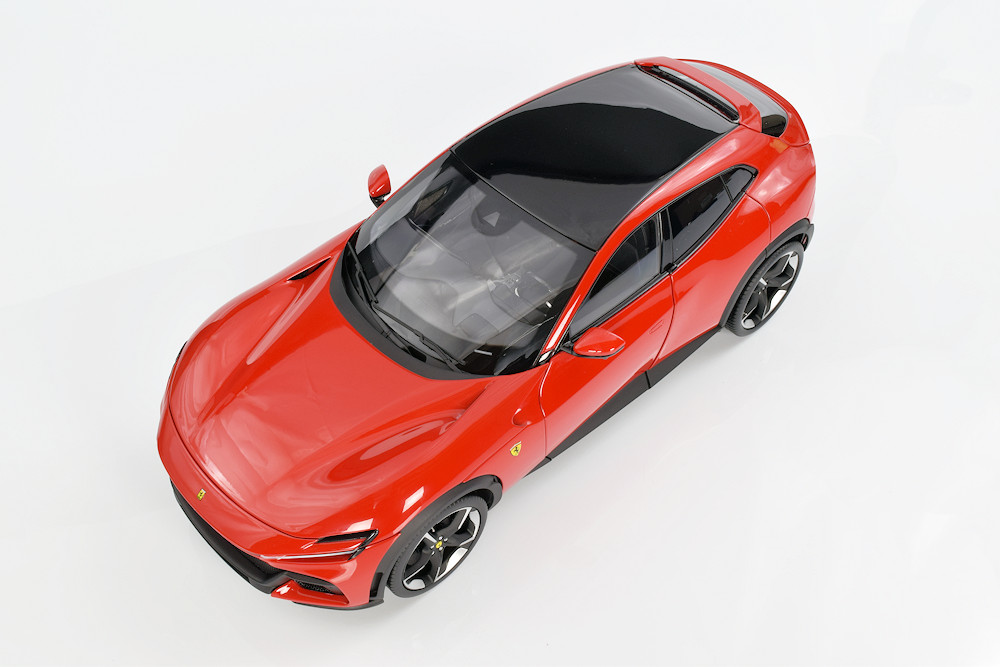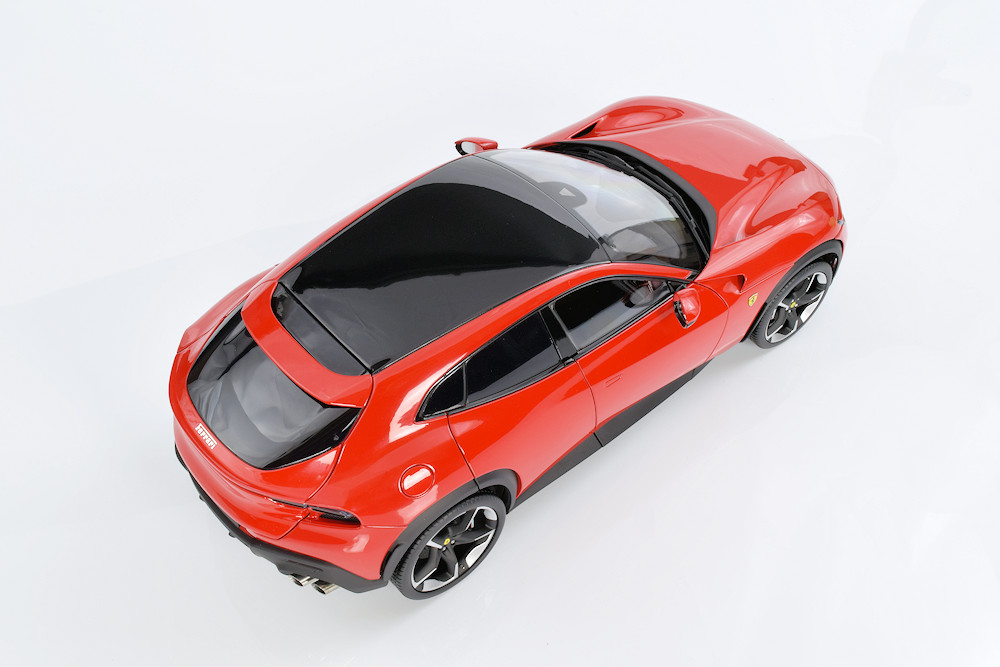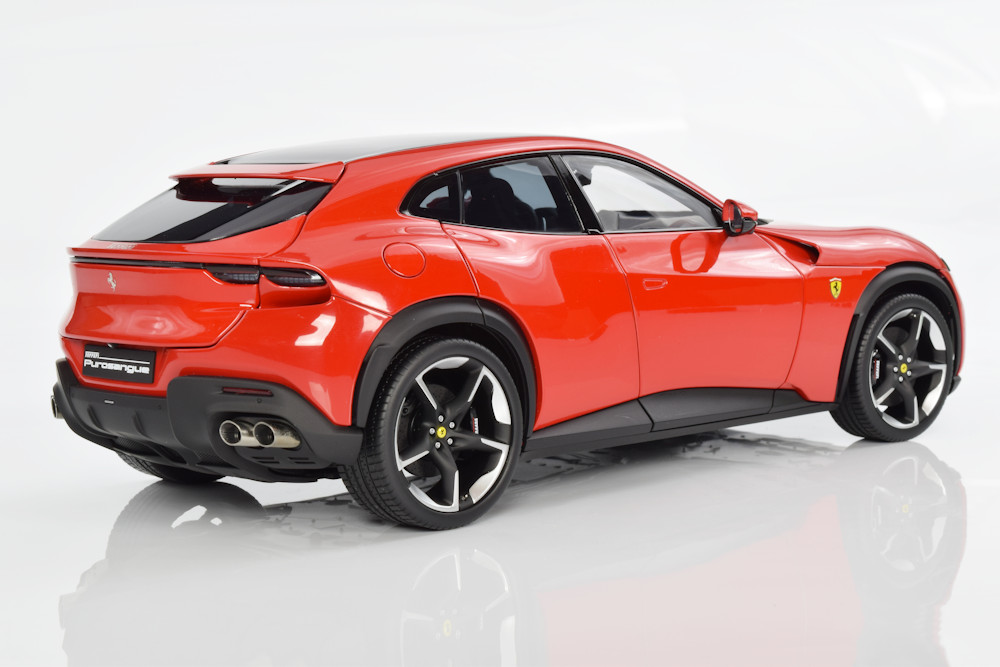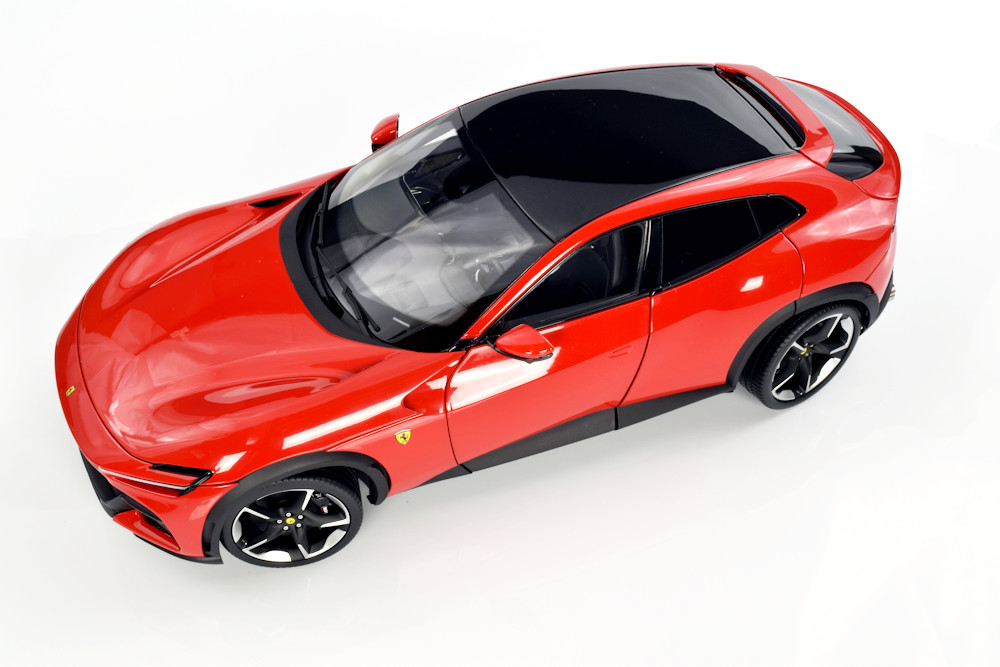

The Ferrari Purosangue (meaning “thoroughbred” in Italian) is the Maranello marque’s first-ever production four-door, four-seater vehicle. Unveiled for the 2023 model year, Ferrari deliberately rejects the “SUV” label, framing it instead as a high-riding, front-mid-engined sports car built on an all-new aluminum chassis. At its heart lies a traditional, naturally aspirated 6.5-litre V12 engine sending 715 horsepower and 528 lb-ft of torque to all four wheels via an 8-speed dual-clutch transmission. This setup hurls the 4,400-lb crossover from 0 to 100 km/h (0–62 mph) in just 3.3 seconds, reaching a top speed in excess of 310 km/h (193 mph).
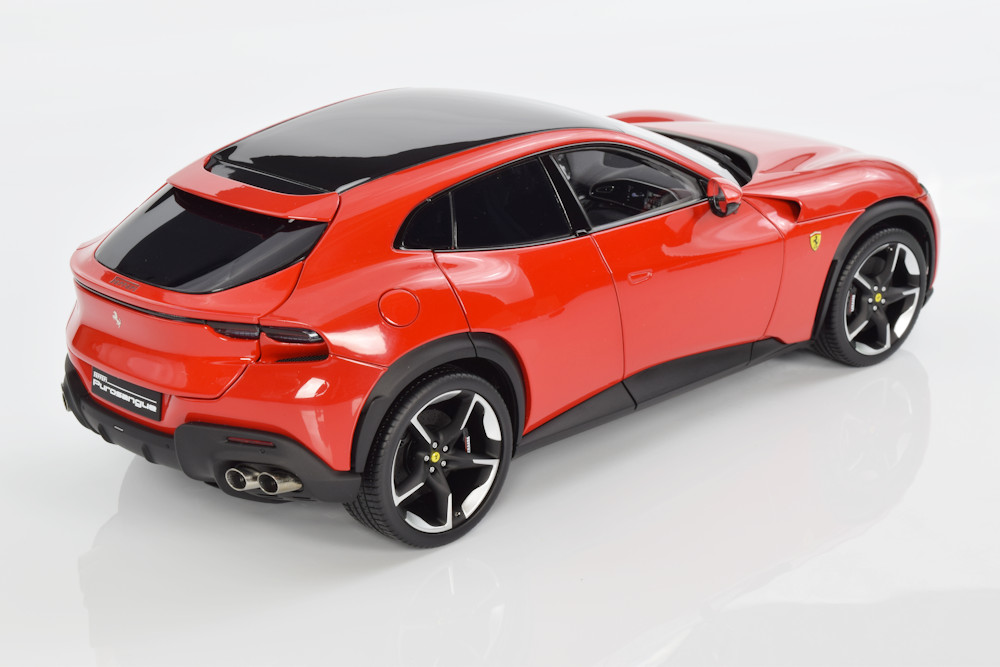
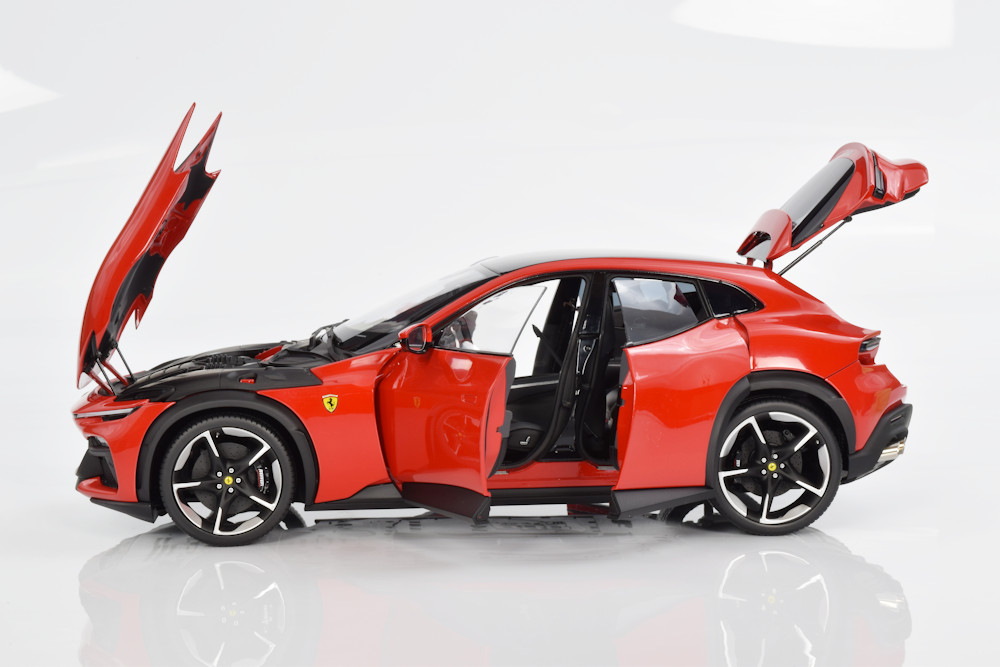
Visually and dynamically, the Purosangue sets itself apart with rear-hinged “welcome” doors (suicide-style rear doors) that retain a sleek fastback silhouette while providing easy entry to four individual bucket seats. Engineering highlights include a sophisticated 48-volt active suspension system developed with Multimatic that actively suppresses body roll during aggressive cornering without compromising ride comfort. Combined with near-perfect 49:51 weight distribution and four-wheel steering, the Purosangue balances daily usability and cargo space with authentic V12 supercar dynamics.
The Ferrari Purosangue remains a somewhat controversial release among marque purists. The underlying question is simple: why does Ferrari need an SUV? The short answer: pure profitability and soccer mom accessibility!
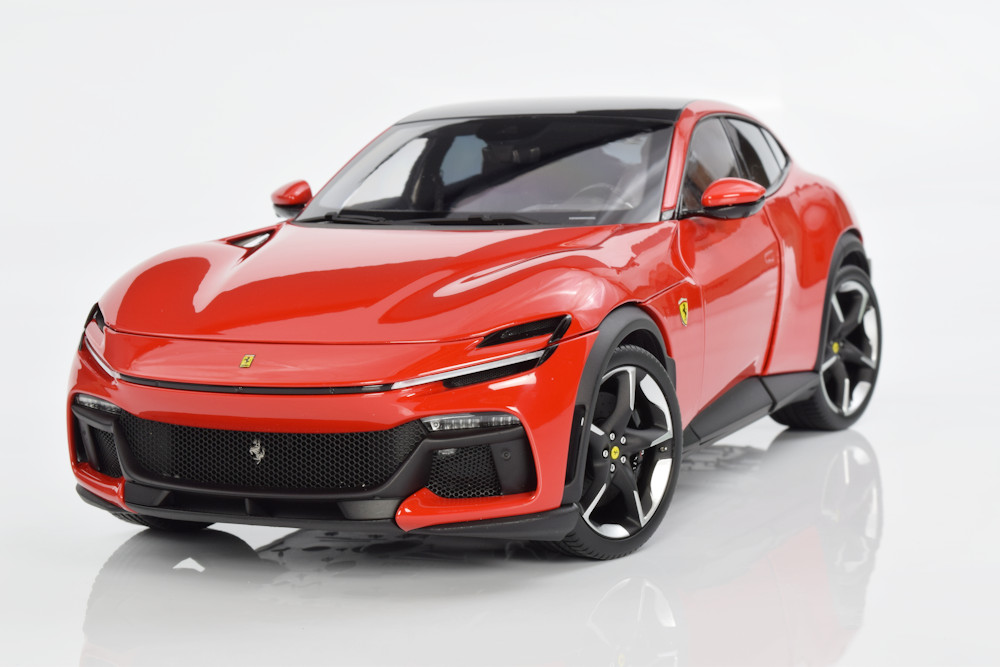
Personally, I was on the fence about adding the Purosangue to my collection. As a mild Ferrari collector with 66 models—all finished in red, I might add—I wasn’t sure it fit. What finally sold me was an episode of Throttle House that broke down the Purosangue’s engineering and active suspension technology. Stripped down to its core, it is an astonishing piece of machinery.
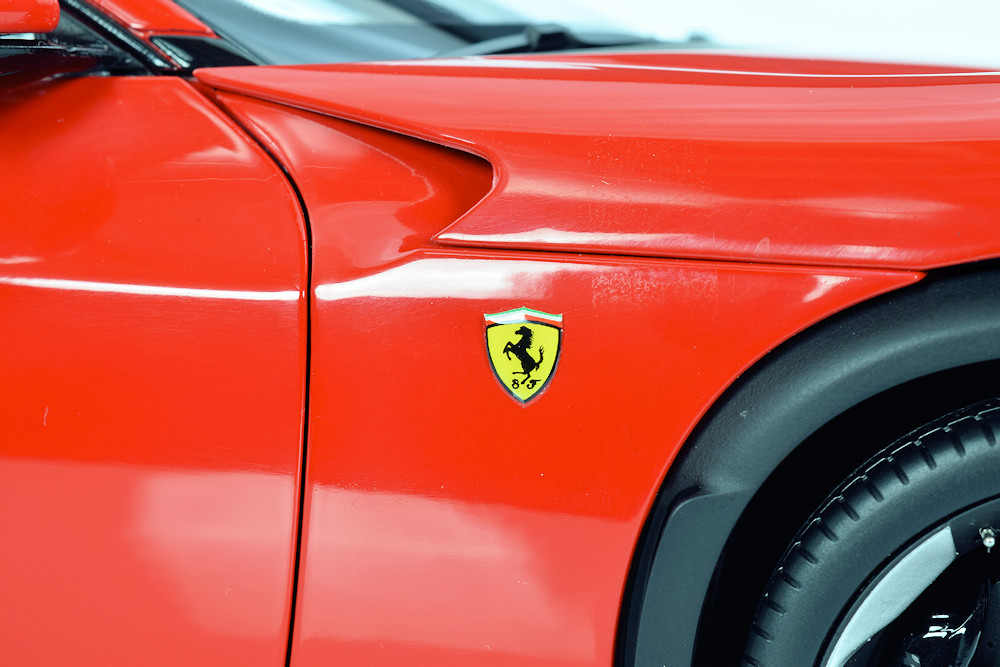
This review was originally scheduled to hit much earlier in the year, but holding out until November was a deliberate choice: I waited specifically for the Red with Black roof combination, which was released later in the production run. As most collectors know, getting concrete timeline updates from BBR can feel like pulling teeth; communication and verified delivery dates aren’t exactly their strong suits. Nevertheless, the model finally arrived in mid-October.
I have zero need for superfluous filler or fancy display cases. My example arrived in a straightforward styrofoam shell within a standard outer box. Simple packaging works well, as it keeps overall costs down. All told, this model landed at approximately $559 CAD. There’s no sugarcoating it—that is a significant investment.
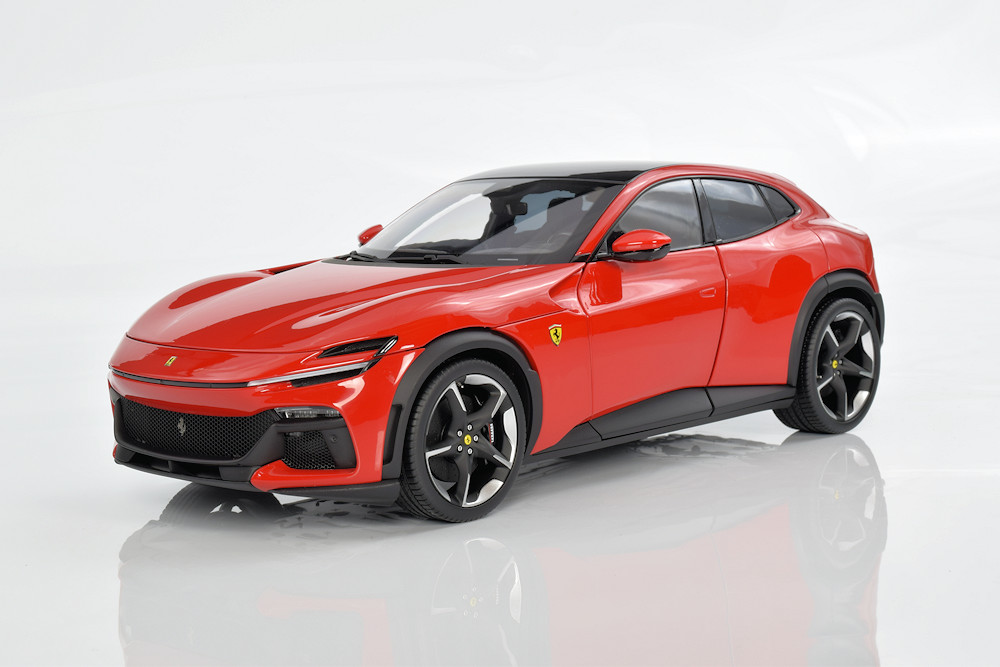
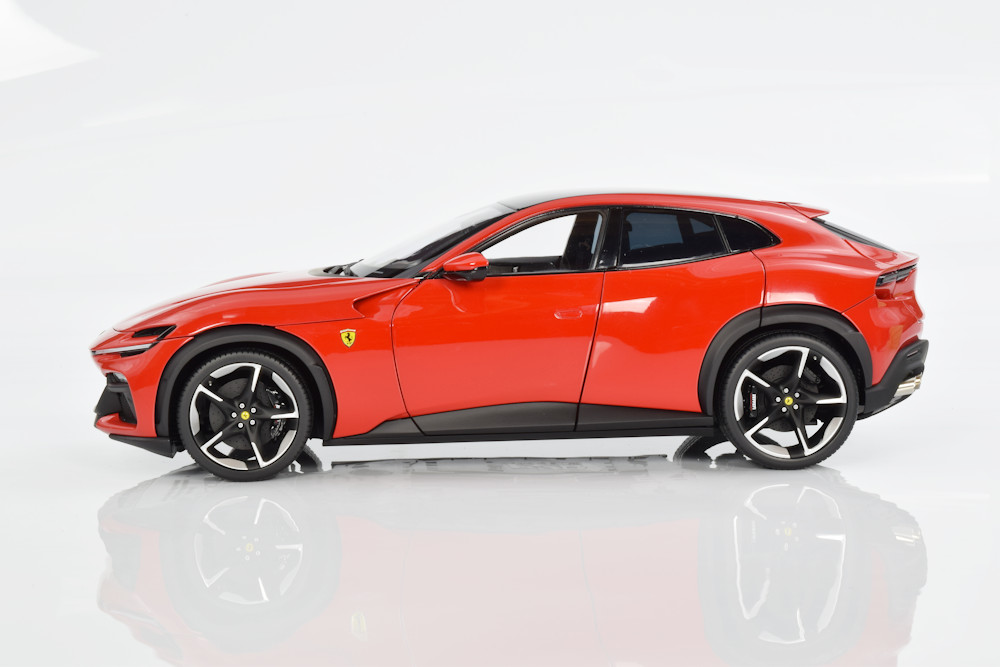
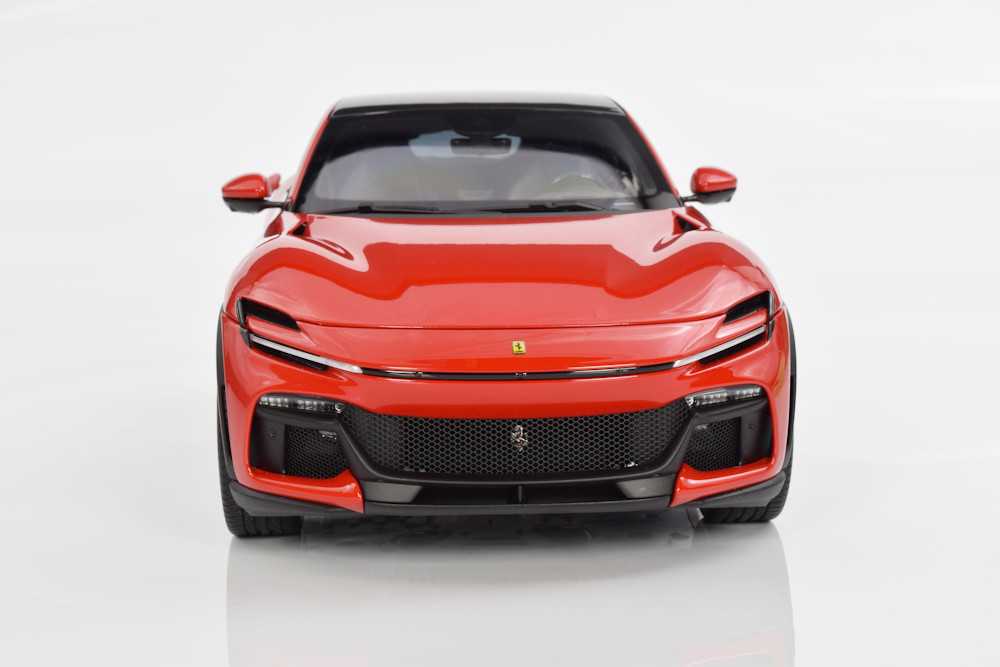
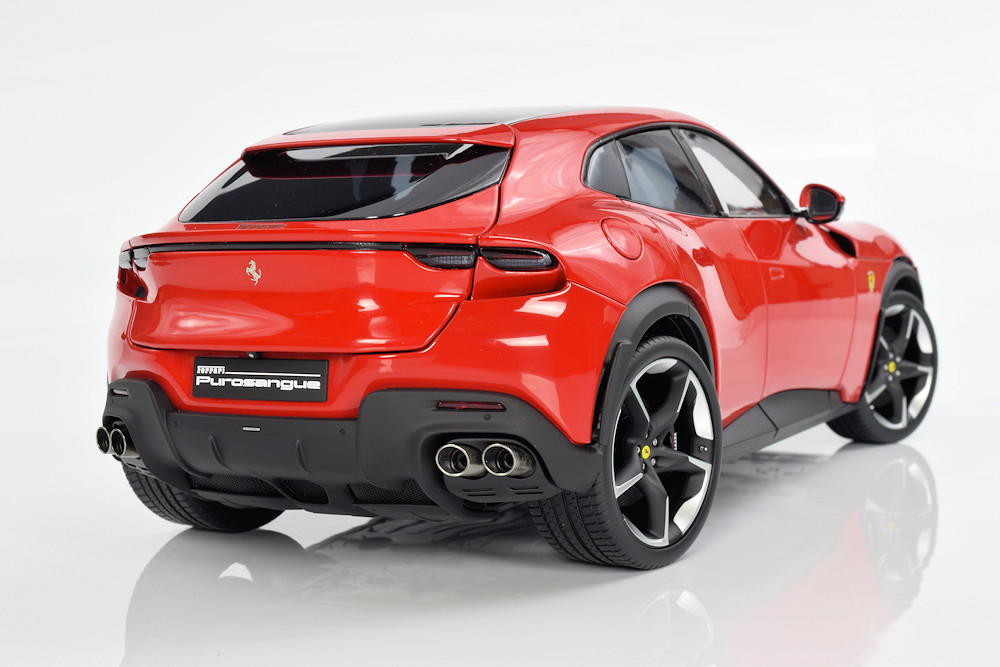
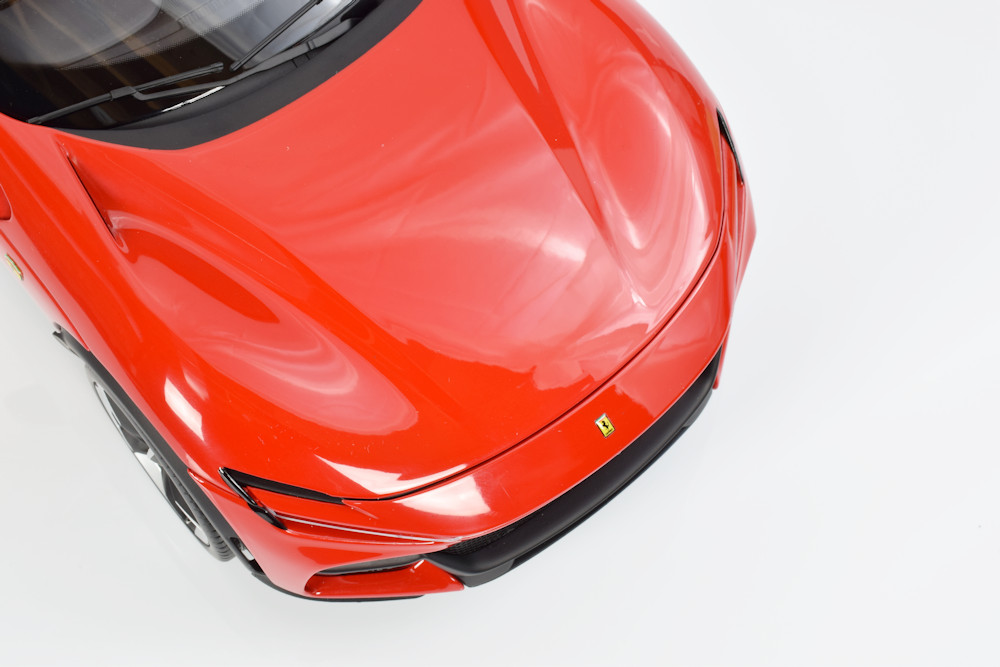
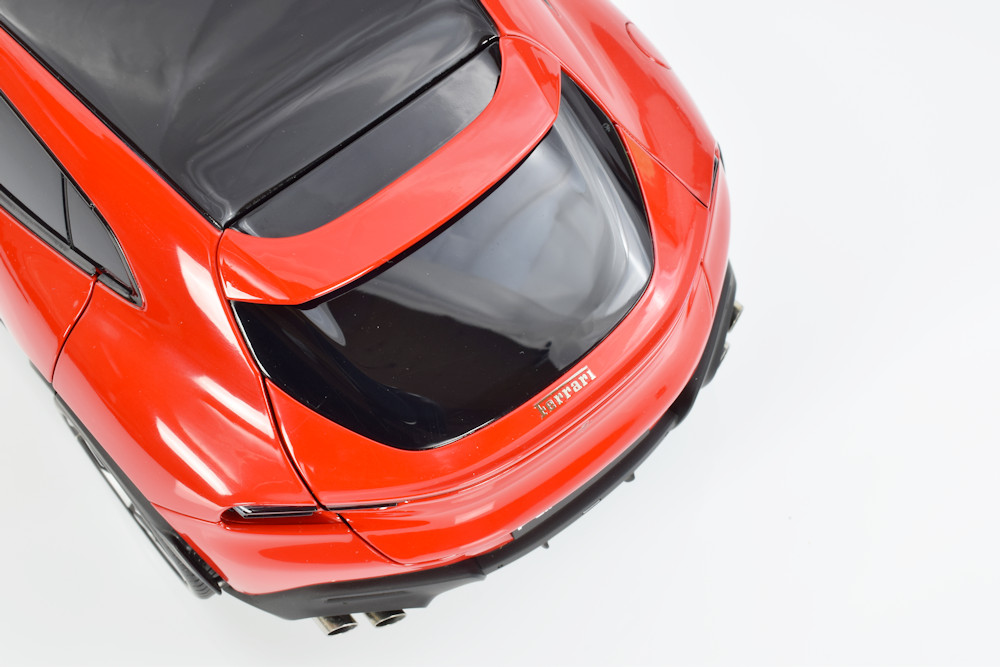
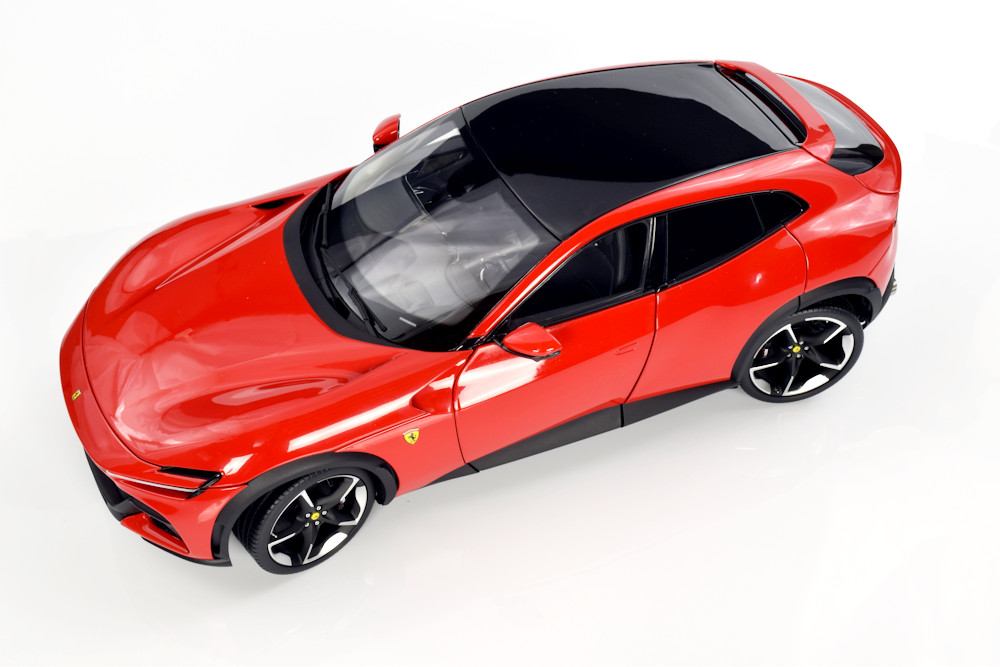
Out of the box, the paint application is absolute perfection. Calling it “excellent” feels like an understatement. The transition points between the red bodywork and the gloss black roof are executed flawlessly. The finish is as smooth as silk, completely free of orange peel or surface blemishes.
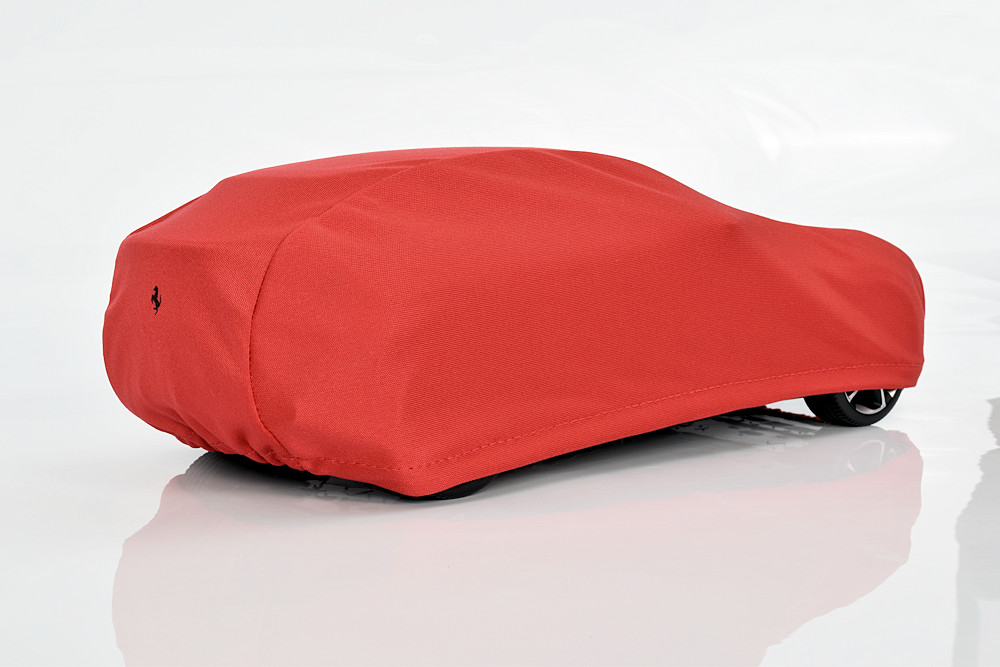
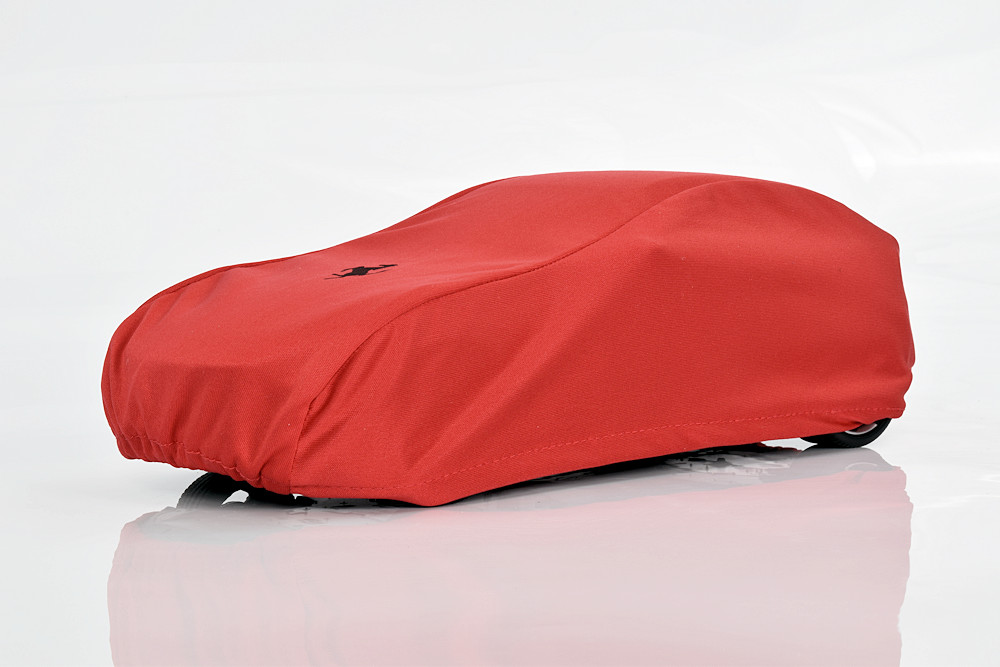
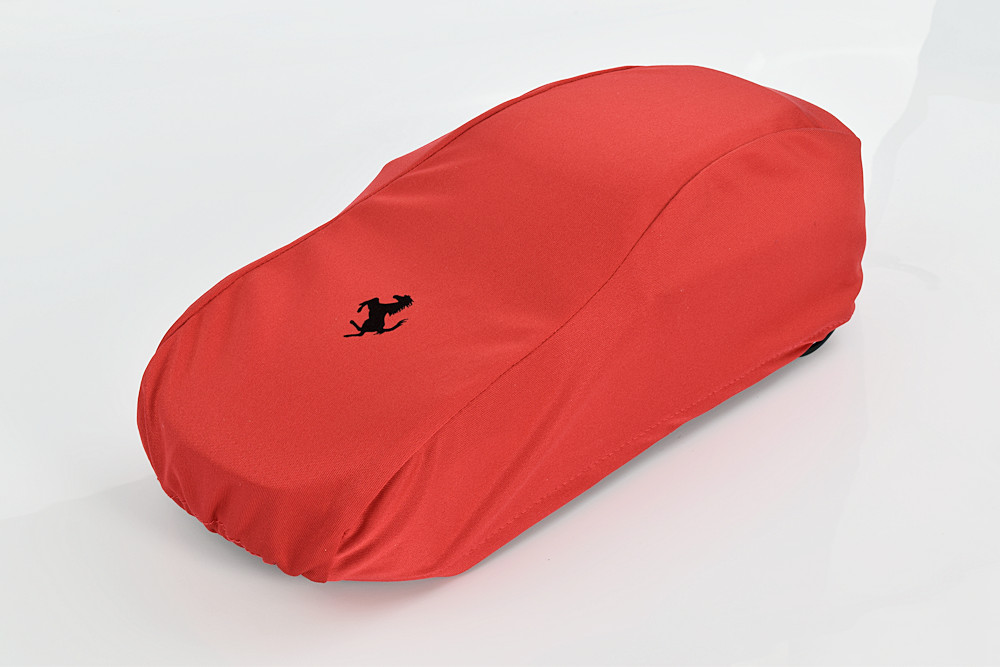
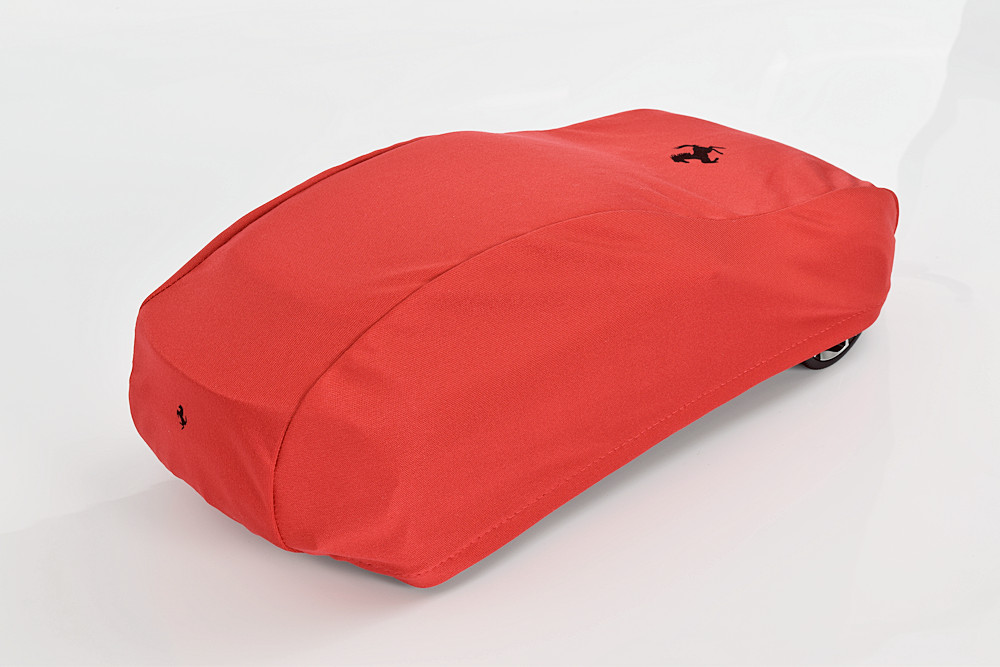
Interestingly, the model ships with a tailored protective fabric car cover—a touch typically seen on Almost Real Pagani releases. This detail leads me to suspect that the physical manufacturing of this die-cast shell was handled for BBR by Sums.
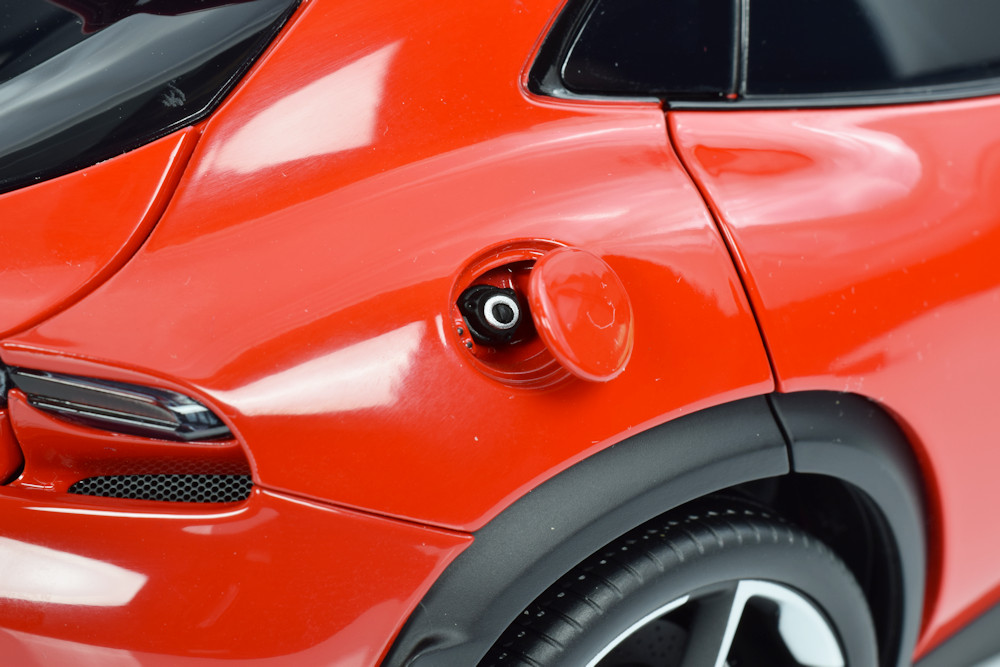
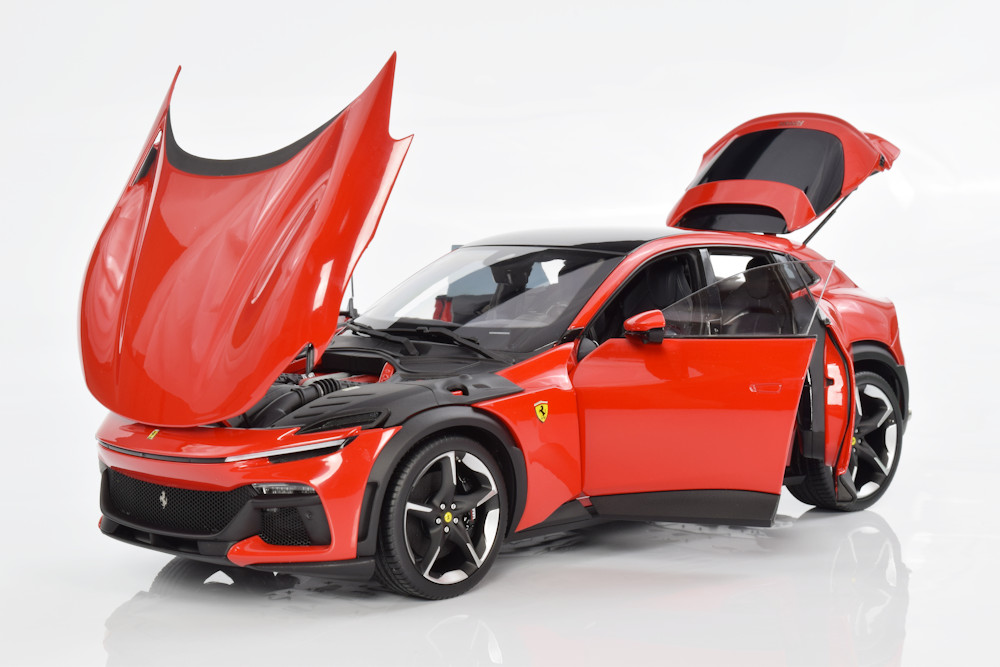
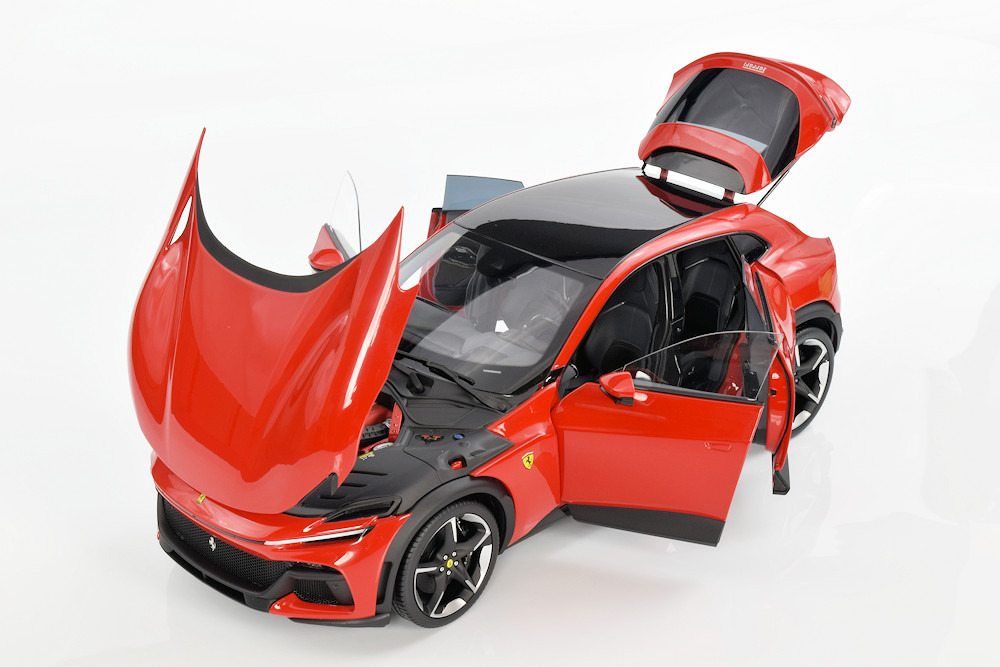
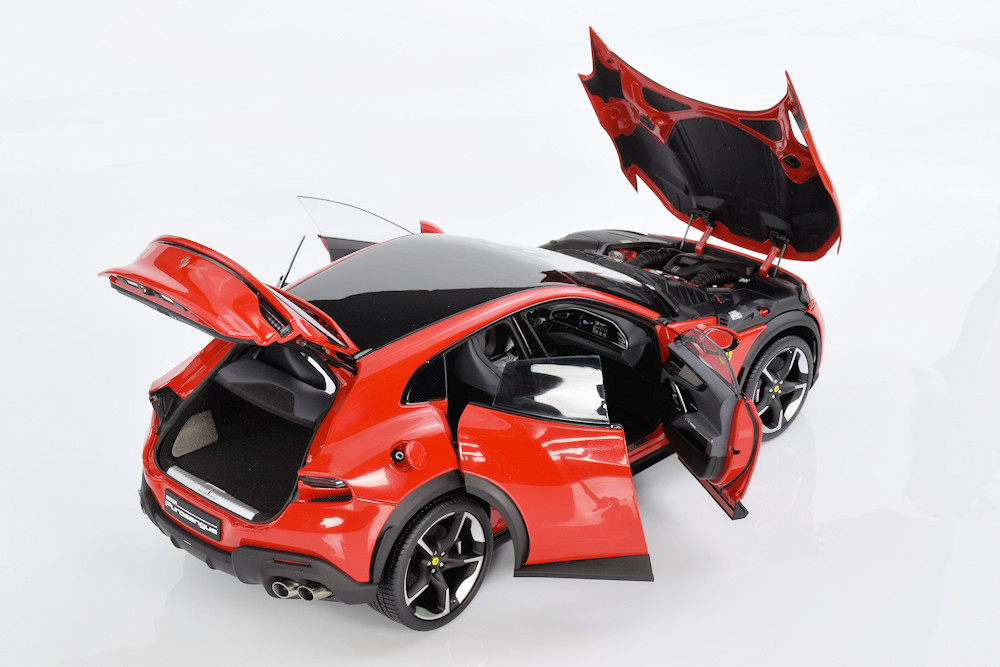
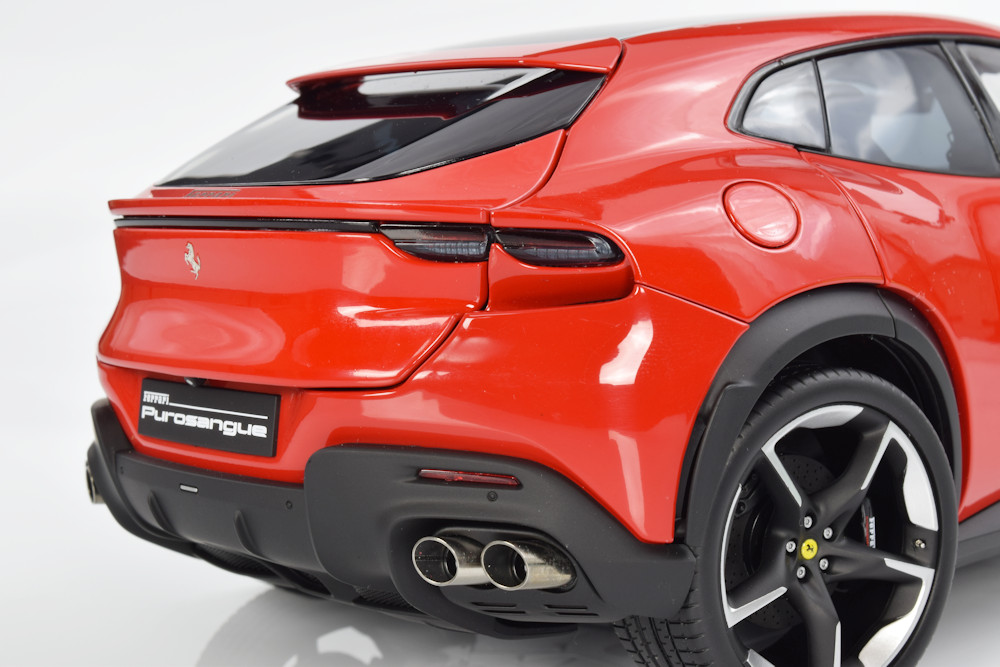
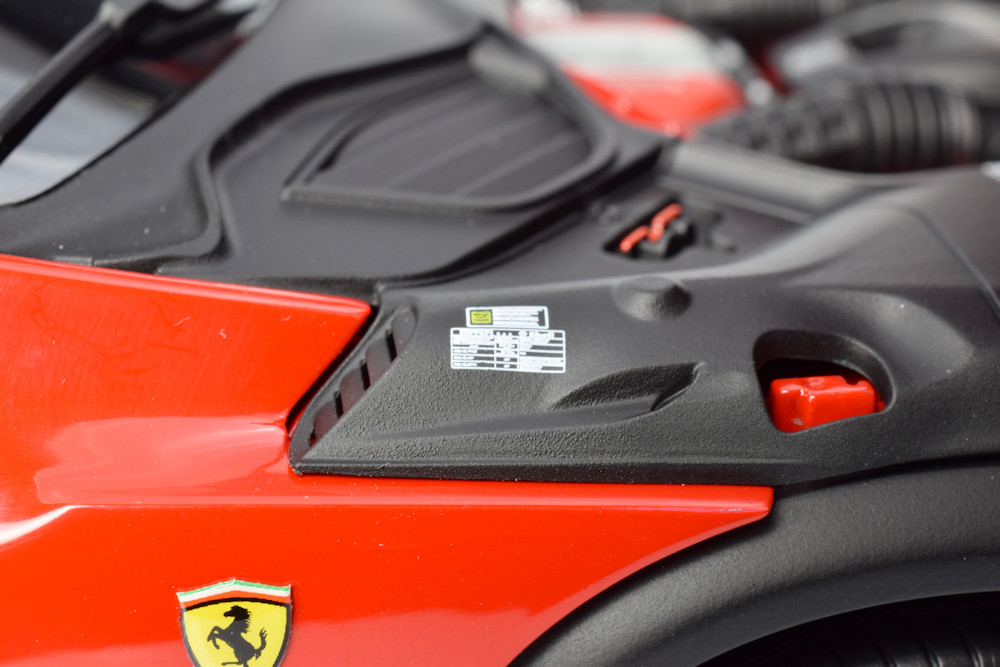
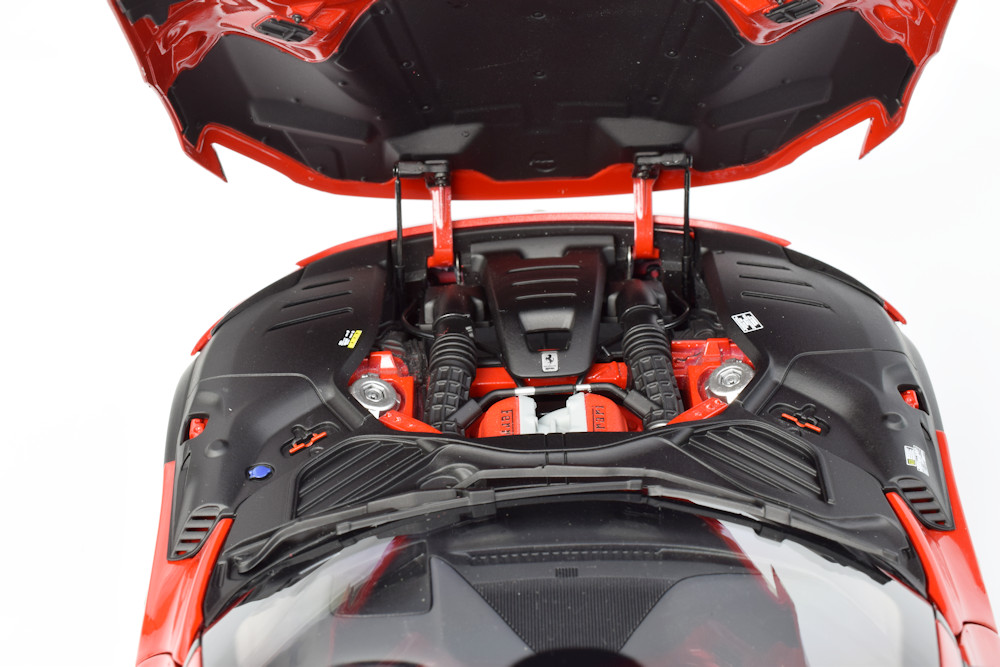
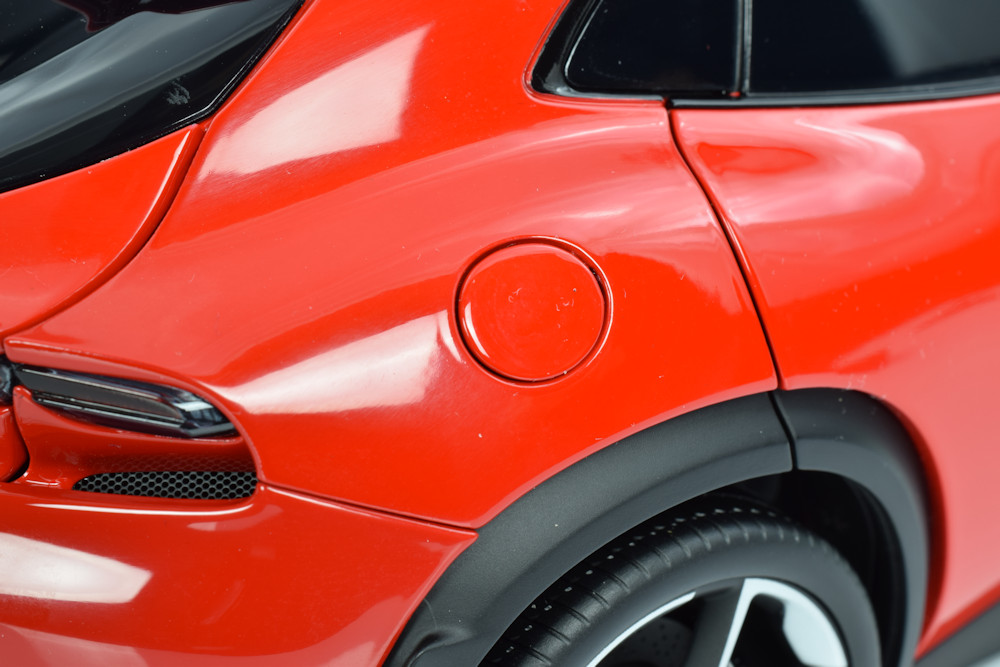
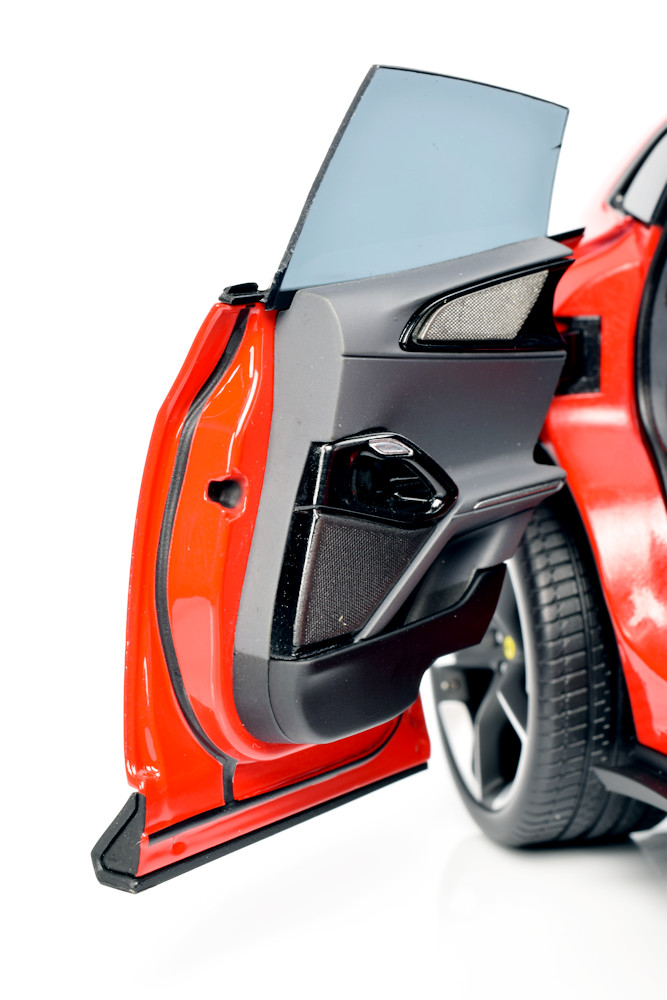
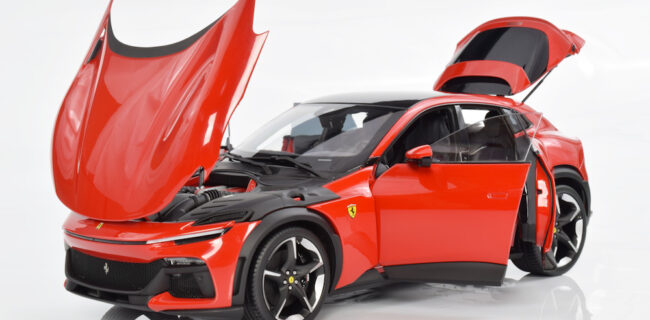
BBR captured the overall design language extremely well. Unlike sealed resin offerings, this piece gives collectors a fully opening presentation—right down to an operable fuel filler cap (be sure to check the execution in the photos). Every opening mechanism operates seamlessly. BBR does supply an access tool and in-depth instructions to help navigate the model features.
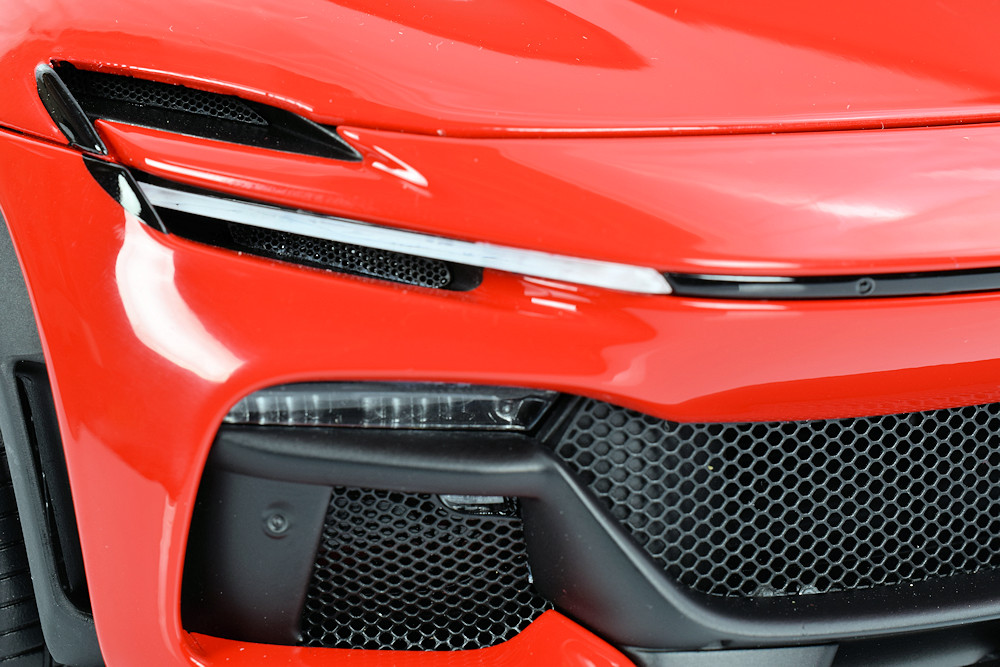
The panel gaps and shut-lines are remarkably tight and consistent across the board. This precision speaks volumes, especially given the complexity of the rear-hinged “welcome” doors.
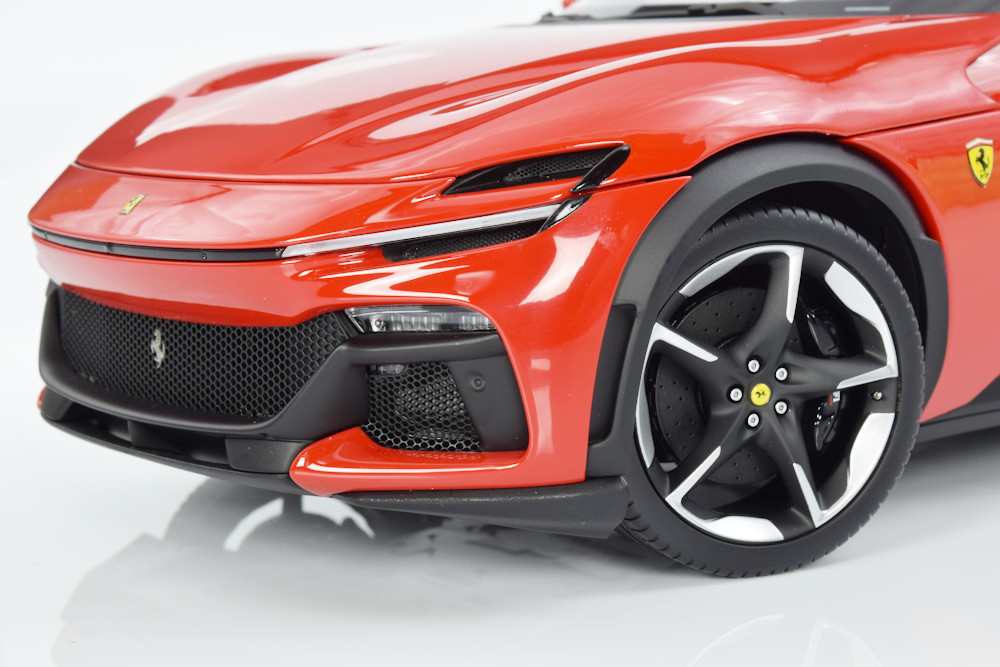
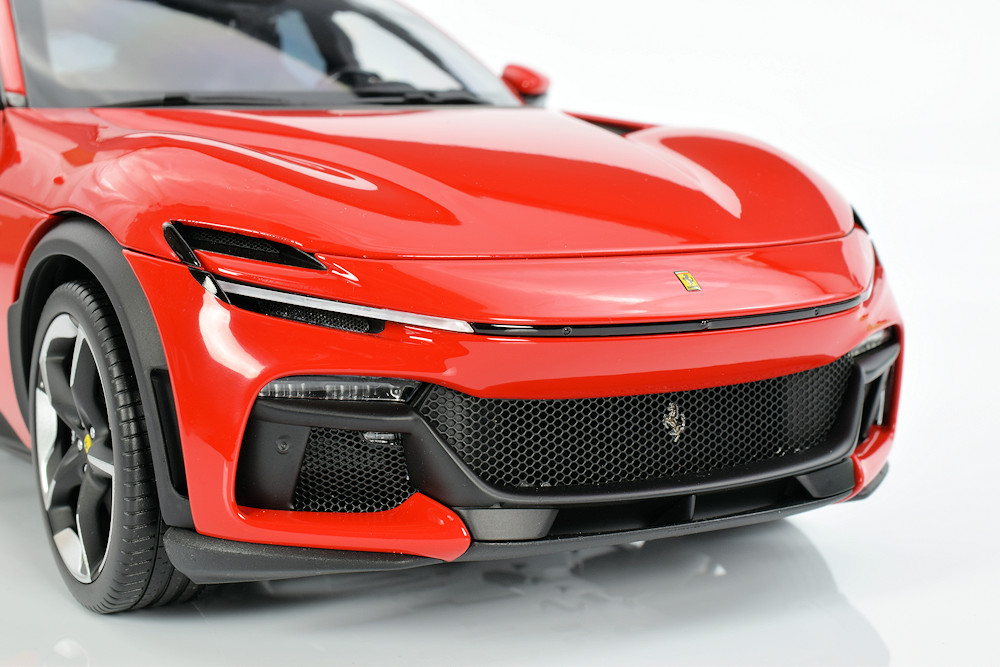
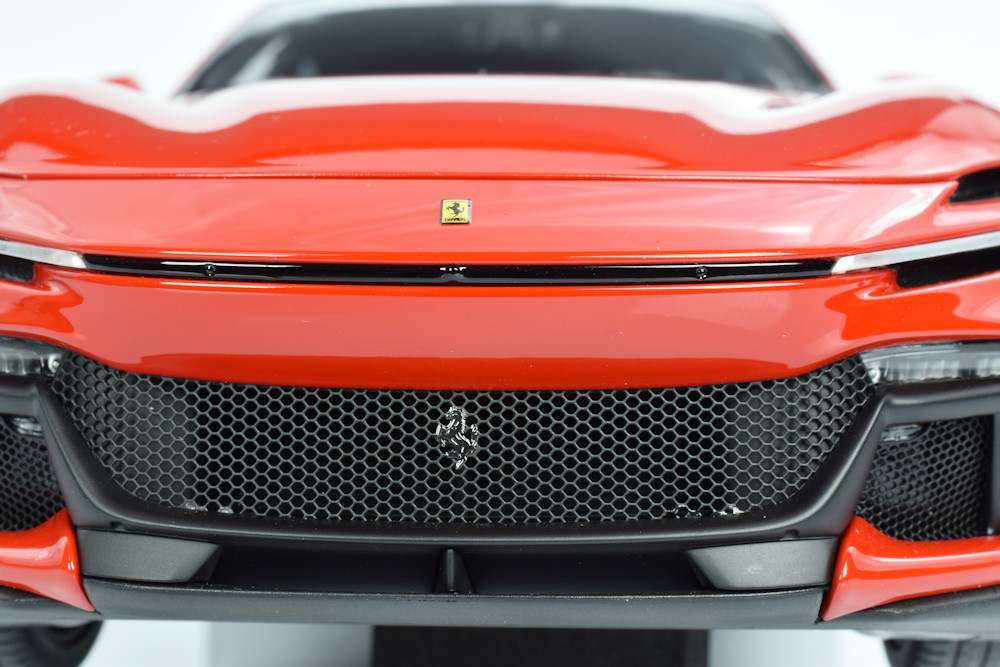
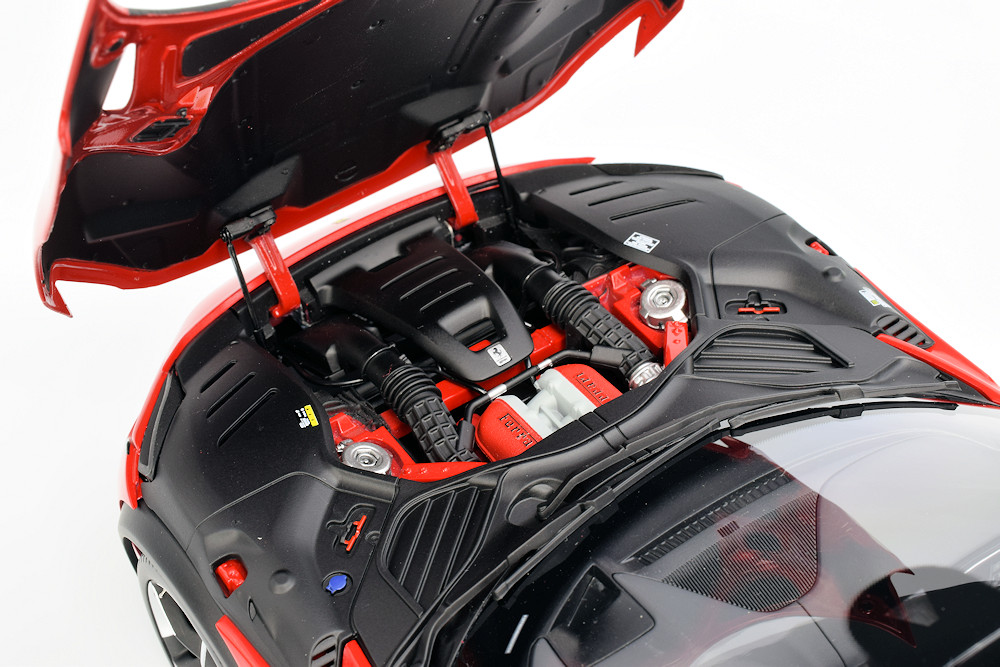
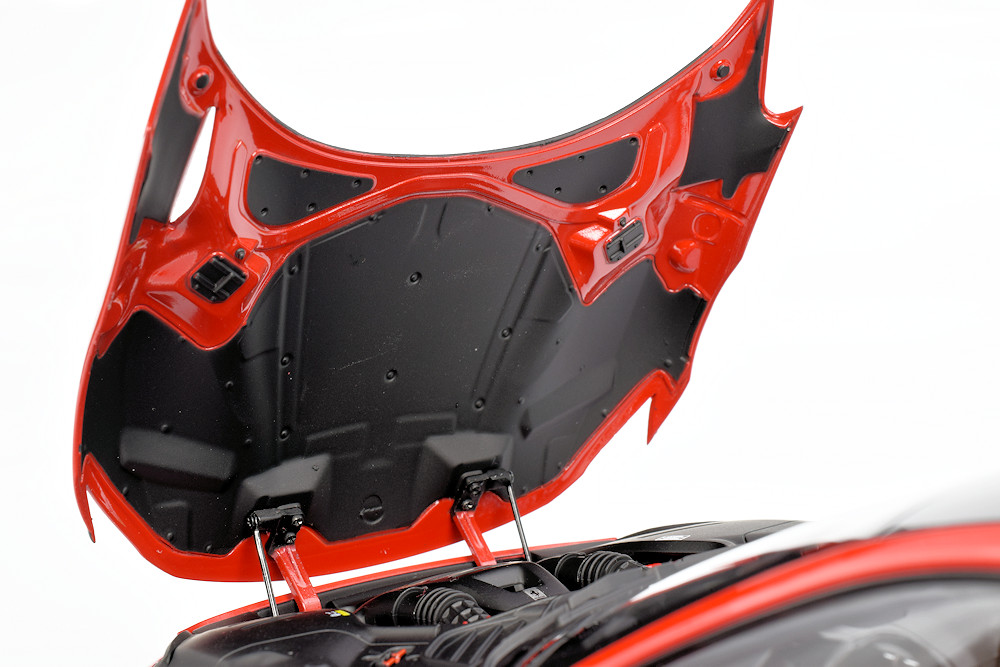
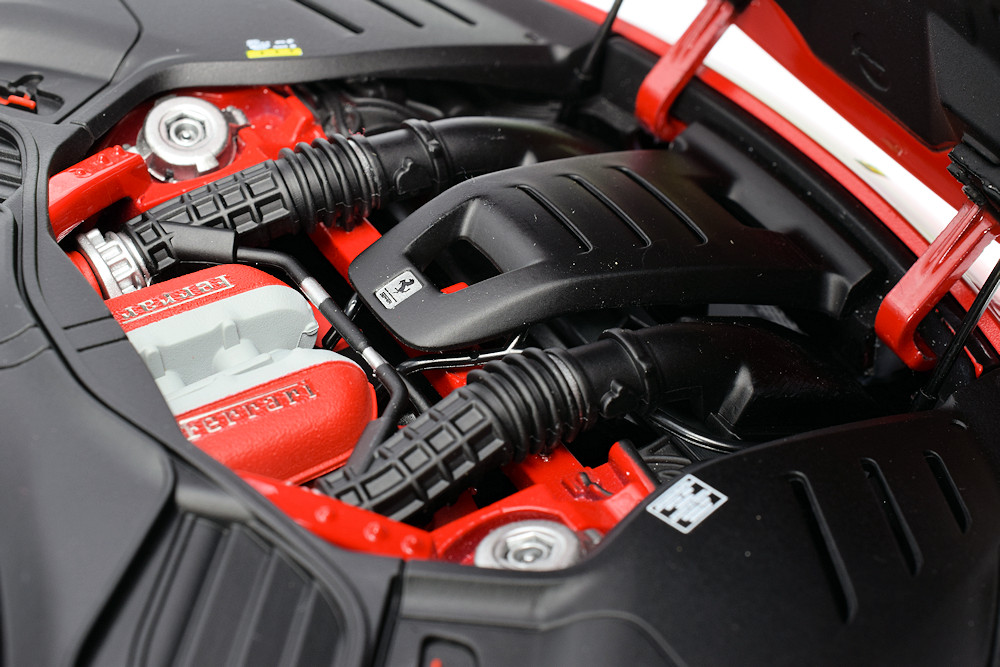
The front end is rendered with meticulous care. Perforated metal grilles elevate the model’s physical presence. Lifting the forward-sweeping hood reveals a V12 engine bay with above-average detailing, entirely fitting for this price bracket. Crisp OEM badging throughout further heightens the realism.
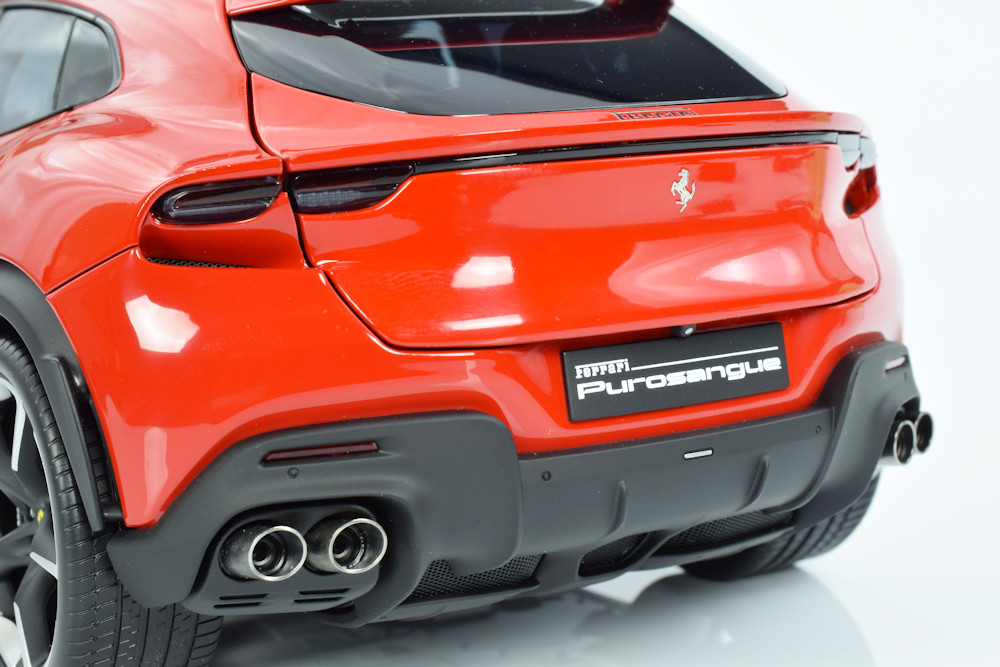
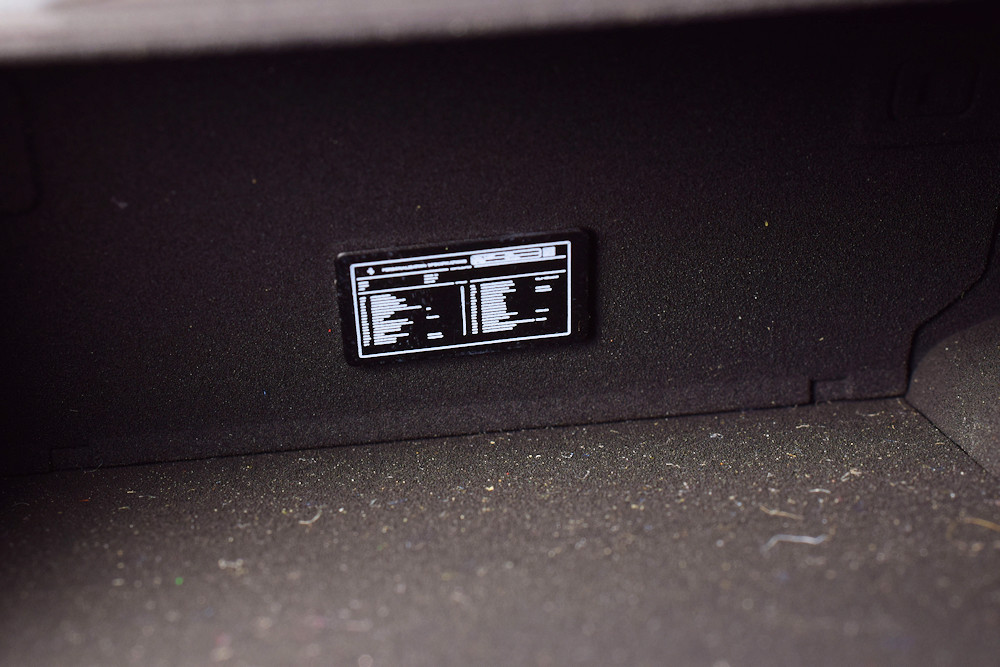
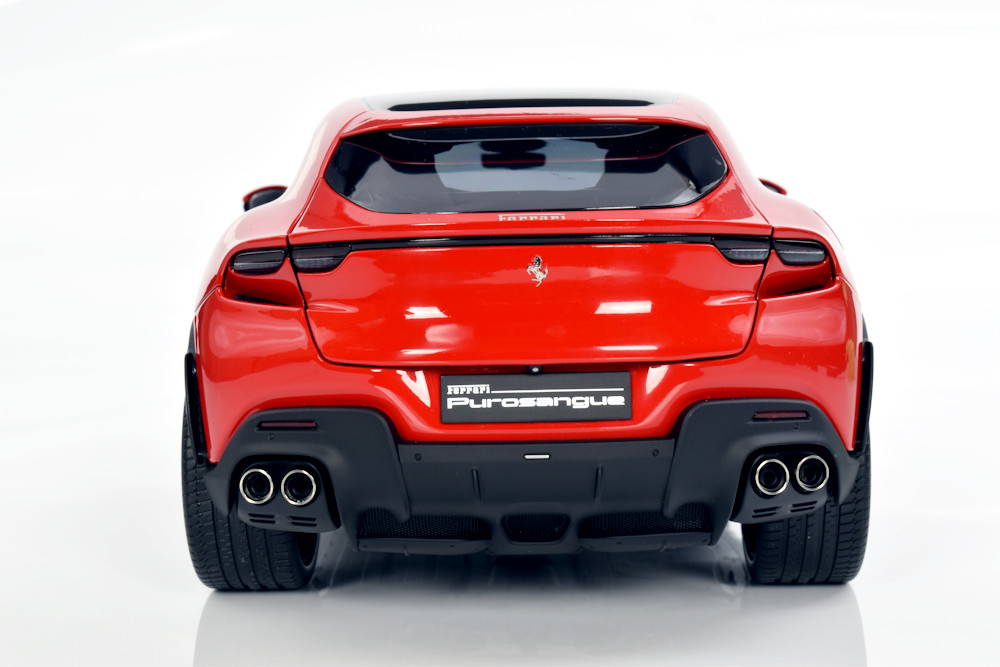
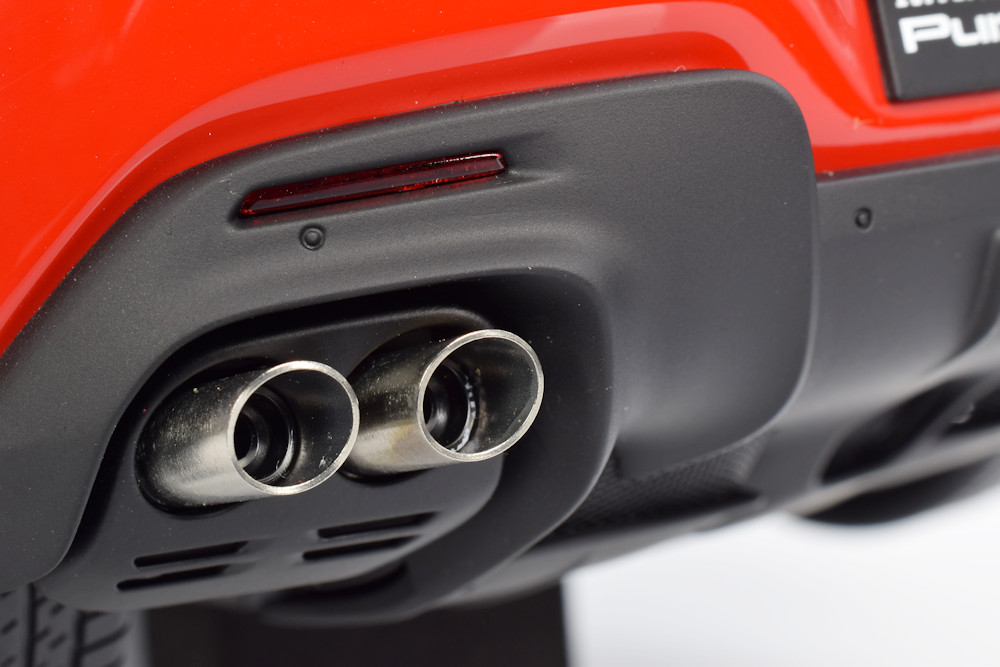
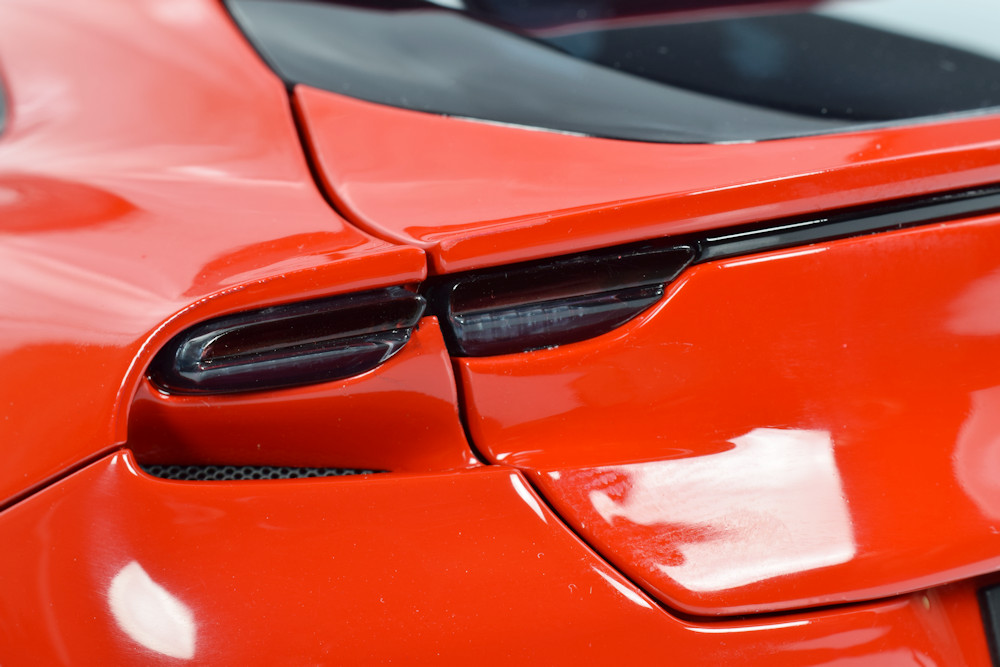
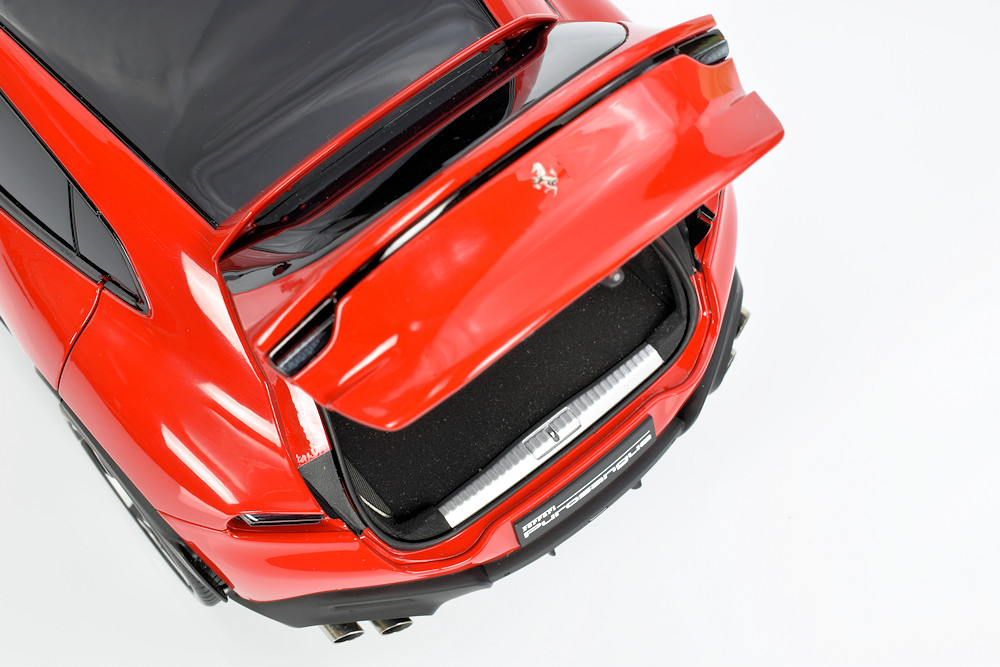
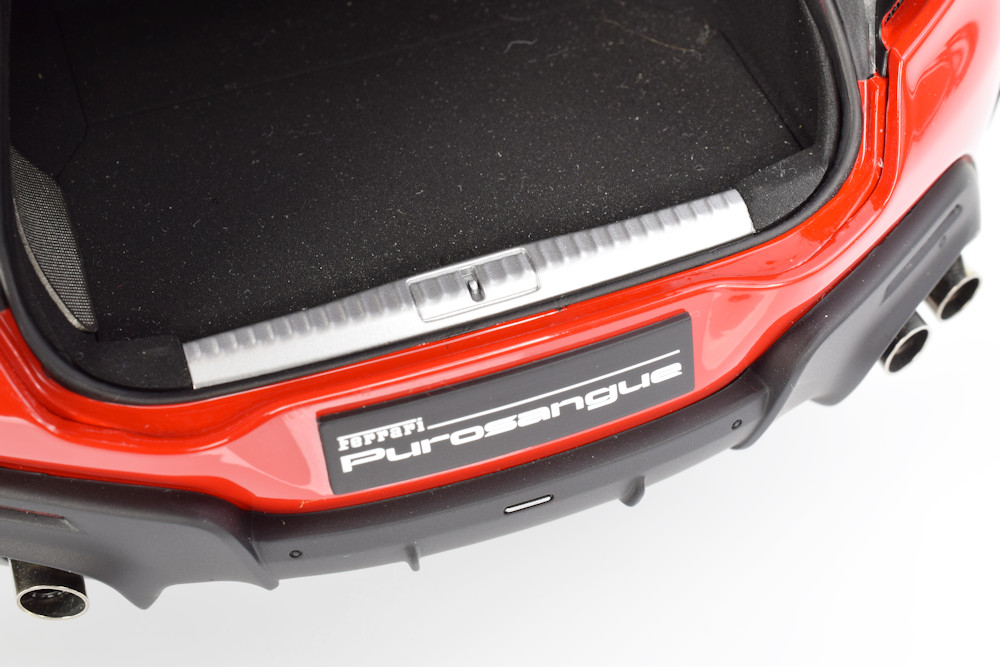
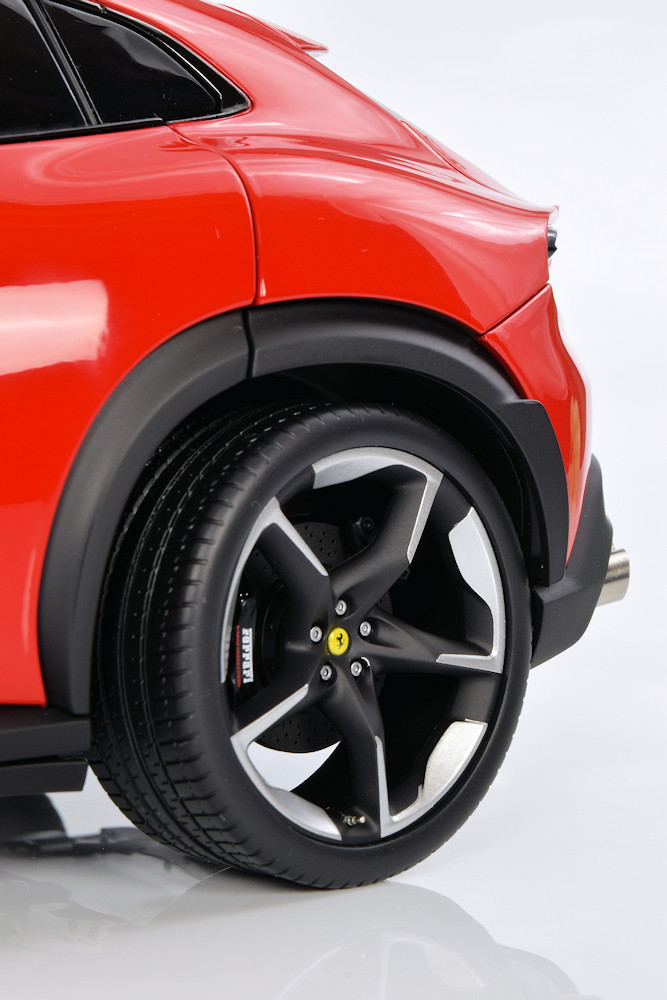
The rear reflects the same tight assembly standards. Standout highlights include delicate metal exhaust tips and nicely integrated, crisp taillight lenses. Opening the rear hatch reveals a fully carpeted cargo area complete with a miniature Ferrari specification plaque—a fantastic touch.
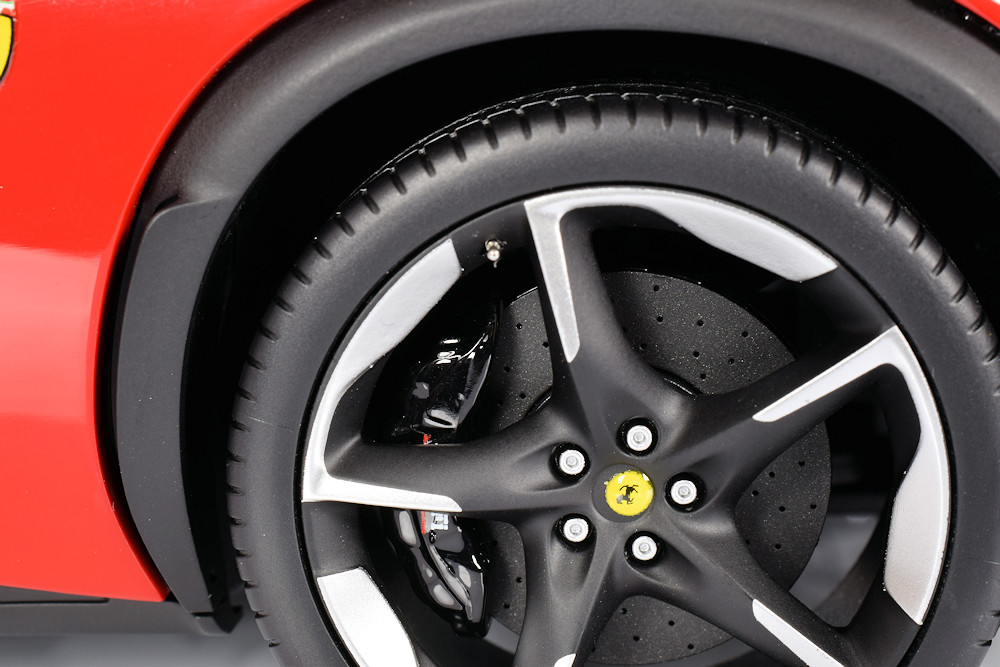
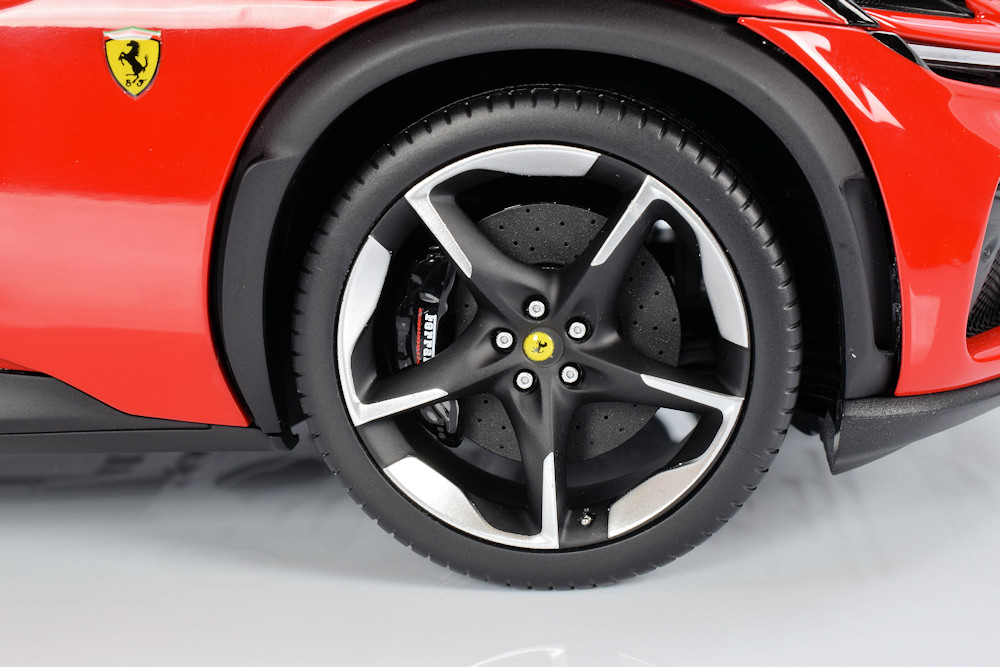
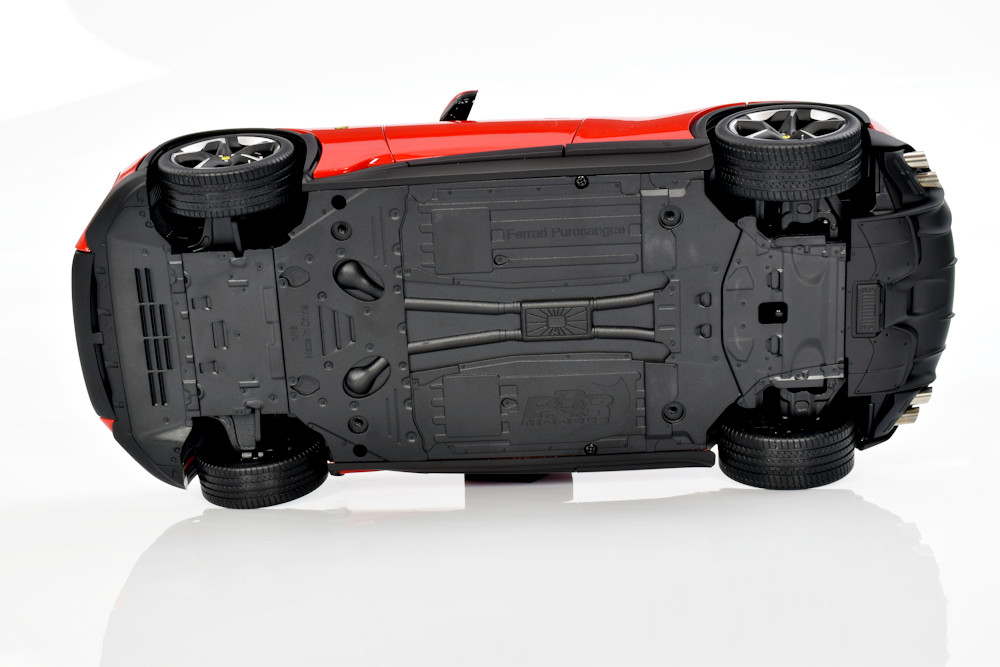
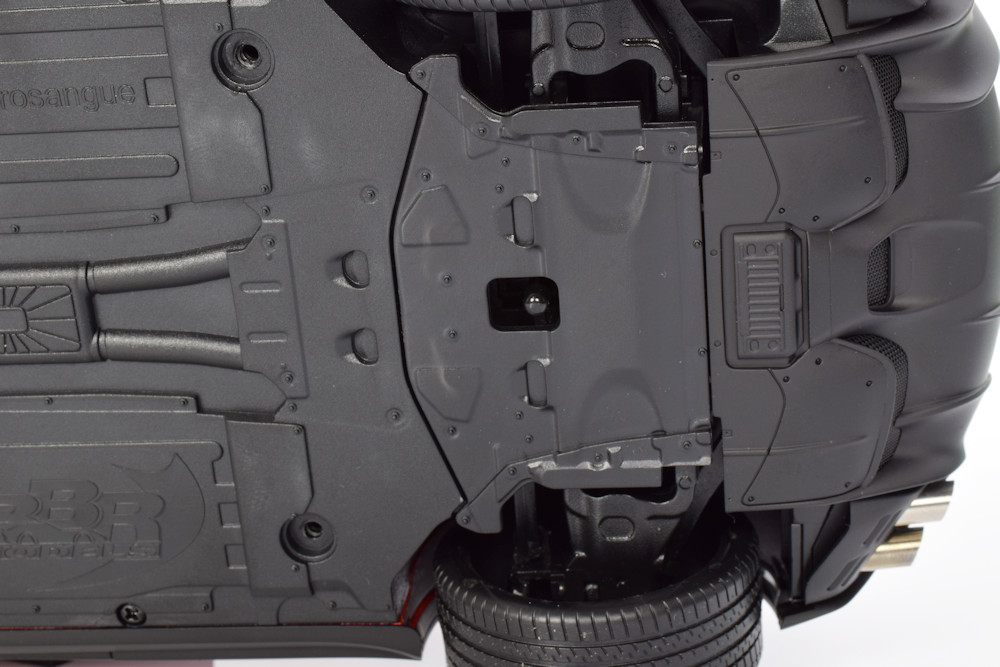
The wheels are a mirror-image representation of the real rollers, accented by metal valve stems, carbon-ceramic rotors, and detailed calipers. If there’s one minor oversight, it’s the lack of sidewall tire branding. However, BBR made up for it by including functional working suspension and four-wheel steering, complete with a manual toggle switch on the chassis to adjust the wheel direction.
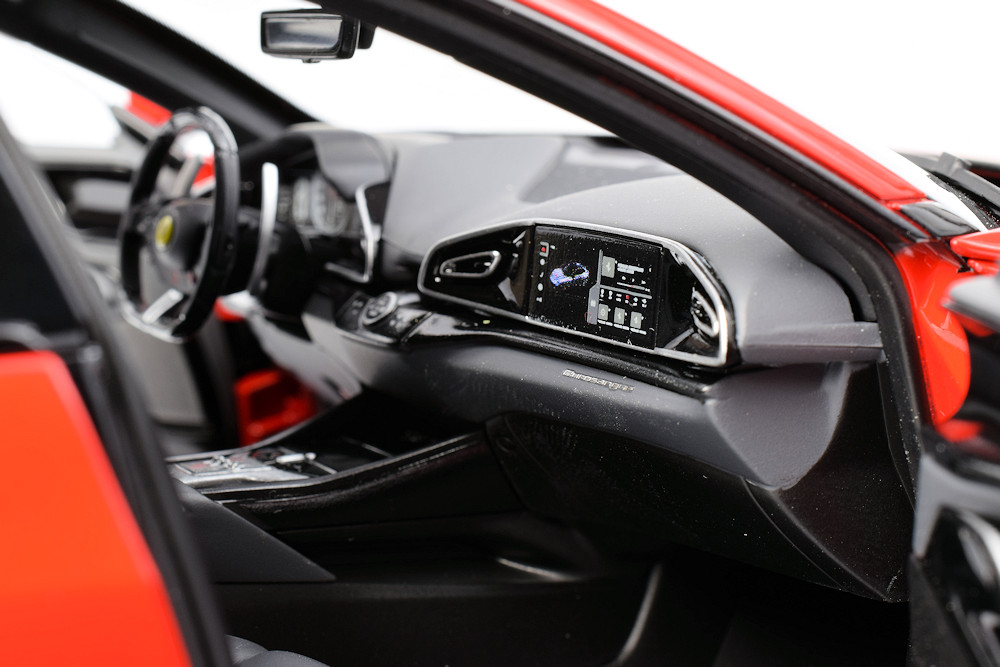
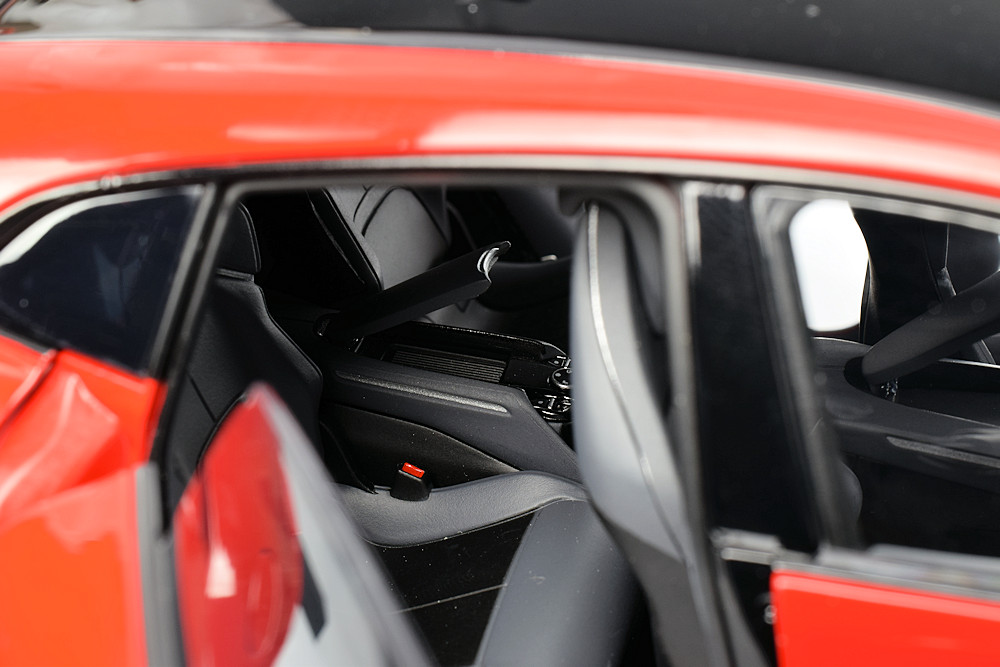
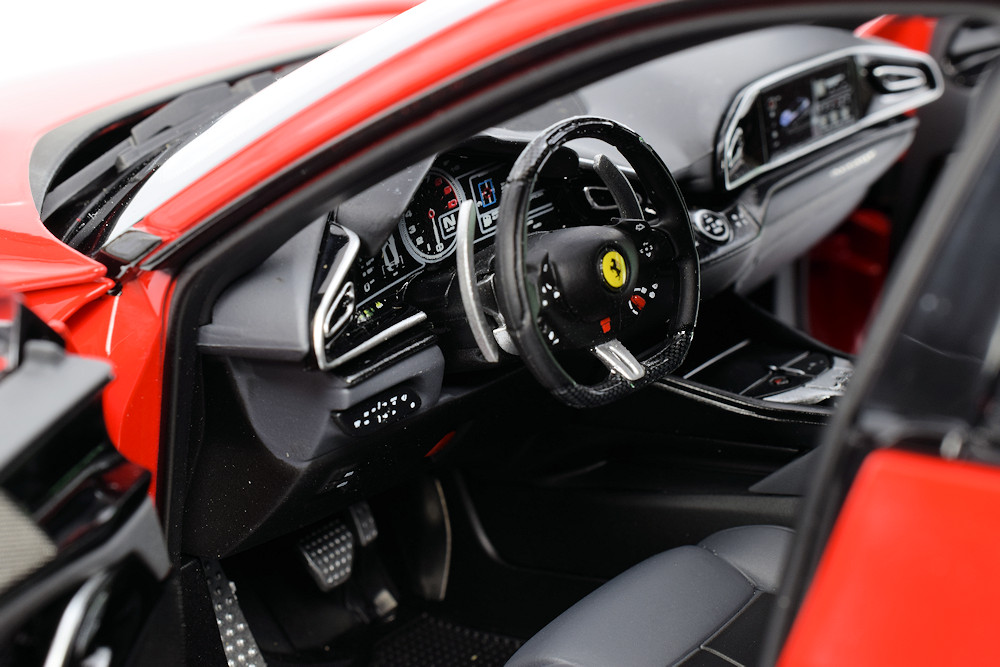
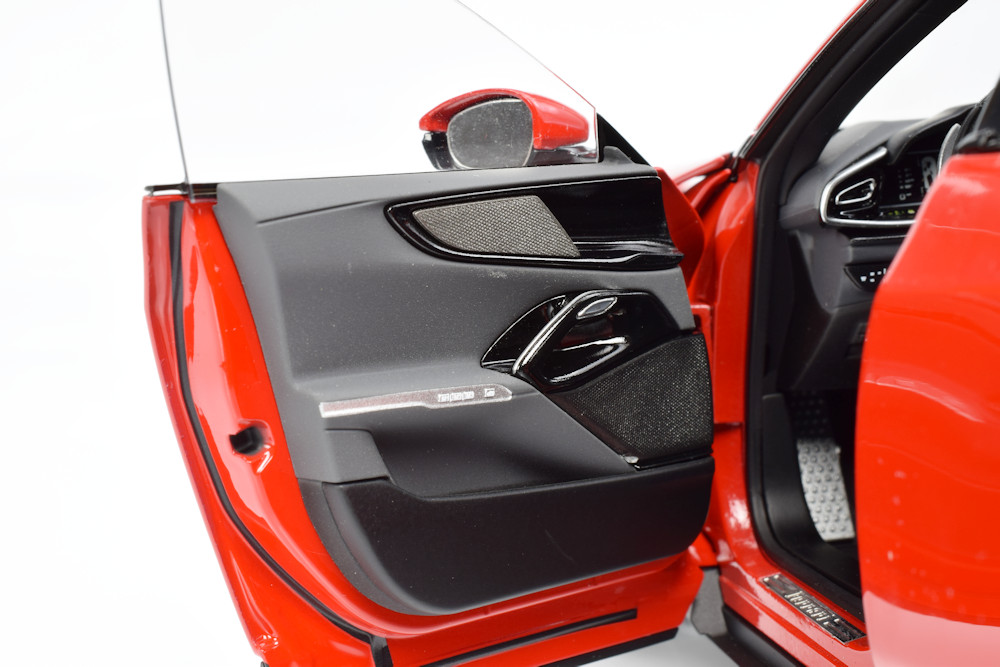
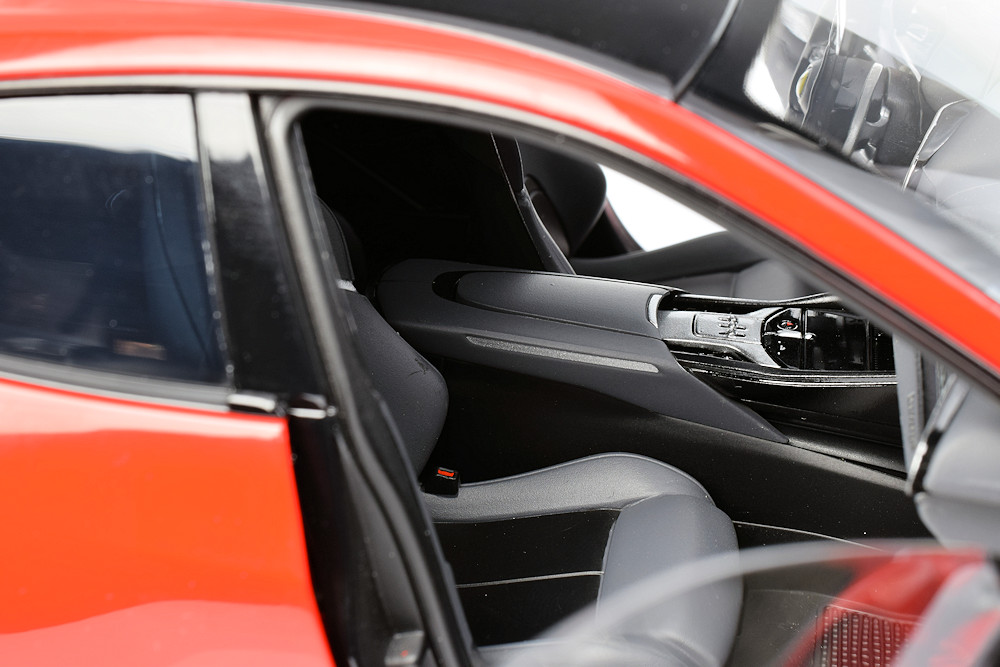
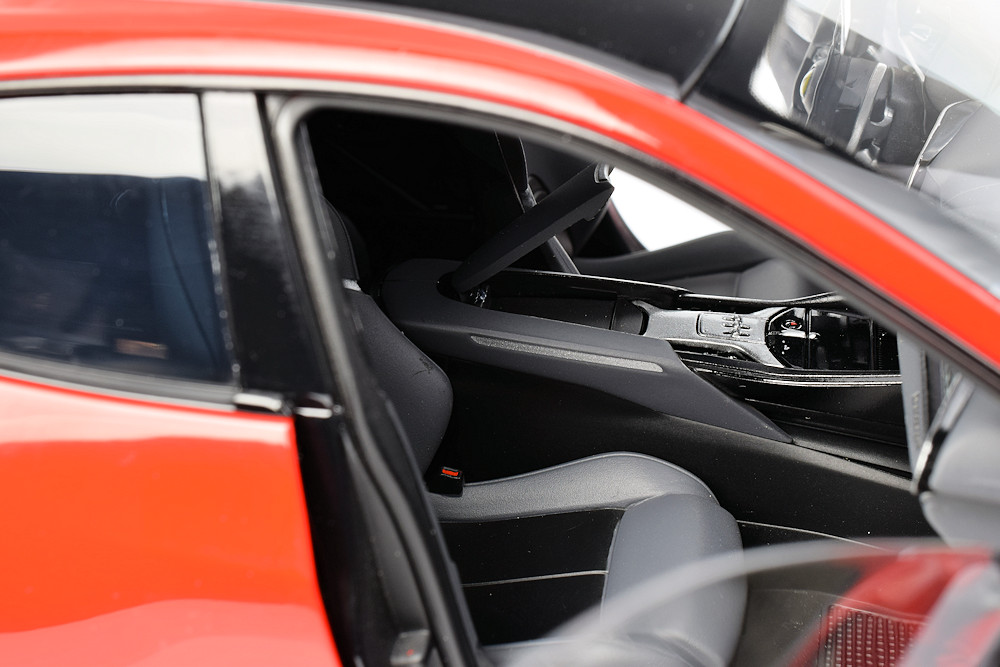
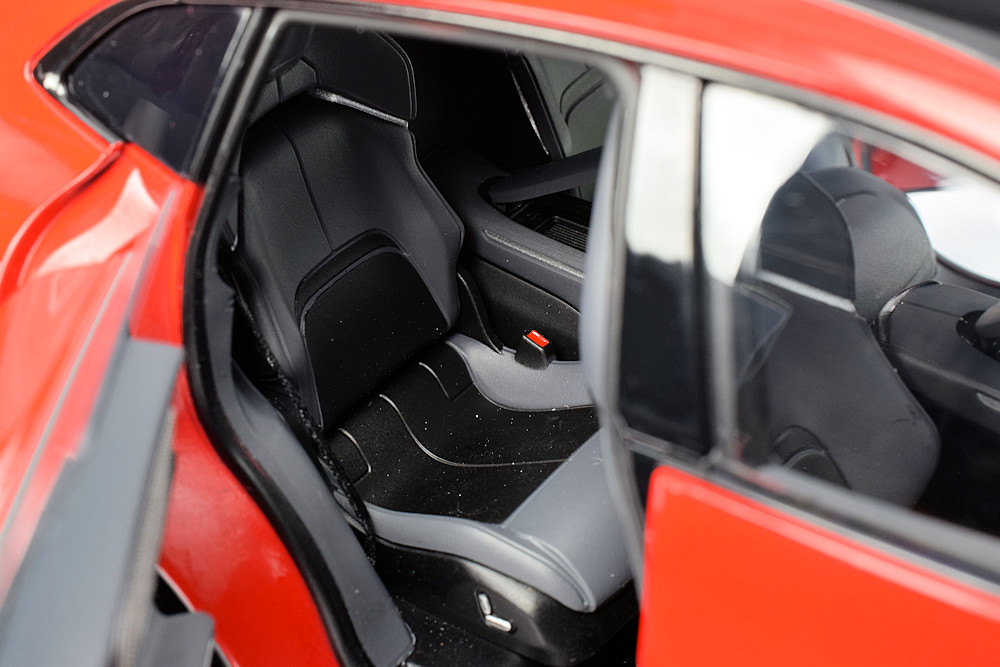
The cabin meets the same elevated standard as the exterior. Basic expected details are executed flawlessly: fabric seatbelts and multi-textured door cards that accurately mirror the OEM materials. BBR also added unexpected interactive touches: the front seats slide forward and backward, and both front and rear center consoles open to reveal detailed interior storage compartments.
Having inspected numerous 2026 releases across various price points and manufacturers, the BBR Ferrari Purosangue may not be my personal favourite subject, but it is easily the best-executed model of the bunch so far. It is an absolute front-runner for DiecastSociety.com Model of the Year.
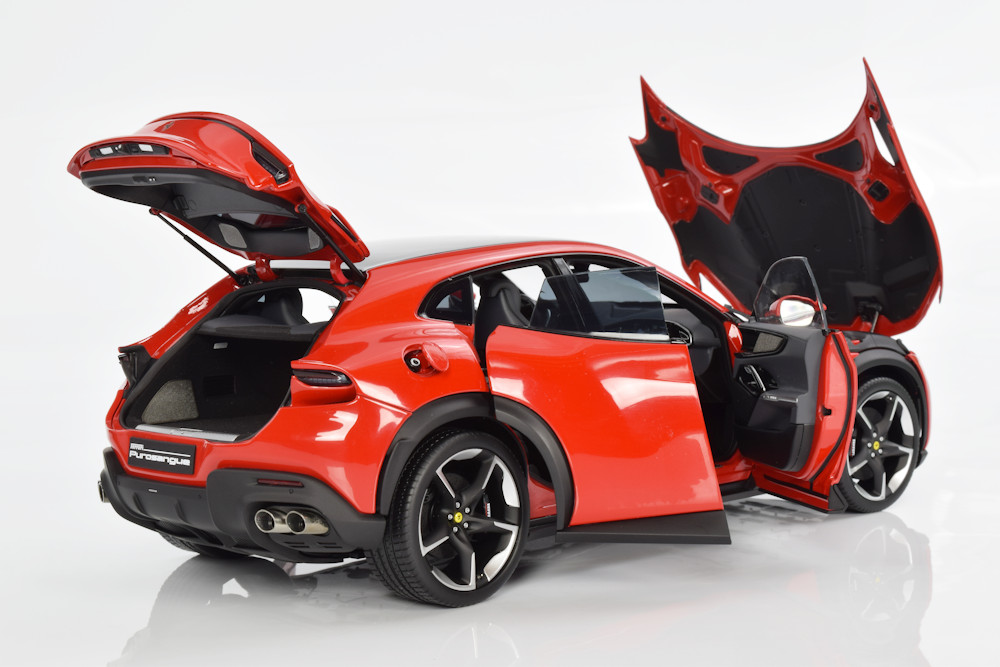
While $559 CAD is a heavy investment, if you are searching for the definitive, fully-opening 1:18 scale replica of the Purosangue, nothing else comes close. Comparing it to recent mid-tier releases like the Norev Mercedes-Maybach S-Class highlights the vast gap in detail and features. Whether that performance delta justifies the price bump comes down to individual collector priorities, but one thing is certain: you will not be disappointed with BBR’s execution here. It is truly outstanding. Enjoy the pics!