
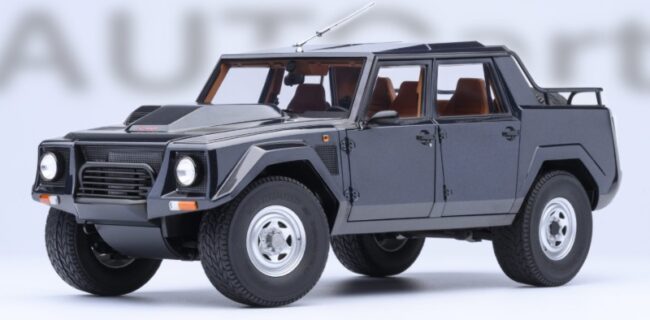
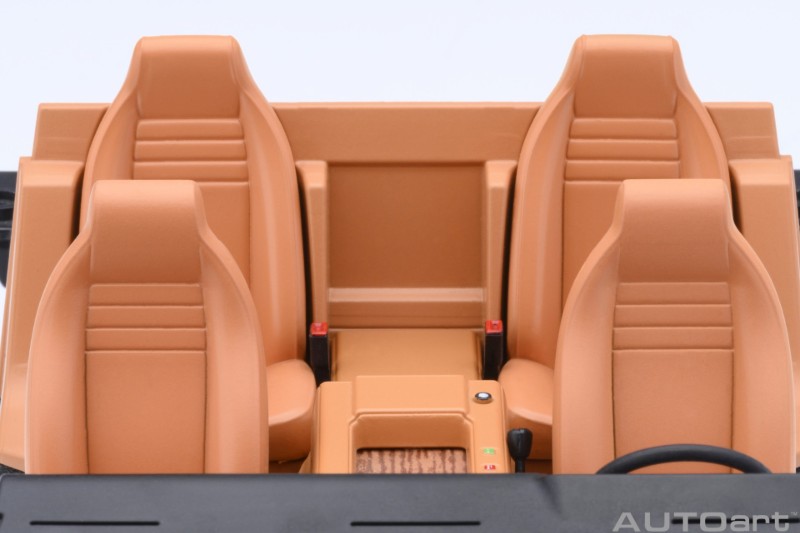
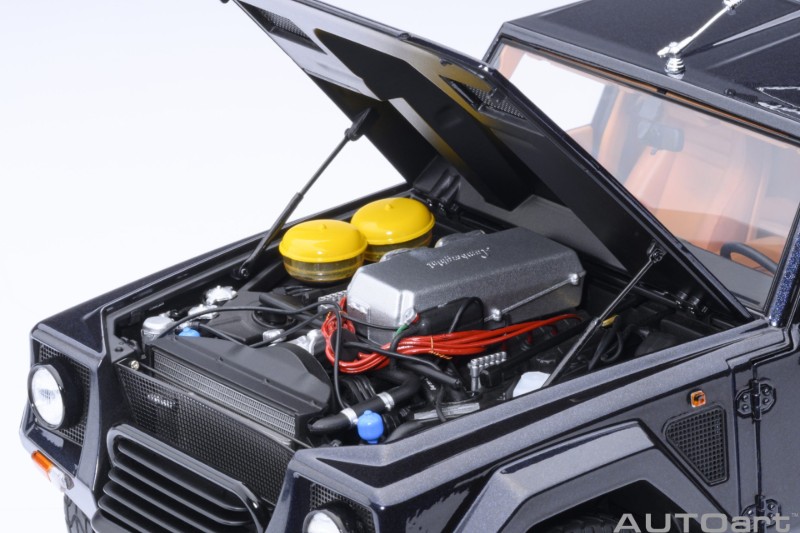
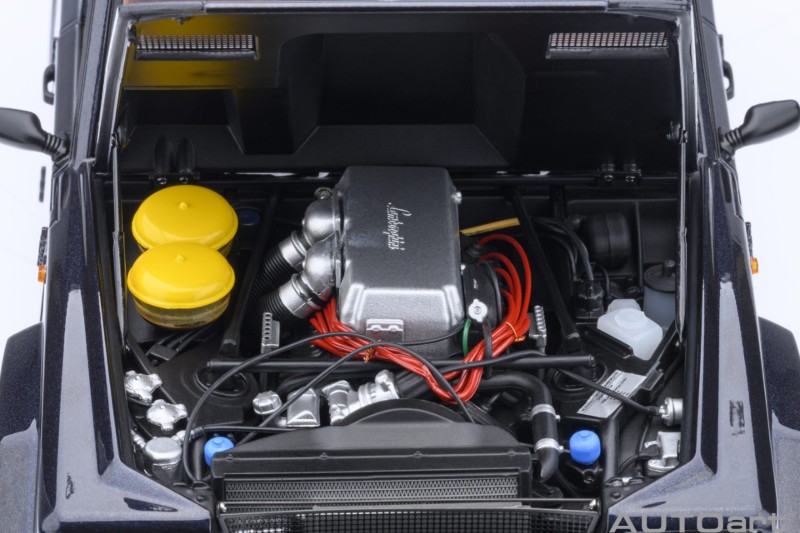
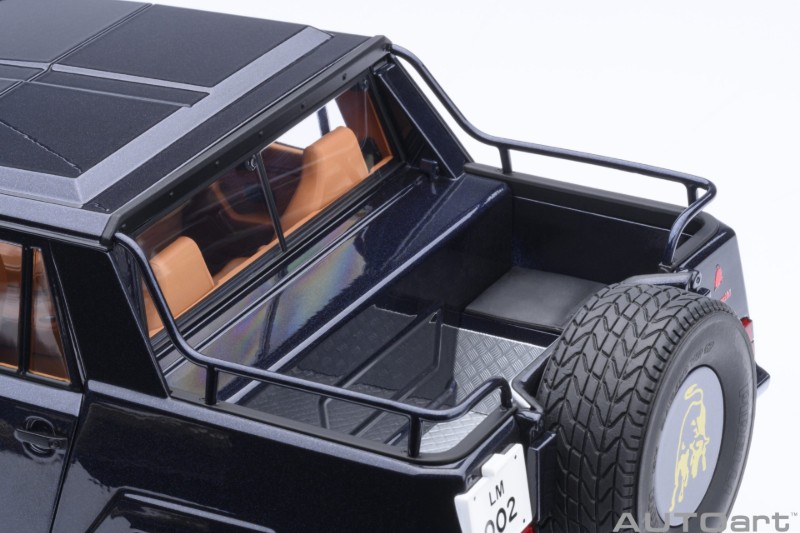
AUTOart unveils another exterior option for their new 1:18 composite and opening Lamborghini LM002. This colour is defined as Blu Acapulco Metallic, just stunning on the LM002! The interior is complete in Tan Brown. This could be our favourite of the bunch. Release date is noted as September 2026.
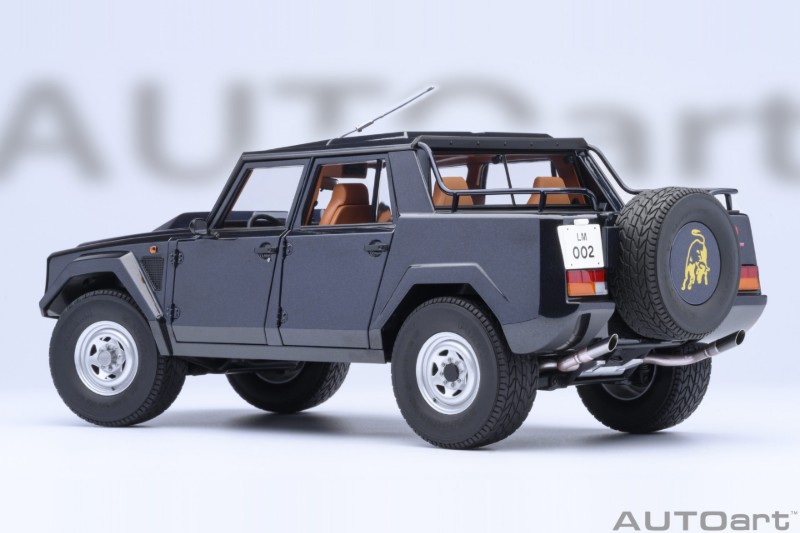
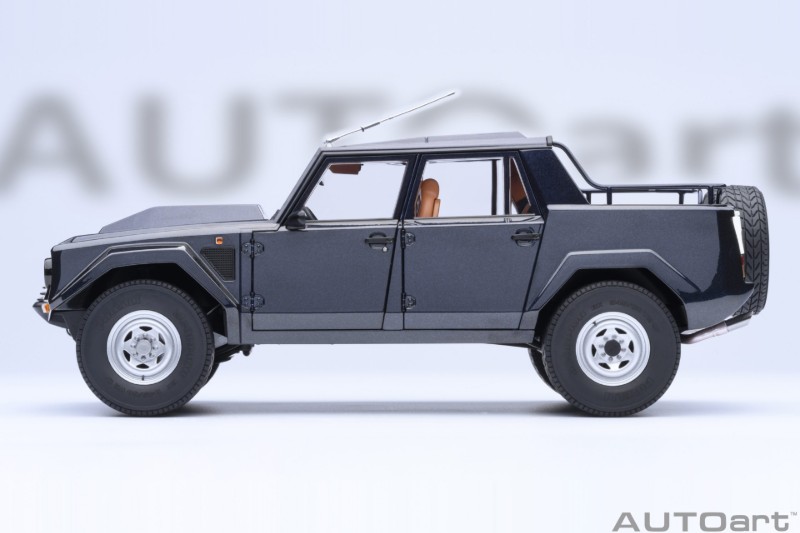
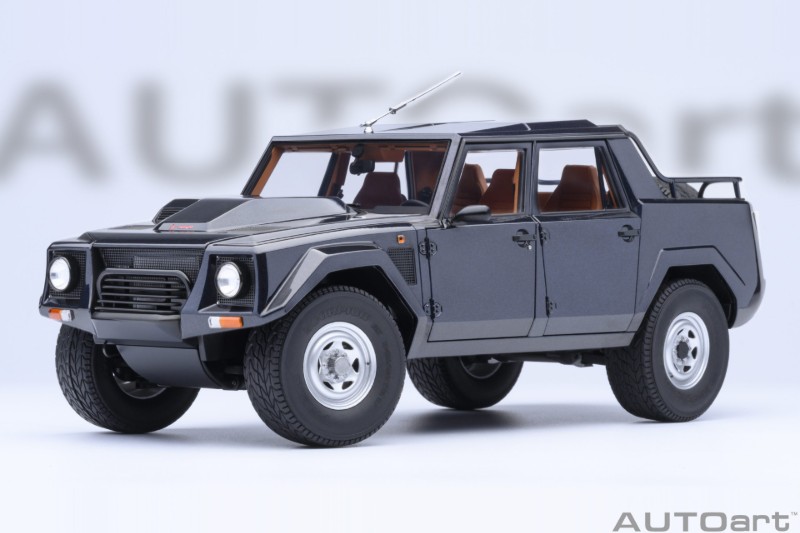
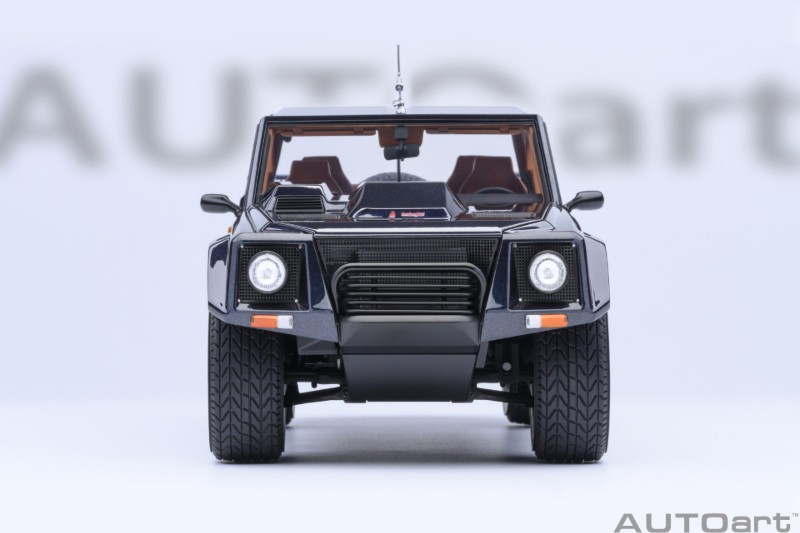
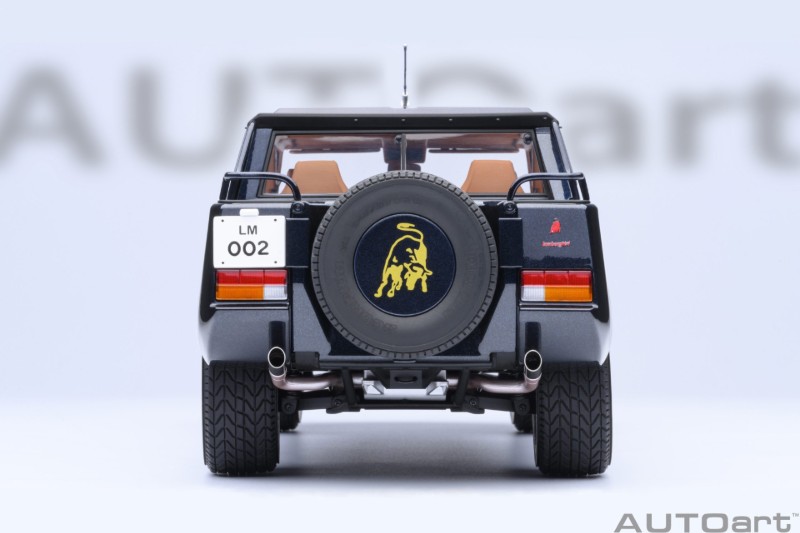
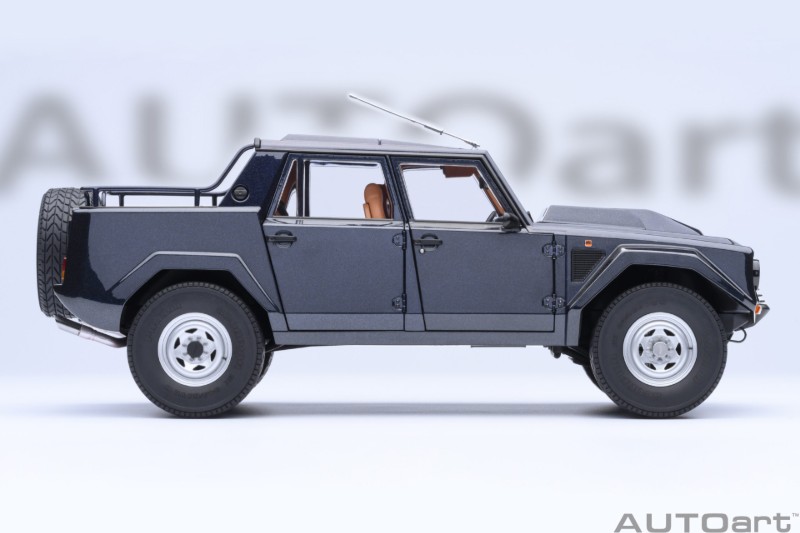
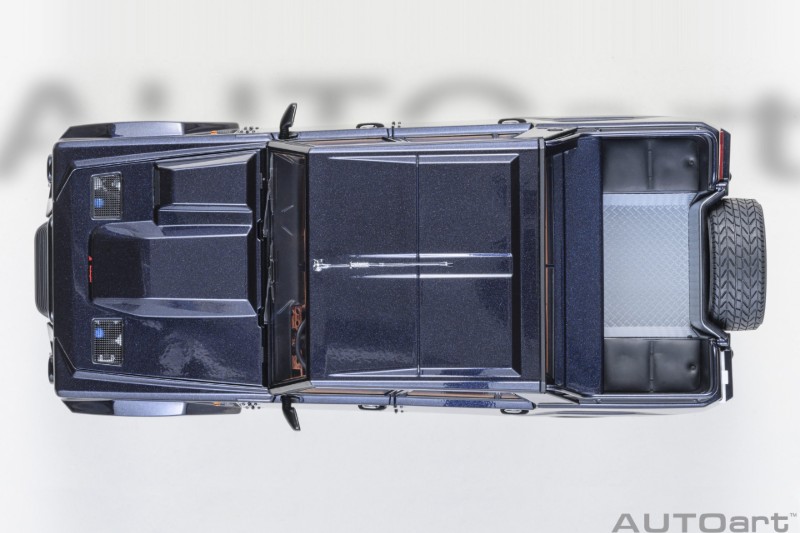
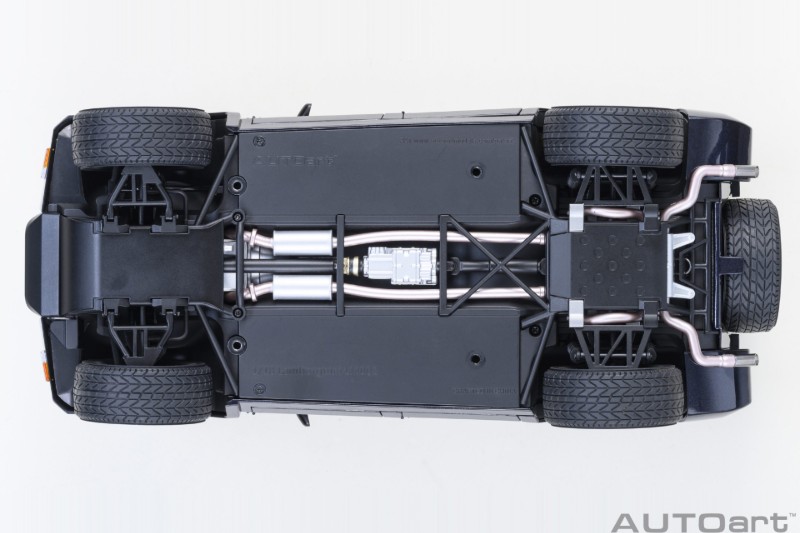
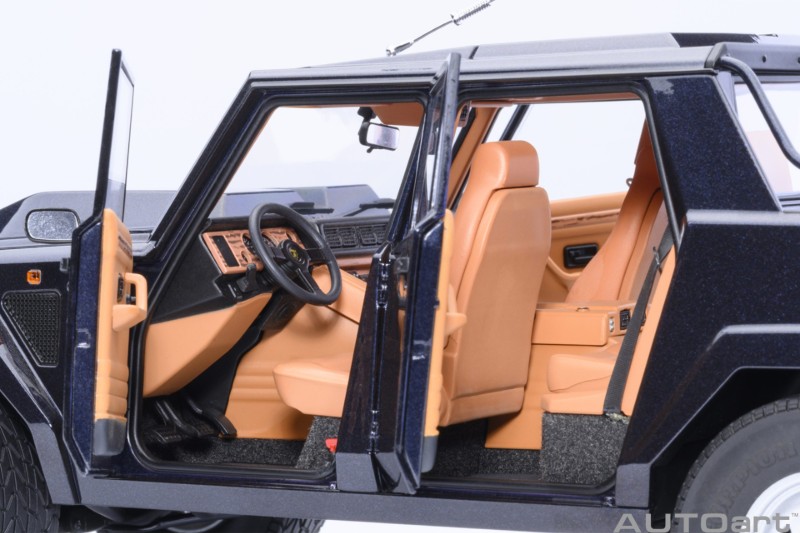
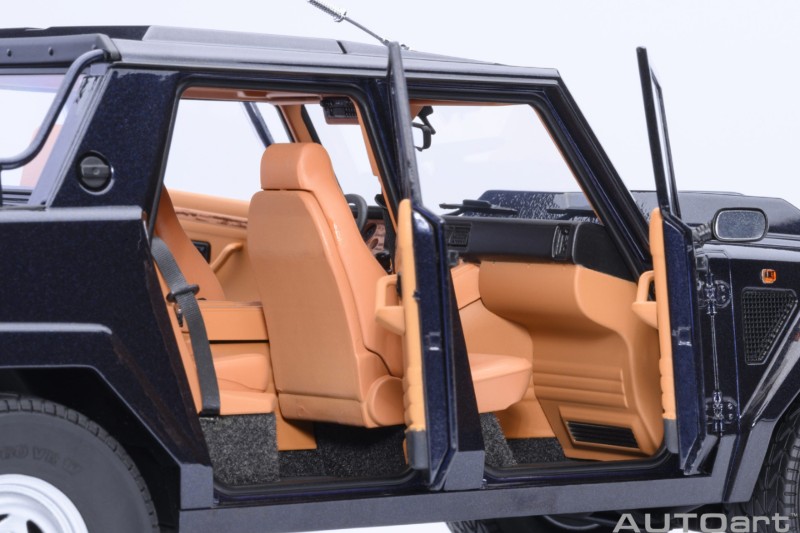
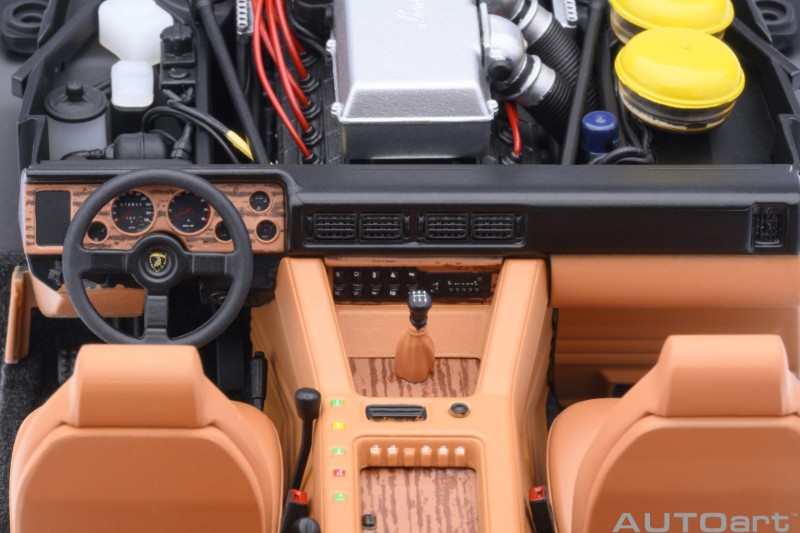
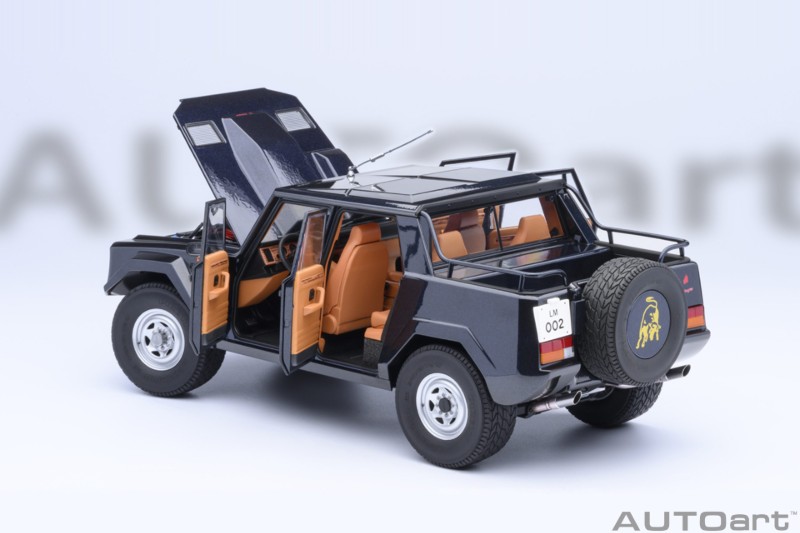
Product# 74552

Apologies for this simple question, but what does the term “composite” mean in relation to this model? I understand diecast and resin, but not composite – maybe a combination or mixture of diecast and resin?
That’s it in a nutshell below from Jay. Here’s an article from 2015:
https://diecastsociety.com/autoart-new-composite-model/
AA use the term “composite” to mean a product made of both plastic and diecast metal. Mostly plastic of course, with a diecast base for rigidity. I guess their marketing sounds more automotive by using a buzzword like “composite” and if it fools potential customers into buying something that sounds more exotic than it actually is, well all the better.
It’s probably a good model. It looks okay to my eyes but this model more than any recent one I’ve seen definitely looks more plastic, especially the engine bay and interior. Even the tyres look plastic.
Anyway, at the prices they’re listing I can’t see them flying off the shelves. Did anyone buy the recent Miura Jota SVR?
Tested: 1987 Lamborghini LM002 https://share.google/IDrgjHj8DDkezYUbC
I posted an article from Car & Driver from 1987 by the legendary Brock Yates. This new 1:18 scale release is just in time for the 40th anniversary of the production of this beast. The first on line listings that I spotted priced the model at just under $400 US- too expensive for me. I now see offerings at around $285 US – still pricey but tempting! But what color to get?
Okay, thanks for the useful links in the replies to my initial query.
For many years, the boxes on what I had regarded as “diecast” models have said something like “contains metal and plastic parts”, so in effect I’ve been collecting “composite” models without realising it!
Now I’m puzzled as to why your description of the Lamborghini jeep specifically included the word “composite” – but you haven’t use it for countless models reviewed simply with the label “diecast”.
Perhaps the answer is that “diecast” will, by default, encompass models made in zinc alloy combined with / containing “plastic” parts to varying degrees. As long as the distinction from “resin” remains clear, I’m happy.
The range of types of materials that come under the umbrella of “plastic” is truly vast. Let’s not open a huge can of worms by being too picky.
“Now I’m puzzled as to why your description of the Lamborghini jeep specifically included the word “composite” – but you haven’t use it for countless models reviewed simply with the label “diecast”.”
Let’s not overcomplicate things. Most scale models are made using a combination of metal and plastic components, with the metal content typically concentrated in the body and accounting for the larger share of the model’s construction. When AUTOart transitioned to its composite line, the company defined it as a combination of composite and metal materials, with the body panels primarily made from composite/plastic materials.
Personally, I don’t believe this has any meaningful impact on the final result or the overall execution of the model. The quality, fit, finish, and level of detail are far more important than the specific material used. That said, some collectors may have a different perspective and prefer traditional diecast construction, which is perfectly fair and part of the ongoing debate within the hobby.